10 Injection Moulded Plastic Parts in Motorcycles
2024-09-27
Motorcycle parts mould plays a very important role in motorcycle industry.Motorcycles represent the perfect fusion of performance, design, and functionality. Beneath their stylish exteriors lies a complex array of injection moulded plastic components, all working together to provide riders with a safe and thrilling experience. The incorporation of these motorcycle parts mould has revolutionized motorcycle manufacturing.
The benefits of using injection moulded plastic parts in motorcycles are clear. These components offer manufacturers and riders advantages such as reduced weight, greater design flexibility, cost effective production, and exceptional strength. In addition, injection moulded parts ensure consistent quality, enhanced safety, and long lasting durability, making them indispensable in modern motorcycle design.
In this blog post, we will explore 10 essential injection moulded plastic parts found in motorcycles, highlighting the materials used, their functions, and the advantages of integrating injection motorcycle mould components into motorcycle manufacturing.
10 Injection Motorcycle Parts Mould
Fairing
Material Used: ABS (Acrylonitrile Butadiene Styrene)
Function: Fairings are crucial for reducing air resistance, making the ride more streamlined. They also protect riders from wind, debris, and weather, enhancing both safety and comfort.
Radiator Shroud
Material Used: Polypropylene (PP)
Function: Radiator shrouds protect the radiator from damage while ensuring efficient airflow. This helps regulate temperature and improve the motorcycle's performance and lifespan.
Fender
Material Used: High Density Polyethylene (HDPE)
Function: Fenders prevent dirt, water, and debris from being flung off the wheels, safeguarding the rider and nearby vehicles. They also add to the motorcycle's aesthetics.
Handlebar Grips
Material Used: Thermoplastic Elastomer (TPE)
Function: Handlebar grips provide a firm, comfortable grip, reducing hand fatigue and improving control. TPE materials offer excellent grip and vibration dampening for a smoother and safer ride.
Side Covers
Material Used: Polypropylene (PP)
Function: Side covers shield the engine and internal components, protecting them from external elements. They also allow easy access for maintenance and repairs while maintaining the motorcycle's structural integrity.
Chain Guard
Material Used: Polycarbonate (PC)
Function: Chain guards protect the chain from dirt and debris while preventing contact with the rider's clothing or limbs. They enhance rider safety and reduce the risk of accidents.
Instrument Panel
Material Used: Polycarbonate (PC)
Function: The instrument panel houses gauges and indicators. Polycarbonate’s transparency and impact resistance ensure durability and clear visibility of important data like speed and fuel level.
Tail Section
Material Used: ABS (Acrylonitrile Butadiene Styrene)
Function: The tail section covers the motorcycle’s rear, holding the rear light, license plate, and turn signals. It also improves aerodynamics and adds to the overall visual design.
Seat Base
Material Used: Polypropylene (PP)
Function: The seat base provides stability and comfort for the rider and passenger by supporting the foam or cushion. Its durability ensures a secure riding experience.
Air Intake
Material Used: Nylon (Polyamide)
Function: The air intake system channels air to the engine for efficient combustion. Nylon’s strength and heat resistance make it an ideal material to maintain this critical component's function over time.
Advantages of Injection Motorcycle Parts Mould
Injection moulding has become a vital process in motorcycle manufacturing, particularly for creating high quality plastic components. This method offers several benefits that enhance the performance, design, and durability of motorcycles. Below are some key advantages of using injection motorcycle parts mould production:
1. Cost Effective Production
Efficiency in Mass Production: Injection moulding allows for the rapid and consistent production of large volumes of parts. Once the motorcycle parts moulds are created, the per-unit cost of each component decreases significantly, making it an economical choice for manufacturers.
Reduced Waste: The process minimizes material wastage by reusing excess plastic, contributing to overall cost savings and more sustainable production.
2. Design Flexibility
Complex Shapes: Injection motorcycle parts mould offers the ability to create intricate, detailed shapes that would be difficult or impossible to achieve with other manufacturing methods. This flexibility allows motorcycle designers to experiment with aesthetics and functionality.
Customization Options: The process allows manufacturers to easily adjust colours, textures, and even mechanical properties of the plastic parts, providing a wide range of customization for different motorcycle models.
3. Lightweight Components
Weight Reduction: Plastic injection moulded parts are significantly lighter than their metal counterparts, helping to reduce the overall weight of the motorcycle. A lighter motorcycle enhances fuel efficiency, handling, and performance.
Improved Fuel Economy: The reduced weight not only improves the motorcycle's acceleration and handling but also contributes to better fuel efficiency, which is a critical consideration for riders.
4. Enhanced Durability and Strength
Material Properties: Modern plastics, such as ABS, polypropylene, and polycarbonate, offer excellent durability and resistance to impact, corrosion, and weathering. These materials are well-suited for the rugged demands of motorcycle use.
Longevity: Injection motorcycle parts mould can withstand exposure to extreme conditions like UV radiation, heat, and moisture, ensuring that motorcycles remain durable over time, even in harsh environments.
5. Precision and Consistency
High Accuracy: Injection moulding motorcycle mould produces highly precise parts with tight tolerances, ensuring a perfect fit for motorcycle components like fairings, fenders, and instrument panels.
Repeatability: The ability to produce identical motorcycle parts mould in large quantities ensures consistency in quality, which is crucial for maintaining the safety and reliability of motorcycles.
6. Faster Production Cycles
Rapid Manufacturing: Once the motorcycle parts moulds are created, the actual production process is quick, enabling manufacturers to meet high demand while minimizing lead times. This efficiency is particularly beneficial in the fast paced motorcycle industry.
Automation Friendly: Injection moulding can be easily integrated with automated systems, reducing the need for manual labour and further speeding up production.
7. Improved Safety Features
Shock Absorption: Many injection moulded plastics, such as thermoplastic elastomers (TPE), offer superior shock absorption. This property is critical for components like handlebar grips and seat bases, which need to provide comfort and safety to the rider.
Enhanced Protection: Parts like fairings, chain guards, and radiator shrouds provide added protection to both the rider and the motorcycle’s internal components. Injection motorcycle moulding allows for precise designs that maximize safety without sacrificing style.
8. Aesthetic Appeal
Sleek Finishes: The injection moulding process offers a smooth finish right out of the motorcycle mould, reducing the need for additional post processing like sanding or painting. This allows for visually appealing motorcycle parts that can be easily customized.
Consistent Colours and Textures: Injection motorcycle parts moulding can incorporate colours directly into the material, ensuring uniformity and resistance to fading. This gives motorcycles a high quality appearance that lasts over time.
9. Environmental Benefits
Material Efficiency: The ability to reuse excess plastic during the injection moulding process reduces waste, making it a more environmentally friendly option compared to other manufacturing techniques.
Recyclability: Many of the plastics used in injection moulding are recyclable, aligning with growing consumer and industry demands for sustainable practices.
10. Reduced Assembly Costs
Multi Part Integration: With injection moulding, it is possible to produce complex, multi functional parts that combine several components into a single unit. This reduces the need for assembly, lowering overall production costs and increasing efficiency.
Fewer Fasteners Required: Since injection moulded parts can be designed with built in clips, snaps, or hinges, there’s less need for additional fasteners like screws or bolts, further simplifying the manufacturing process.
Younger Mould is one of the most popular China motorcycle mould manufacturers, who has earned a good reputation and position in the industry, gaining the trust and praise of numerous customers. If you are interested in our motorcycle mould products, please leave your contact information, and we will provide you with favorable quotations and meticulous motorcycle plastic cover.
Agricultural Head Light Mold Supplier In China
Difference Between BMC Bulk Molding Compound And SMC Sheet Molding Compound
Related Article

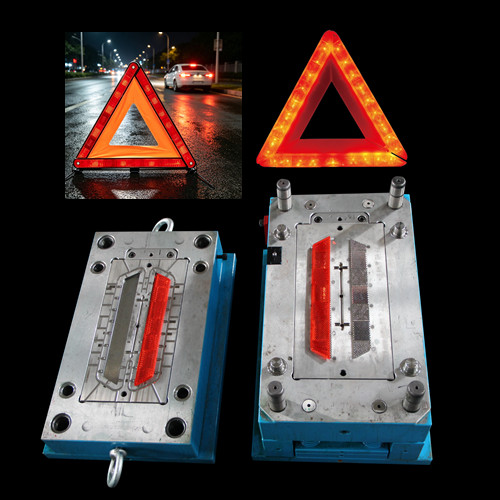
We are a professional mold manufacturer in Huangyan, China, specializing in high-precision injection molds for parking reflex reflectors and warning triangles. Our molds are made with durable steel for long service life, supporting custom designs and stable mass production to meet your automotive accessory manufacturing needs.
Parking reflex refletcor warning triangle mould