A Detailed Guide To Aluminium Die Casting Mould
2024-06-17
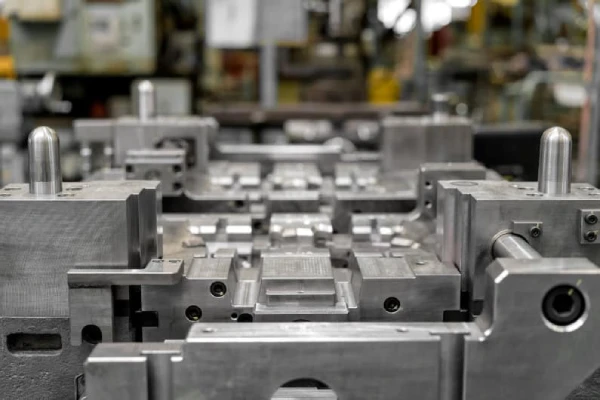
Die cast aluminum molding is a process developed in the United States during the mid 19th century, where molten metal or alloy is injected at high pressure into a metal mold. Once the metal solidifies, the mold is opened, and the die cast aluminum piece is extracted. And for this die moulding process, a die casting mould is indispensable.
The die casting permanent mold used for die casting is made of steel and consists of two halves to facilitate the removal of the cast part. The materials used for the mold components are always metals with higher melting points than the injected material, such as aluminum.
The injection pressure of the molten material can vary depending on the weight of the desired piece and the type of material used. It is crucial to maintain constant pressure throughout the process until the workpiece solidifies. Hydraulic presses ensure the mold remains perfectly and completely closed during this time. Once the piece has solidified, the presses allow the mold halves to open so the die cast part can be extracted.

What is Die Casting?
Die casting is the most popular process for casting aluminum parts, particularly through high pressure die casting, which is more suitable for the material compared to low pressure die casting.
The process involves preheating aluminum and injecting it under high pressure into a die mold designed for the intended product. Once the aluminum cools and solidifies, the cast part is removed from the mold. The cycle is then repeated after the mold cools down.
One of the key advantages of die casting is that the resulting aluminum parts have excellent electrical and thermal conductivity. Additionally, these parts are strong and resistant to corrosion, wear, and heat.
Aluminum die casting is a non expendable technique that can be repeatedly used to produce aluminum alloy parts in various shapes, sizes, and thicknesses. This process creates lightweight components, maintains high operating temperatures, and offers excellent corrosion resistance, making it suitable for various industrial applications.
Types of Die Casting:
Hot Chamber Die Casting: This type is used for metals with low melting points, such as zinc, magnesium, and lead. The metal is melted in a chamber attached to the machine, and a plunger forces the molten metal into the mold.
Cold Chamber Die Casting: Suitable for metals with high melting points, like aluminum and copper. The metal is melted in a separate furnace and then transported to the casting machine where it is injected into the mold.
Process of Die Casting Aluminium Molding
The die casting aluminum molding process is automated and computerized, making it highly productive. Continuous control of the casting process ensures the highest possible quality of die cast parts and maximizes production efficiency.
Modern equipment and machinery have reached high technological and quality standards, allowing die casting to achieve better minimum dimensional tolerances and surface finishes compared to other foundry processes.
With advanced die casting systems for aluminum and zinc alloys, featuring capacities from 100 to 1400 tonnes, Italpres can manufacture high tech items ranging from 4 grams to 15 kilograms. These systems accommodate small, medium, and large scale production runs.
Mold Preparation: The mold, typically made of high-grade steel, is prepared and coated with a lubricant to facilitate the removal of the cast part and to regulate the mold's temperature.
Injection: Molten metal, usually an alloy of aluminum, zinc, magnesium, or copper, is injected into the mold cavity at high pressure. The high pressure ensures the metal fills the mold completely, capturing intricate details and producing a high-quality finish.
Solidification: The molten metal is held under pressure until it solidifies. The cooling time depends on the type of metal and the complexity of the part being produced.
Ejection: Once the metal has solidified, the mold is opened, and the cast part is ejected. This is usually done using ejector pins that push the part out of the mold cavity.
Trimming: Excess material, known as flash, is removed from the cast part. This can be done manually or using automated trimming machines.
What are the Advantages of Aluminum Die Casting?
One of the most significant benefits of aluminum die casting is the production of lighter parts with a wider range of surface finishing options compared to other die cast alloys, including aluminum anodizing. Additional advantages of aluminum die casting include:
Production of large and complex parts
High strength components
Excellent surface finish and accuracy
High production rates
Low labor costs
Capability to operate at high temperatures
Outstanding corrosion resistance
Lightweight parts
Good stiffness and strength to weight ratio
Superior EMI and RFI shielding properties
Excellent thermal conductivity
High electrical conductivity
Good finishing characteristics
Full recyclability
What Aluminum Alloys are Used for Die Casting?
Aluminum alloys are ideal for a wide range of products due to their unique qualities. Alloy 380.0 Aluminum is the most used alloy for die casting, and it has been found to meet a wide variety of customer needs. SKS can also cast Aluminum Alloys 360, 390 and 413. Our custom aluminum alloy material options include:
380
360
390
413
Aluminum can also withstand the highest operating temperatures of all the die cast alloys. Moreover, cast aluminum is versatile and corrosion resistant; it retains high dimensional stability with thin walls and can be used in almost any industry.
What is Aluminum Die Casting Used For?
Due to its high strength and production rates, aluminum die casting is used for applications that span various industries, including automotive, aerospace, consumer electronics, and industrial equipment, to manufacture components like engine blocks, gearbox housings, and structural parts.
Aluminium die casting mould maker Younger Mould boasts years of mold manufacturing experience and industry knowledge. Committed to providing high quality, efficient injection mold solutions for automotive manufacturers, Younger Mould serves as a reliable partner in the automotive industry.
Younger Mould's die casting mould design products have earned a good reputation and position in the industry, gaining the trust and praise of numerous customers. If you are interested in our products, please leave your contact information, and we will provide you with favorable quotations and meticulous services.
5 Things You Need to Know About Plastic Injection Molding
Maintenance And Repair of Auto Lamp Mould
Related Article

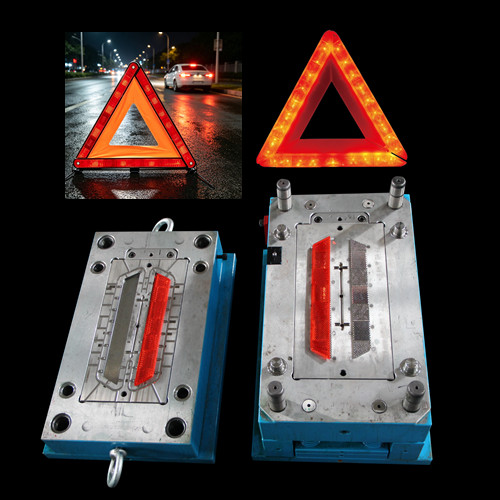
We are a professional mold manufacturer in Huangyan, China, specializing in high-precision injection molds for parking reflex reflectors and warning triangles. Our molds are made with durable steel for long service life, supporting custom designs and stable mass production to meet your automotive accessory manufacturing needs.
Parking reflex refletcor warning triangle mould