Are Optic Molds For Projector Lens Good
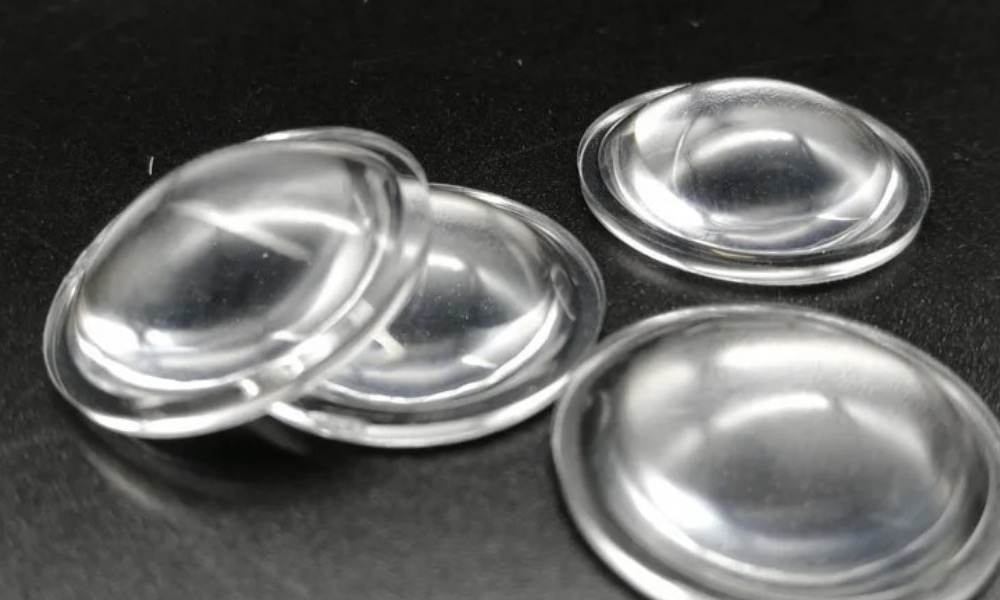
Optic molds have revolutionized the manufacturing of projector lenses, enabling precision engineering and high quality optical performance. A mold for projector lens is the foundation of creating lenses used in various applications, from multimedia projectors to advanced automotive lighting systems.
What Are Optic Molds for Projector Lens?
Optic molds are specialized tools used in injection molding to produce lenses for projector systems. These molds are designed to create highly precise and intricate optical components, ensuring accurate light transmission, minimal distortion, and enhanced durability.
A mold for projector lens must meet stringent optical and dimensional requirements to ensure the lens's performance aligns with its intended purpose. From controlling light dispersion to reducing chromatic aberration, optic molds play a pivotal role in determining the quality of the final lens.
Features of Optic Molds for Projector Lens
1. High Precision
Optic molds are manufactured with extreme accuracy, often achieving tolerances in the micrometer range. This precision is essential for creating lenses that deliver sharp and clear projections.
2. Surface Quality
The surface finish of an optic mold is critical for minimizing optical losses. Highly polished molds ensure that the resulting lenses have excellent clarity and minimal surface defects.
3. Thermal Stability
Materials used for optic molds, such as hardened steel or advanced alloys, are designed to withstand high temperatures and pressures during the injection molding process.
4. Customization
Optic mold for projector lens can be customized to produce lenses with specific focal lengths, curvature, and optical coatings, catering to various industries and applications.
Applications of Optic Molds for Projector Lens
1. Multimedia Projectors
Lenses used in home theaters, classrooms, and professional presentations require precise manufacturing to ensure clear image projection. Optic molds create lenses with the exact curvature and clarity needed for these devices.
2. Automotive Lighting Systems
Advanced automotive lighting, such as adaptive headlamps and projection-based taillights, relies on mold for projector lens technology to create optical components that direct and focus light effectively.
3. Medical Devices
Projector lenses are also used in medical imaging devices, such as endoscopes and diagnostic systems, where precision and clarity are crucial.
4. Industrial Applications
Industrial projectors for machining, laser cutting, and quality control systems benefit from high precision lenses produced using optic molds.
Understanding Bi-layer Projector Lens Mold
A bi-layer projector lens mold is an advanced type of optic mold designed to produce lenses with two distinct layers. This mold for projector lens technique allows manufacturers to combine different materials or integrate functional coatings directly into the lens during production.
Key Features of Bi-layer Projector Lens Mold:
Material Versatility:
The bi-layer process enables the integration of materials with different optical properties, such as combining a high refractive index core with a scratch resistant outer layer.
Improved Light Transmission:
By using multiple layers, mold for projector lens manufacturers can achieve better light transmission, reduced reflection, and enhanced contrast in projector lenses.
Cost Efficiency:
The bi-layer process eliminates the need for post production coatings, reducing manufacturing costs and time.
Durability:
The outer layer can be designed to withstand environmental factors, such as UV exposure or physical impact, ensuring a longer lifespan for the lens.
bi-layer Optic Molds for Projector Lens
The bi-layer optic mold is a cutting edge innovation in projector lens manufacturing. Unlike traditional single layer or bi-layer mold for projector lens, the bi-layer approach introduces an intermediate layer between the core and outer layers.
How bi-layer Optic Molds Work:
The bi-layer process involves creating a lens with three distinct layers:
Core Layer: Provides the primary optical properties.
Intermediate (bi-layer): Enhances light diffusion or adds specific optical features, such as anti reflective properties.
Outer Layer: Protects the lens and improves durability.
Advantages of bi-layer Optic Molds:
Superior Optical Performance:
The intermediate layer enhances light transmission and reduces unwanted reflections, resulting in sharper and more vibrant projections.
Versatile Applications:
Bi-layer lenses are ideal for high-performance applications, such as 4K and 8K projectors, where precision and clarity are paramount.
Enhanced Durability:
The bi-layer adds an extra layer of protection against environmental and mechanical stress.
Customization:
The bi-layer can be tailored to include functional properties, such as UV blocking, infrared filtering, or holographic effects.
Applications of bi-layer Optic Molds:
Cinema Projectors:
High end cinema projectors require lenses with exceptional clarity and minimal distortion. bi-layer optic molds ensure these lenses meet the highest standards.
Automotive Projection Systems:
Adaptive driving beam systems and projection-based HUDs (Heads-Up Displays) benefit from the enhanced optical performance of bi-layer lenses.
Scientific Instruments:
Lenses used in telescopes, microscopes, and other optical instruments leverage bi-layer technology for precision imaging.
Challenges in Manufacturing Optic Molds for Projector Lens
While optic molds offer numerous advantages, their production involves overcoming several challenges:
High Precision Requirements
Achieving the micrometer-level precision needed for optical components requires advanced machinery and skilled engineers.
Material Compatibility
Selecting materials that meet both optical and mechanical requirements can be complex, particularly for multi-layer molds.
Cost of Production
The initial investment in designing and manufacturing optic molds is high, though the long term benefits often outweigh the costs.
Maintenance and Longevity
Optic molds must be regularly maintained to ensure consistent performance and avoid defects in the lenses.
Are Optic Molds for Projector Lens Good?
The short answer is yes—optic molds for projector lenses are highly effective tools for producing high quality optical components. Whether for bi-layer or bi-layer lenses, these molds enable manufacturers to achieve unparalleled precision and performance.
Benefits of Optic Molds for Projector Lens:
High precision and clarity.
Ability to integrate multiple materials or coatings.
Cost effective mass production.
Versatility for various applications, from multimedia projectors to advanced automotive systems.
By leveraging advanced molding techniques, such as bi-layer projector lens mold and bi-layer optic molds, manufacturers can meet the growing demand for high-performance lenses in diverse industries.
Optic molds have transformed the way projector lenses are manufactured, enabling precise and cost effective production of high quality optical components. From bi-layer projector lens mold to the innovative bi-layer approach, these molds cater to a wide range of applications, delivering exceptional performance and durability.
Whether you're in the business of manufacturing projector lenses or simply curious about the technology behind them, it's clear that mold for projector lens designs are an indispensable part of modern optical engineering. By adopting advanced optic molds, manufacturers can continue to push the boundaries of innovation and deliver lenses that meet the ever evolving needs of consumers and industries alike.
Younger Mould is a renowned bbi-layer projector lens mold manufacturer in China, recognized for its outstanding reputation and trusted position in the industry. We have earned the trust and praise of countless customers through our commitment to quality and innovation. If you're interested in our optic molds, including specialized mold for projector lens, feel free to leave your contact information. Our team will provide you with competitive quotations and exceptional service tailored to your needs.
Why Choose Reflector Reflex Mould For Motorcycle?
Is The Mold For Automotive Tail Light Easy To Make?
Related Article