


Bicycle Spoke Reflector Mold
Manufacturing Process of Reflector Molds
(1) Material Selection
Mold Base: Pre-hardened steel (e.g., P20, 718) or aluminum for prototyping.
Cavity/Insert Material: High-polish stainless steel (e.g., S136) or hardened tool steel (e.g., H13) for wear resistance.
Reflector Material: Typically PMMA (acrylic) or polycarbonate (PC) for optical clarity and weatherability.
(2) Mold Design Key Points
Micro-Pattern Engraving: Laser/CNC machining to create retroreflective structures (e.g., corner cube arrays).
Venting System: Prevents air traps in thin-walled reflector sections.
Cooling Channels: Ensures uniform cooling to avoid warping.
(3) Production Process
CNC Machining: Roughing and finishing of mold cores/cavities.
EDM (Electrical Discharge Machining): For intricate micro-patterns.
Polishing: Mirror finish (Ra ≤ 0.01μm) to ensure light reflection efficiency.
Assembly & Testing: Trial runs with optical validation (e.g., reflectivity testing).
(4) Injection Molding
Process Parameters:
Melt Temp: 220–260°C (PMMA) / 280–320°C (PC)
Injection Pressure: 80–120 MPa
Cycle Time: 15–30 seconds (varies with size)
- Post-Processing:
Coating (optional): UV-protective or anti-scratch layers.
Quality Control: Inspect for bubbles, streaks, or distortion.
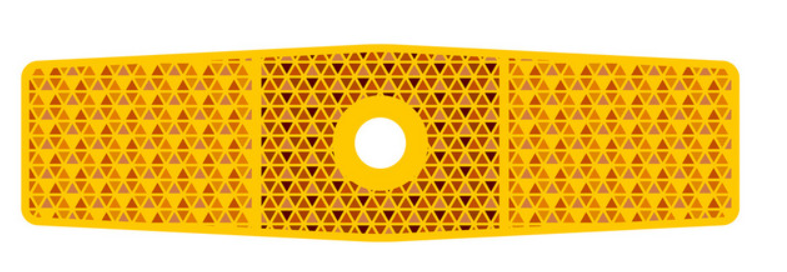
3D drawing of bike reflector reflex mould:
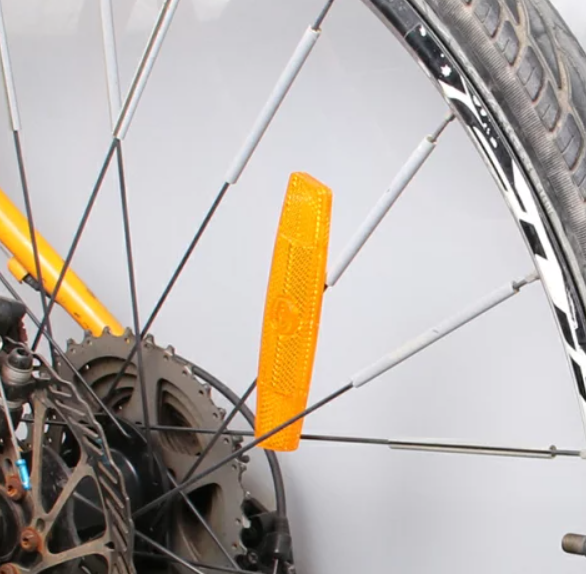
Where to use bicycle spoke reflector mold:
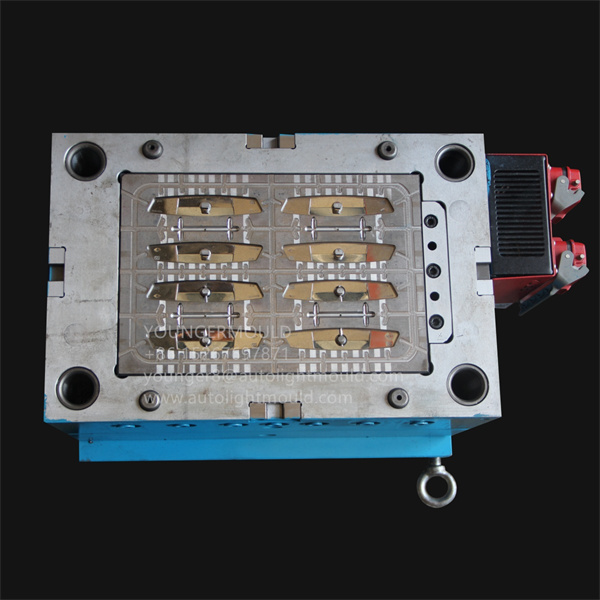
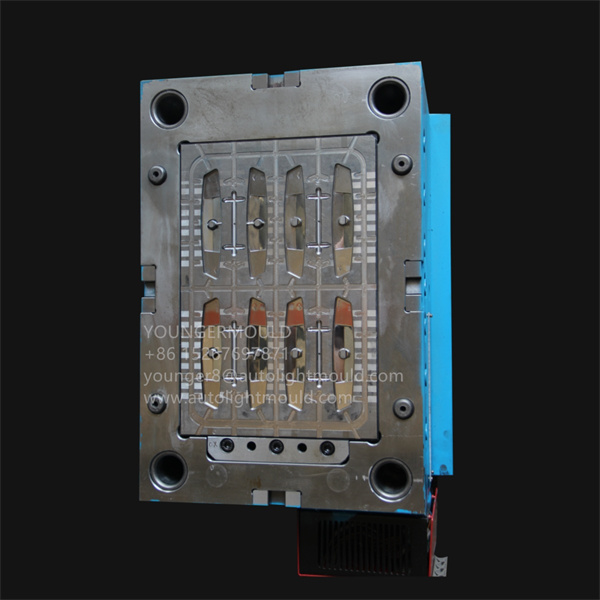
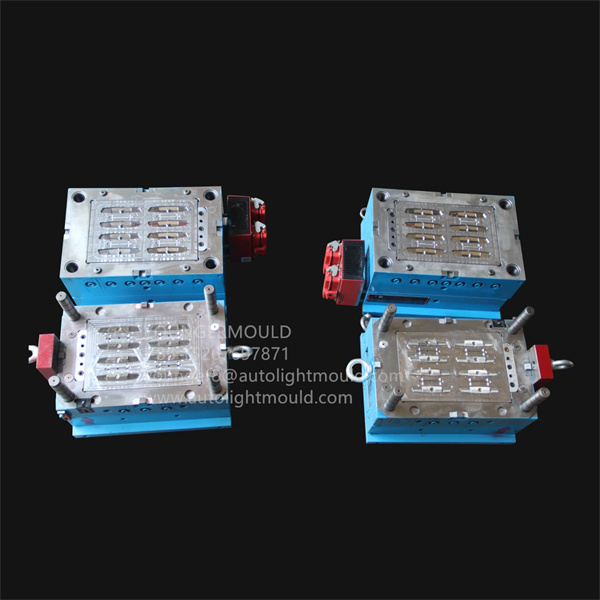
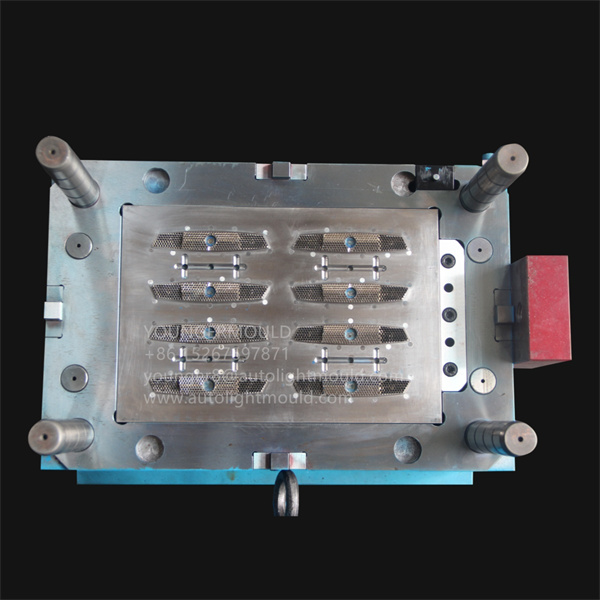
Bicycle spoke reflector mold pictures:


+86 15267697871

younger8@autolightmould.com
