What Is the Difference Between a Mold for Lighting?
In modern manufacturing, molds are the foundation of precision production. Whether you're crafting headlight housings, tail lamps, or intricate internal components, the right mold design ensures accuracy, durability, and consistent product quality. Yet, many people wonder: what exactly differentiates a mold for lighting, a mold for automotive, and a mold for motorcycle?
These molds may seem similar, but each serves a unique purpose, requiring distinct materials, design approaches, and production techniques.
Chapter 1: What Is a Mold for Lighting and What Makes It Special?
1.1 Definition and Core Function
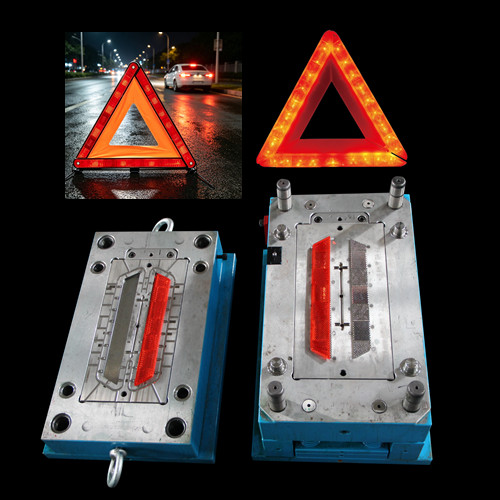
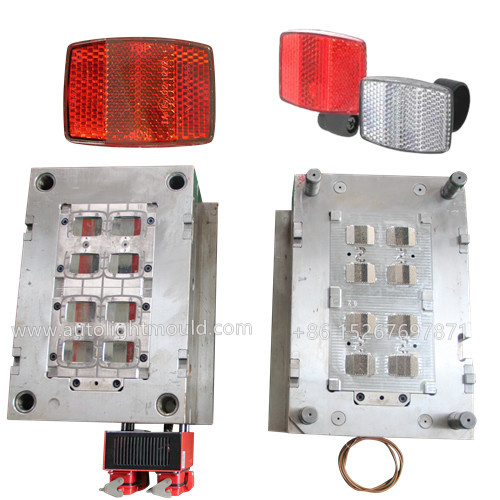
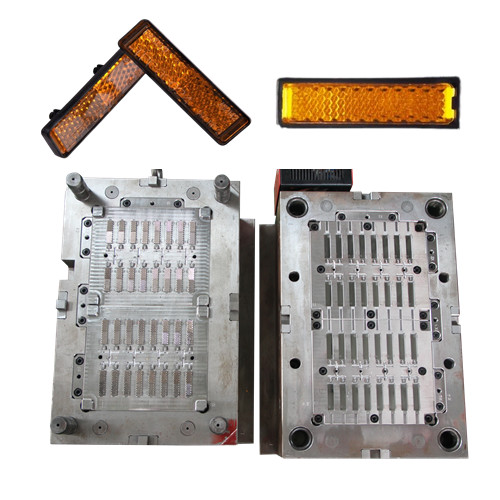
A mold for lighting is a precision-engineered tool used to produce light housings, lenses, and reflectors for automotive, motorcycle, or industrial lighting systems. These molds must achieve exceptional clarity, surface smoothness, and dimensional accuracy — since even tiny imperfections can affect the brightness and beam direction of the finished product.
Lighting molds are typically made from high-quality steel and use advanced machining techniques such as EDM (Electrical Discharge Machining) and high-speed CNC milling.
1.2 Key Design Considerations
Optical Precision: Lighting components often have complex geometries and clear materials, requiring mirror-polished cavities and optical-grade finishes.
Heat Resistance: The mold must handle materials like polycarbonate (PC) or PMMA, which are sensitive to temperature changes.
Durability: Lighting molds are used repeatedly, so they must maintain accuracy over thousands of cycles.
1.3 Common Applications
Automotive headlights and tail lights
Motorcycle front and rear lamps
Industrial or decorative lighting housings
Younger Mould, with its deep expertise in precision tooling, designs each mold for lighting with a focus on optical performance, long lifespan, and efficient production. Their high-end machining capabilities ensure exceptional surface quality that meets international automotive lighting standards.
Chapter 2: How Does a Mold for Automotive Differ from Other Types?
2.1 Understanding Automotive Molds
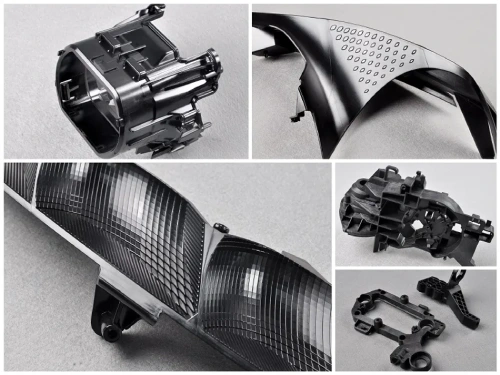
A mold for automotive covers a wide range of components — from exterior body panels to interior trim parts, bumpers, and lighting modules. These molds must balance structural strength, dimensional stability, and aesthetics.
Because automotive parts often integrate multiple materials and design elements, molds must meet strict OEM (Original Equipment Manufacturer) requirements, especially in terms of precision and repeatability.
2.2 Material and Process Requirements
Automotive molds usually use hardened steel materials such as P20, H13, or S136, which ensure long mold life and consistent product quality. The injection process may involve high pressures and temperatures, requiring robust mold design with efficient cooling systems.
Typical automotive molding materials include:
ABS for dashboards and trims
PP for bumpers and panels
PC/ABS blends for headlight housings
2.3 Advanced Technologies in Automotive Mold Design
Modern automotive molds often incorporate:
Gas-assisted injection to reduce sink marks and warping
Multi-cavity layouts for higher production efficiency
Automatic ejection systems to speed up production cycles
Younger Mould applies these innovations to deliver superior molds for automotive that satisfy both functionality and aesthetics. Their advanced cooling system design and precision machining allow faster cycle times and lower maintenance costs, making them a reliable partner for global automotive manufacturers.
Chapter 3: What Makes a Mold for Motorcycle Unique?
3.1 The Nature of Motorcycle Components
A mold for motorcycle focuses mainly on parts such as headlights, tail lamps, fairings, and decorative panels. Compared to automotive components, motorcycle parts are smaller, more stylized, and often more exposed, requiring fine detailing and surface finishing.
Because motorcycles have limited space for lighting assemblies, the mold design must be compact, efficient, and capable of producing lightweight yet durable plastic parts.
3.2 Technical Features of Motorcycle Molds
Compact Mold Design: Motorcycle lighting molds often feature tight tolerances and small injection volumes.
Enhanced Venting Systems: To prevent air traps in transparent parts.
High Polish Finish: Ensures clarity and reflection quality in headlight lenses.
3.3 Common Motorcycle Mold Applications
Front and rear lamp housings
Signal indicator covers
Decorative light panels
Younger Mould specializes in mold for motorcycle components, particularly in motorcycle headlight molds. Their design team optimizes the mold structure for high efficiency and low deformation rates, ensuring each finished product meets both functional and aesthetic expectations.
Chapter 4: Why Choose Younger Mould for Lighting, Automotive, and Motorcycle Mold Solutions?
4.1 Expertise and Experience
With decades of experience, Younger Mould has become a trusted supplier of high-precision molds for automotive and motorcycle lighting components. Their factory is equipped with advanced CNC machining centers, EDM machines, and coordinate measuring systems to ensure precision at every production stage.
4.2 Tailored Mold Design and Engineering Support
Each mold is designed with the client's specific requirements in mind — from product concept to final part testing. Younger Mould provides full engineering support, including 3D modeling, mold flow analysis, and rapid prototyping. This ensures that each mold for lighting, mold for automotive, or mold for motorcycle perfectly matches the customer's production needs.
4.3 Strict Quality Control
Younger Mould implements a rigorous quality management system that covers every phase of production. Each mold undergoes dimensional verification, material testing, and trial runs before delivery. This attention to detail guarantees excellent performance and long mold lifespan.
4.4 Global Recognition and Customer Trust
The company's mold for motorcycle headlight and automotive lighting mold projects have been exported worldwide, earning the trust of leading manufacturers in Asia, Europe, and South America. Younger Mould's commitment to precision and innovation continues to set new standards in the mold-making industry.
4.5 Sustainable and Efficient Manufacturing
Beyond quality and precision, Younger Mould focuses on sustainability by optimizing material usage, improving cooling efficiency, and reducing cycle times. This results in lower energy consumption and environmentally responsible manufacturing practices — an increasingly important factor for global clients.
FAQ
Q1: What is the main difference between a mold for lighting and a mold for automotive?
A mold for lighting focuses on optical precision and transparency, while a mold for automotive covers a broader range of parts requiring strength and dimensional stability.
Q2: Are molds for motorcycle headlights different from car lighting molds?
Yes. Motorcycle headlight molds are generally more compact, with tighter tolerance and smaller injection volumes, but require equally high optical quality.
Q3: Can one mold be used for both automotive and motorcycle parts?
Typically not. Each mold is customized for the specific product geometry and functional requirements, ensuring proper fit and material flow.
Q4: What materials are commonly used in lighting molds?
Lighting molds often use PC or PMMA for lenses and ABS or PP for housings. The mold itself is made of hardened steel like S136 or H13 to withstand high temperatures.
Q5: Why should I choose Younger Mould?
Younger Mould combines precision engineering, high-quality steel materials, advanced processing technology, and strict inspection to deliver world-class molds for lighting, automotive, and motorcycle applications.
Understanding the difference between a mold for lighting, a mold for automotive, and a mold for motorcycle helps manufacturers choose the right tooling for their production goals. Each type of mold demands distinct technical expertise — from optical precision to structural stability.
Younger Mould, with its proven capabilities in high-precision tooling, advanced engineering, and global experience, stands out as a reliable partner for industries seeking durable and efficient mold solutions. Whether you need a mold for automotive lighting, a mold for motorcycle headlamp, or a mold for lighting components, Younger Mould delivers performance, precision, and lasting value.
Younger Mould is a premier mold for lighting manufacturer in China, dedicated to delivering high precision mold for automotive & motorcycle solutions. Renowned for innovation, accuracy, and dependable performance, we offer fully customized mold services tailored to the unique requirements of international clients. Backed by a skilled engineering team and cutting edge technology, every mould we produce ensures exceptional dimensional accuracy, consistent output, and rapid lead times—empowering manufacturers to optimize efficiency while maintaining uncompromising quality.
How to Remove Mold from Headlights?
Can Optic Lens Be Injection Molded?
Related Article