Difference Between Die Casting And Injection Moulding
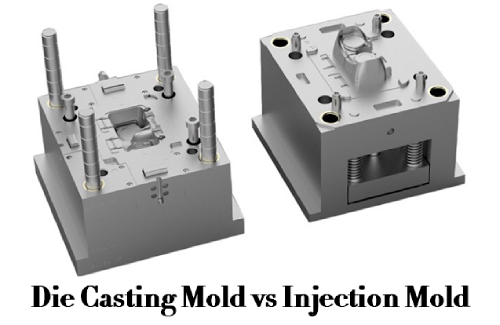
Choosing the right production method has become essential for creating reliable, high performance components, two stand out for their widespread use across automotive, motorcycle, lighting, and consumer product industries: die casting and injection moulding. Although they may seem similar at first glance, the difference between die casting and injection moulding extends far beyond material choice.
What Is the Difference Between Die Casting and Injection Moulding at the Material Level?
Material Types and Their Impact on Manufacturing
To understand the difference between die casting and injection moulding, the first step is recognizing how each method uses different materials. Die casting relies on molten metals such as aluminum, magnesium, zinc alloys, or more specialized metal mixtures. These metals are melted at high temperatures and then injected into strong steel molds.
Injection moulding, in contrast, uses polymers—thermoplastics, thermosetting plastics, or elastomers. These are heated until soft but typically not fully liquified like metal. The molten plastic is then pushed into cavities within the mould.
Thermal Requirements and Energy Demands
Metal casting requires extreme heat, particularly when working with aluminum or magnesium. The melting temperature is much higher than any plastic material, meaning die casting demands more energy and more robust mould structures. This also increases the strength requirements of the injection die casting mold, which must withstand intense thermal and mechanical forces.
Mould Characteristics for Different Materials
Because die casting uses metal, the mould cavity must be able to handle repeated cycles of high-pressure, high-temperature metal injection. In contrast, injection moulding moulds focus on fine detail, cooling efficiency, and smooth polymer flow.
Why Is Die Casting vs Injection Moulding Used for Different Product Types?
Strength and Mechanical Performance Requirements
When companies choose between die casting vs injection moulding, mechanical demands are often the deciding factor.
Die casting produces parts with extremely high tensile strength, rigidity, and durability.
Injection moulding creates lightweight yet strong components suitable for structural plastics, casing components, and functional engineering parts.
This is why die casting is widely used for engine parts, motorcycle headlight heat sinks, and other metal hardware, while injection moulding covers dashboards, reflectors, exterior trims, and internal plastic housings.
Precision and Surface Quality
Plastic injection moulding allows for incredible detail, smooth finishes, and complex geometries. This makes it a preferred method for automotive lighting components where reflector curvature and thickness accuracy are essential.
Die casting also offers precision, but metals behave differently under pressure—they cool faster, sometimes requiring post-processing for perfection.
Part Weight and Cost Considerations
The difference between injection moulding and die casting is also reflected in cost and weight:
Die cast parts are heavier and usually more expensive due to material cost and tooling complexity.
Injection moulded parts are lighter, lower in cost, and easier to scale.
However, die casting is the clear choice when metal strength is required.
Production Volume and Cycle Times
Injection moulding is generally faster because plastics cool and solidify quickly when optimized with good mould design.
Die casting cooling time is longer, especially with thicker metal parts. Still, die casting offers excellent repeatability for high-volume metal component production.
Industry Application Examples
Die casting: motorcycle heat sinks, engine covers, aluminum housings, structural frames
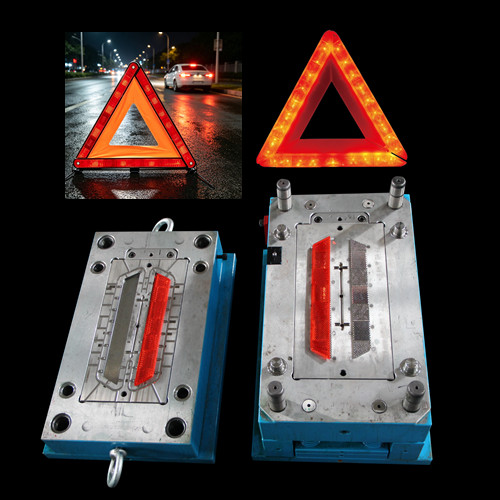
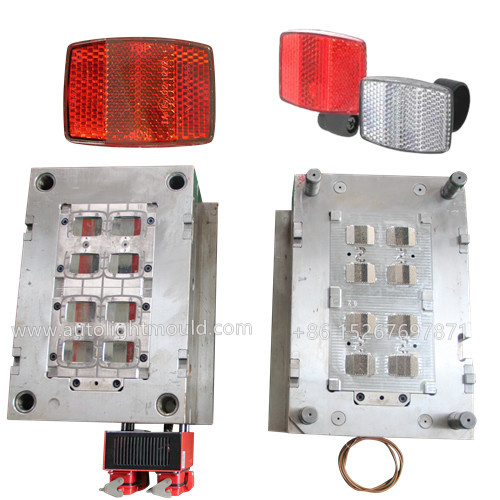
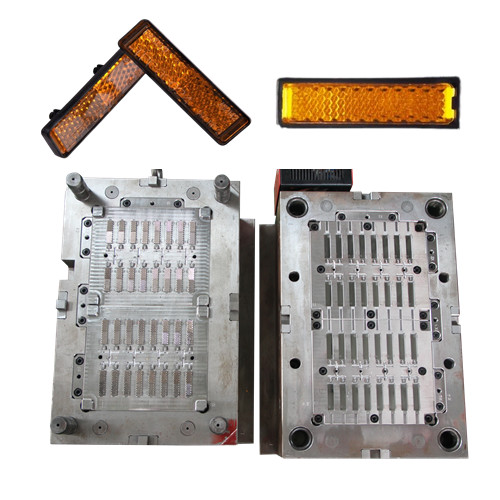
Injection moulding: tail light moulds, reflector housings, dashboards, bumpers, interior fittings
How Do Die Casting and Injection Moulding Differ in Process Design and Manufacturing Workflow?
Injection Process and Mold Workflow
In the injection moulding process, molten plastic is fed into the mould through a high-pressure system. The mould is cooled quickly to solidify the part, after which ejector pins push the finished component out. The cycle repeats, making this method ideal for high-speed production.
The moulds for injection moulding must focus on:
uniform polymer flow
cooling channel design
fine surface texture
exact-fit cavity shapes
controlled venting
Younger Mould specializes in automotive injection moulds where design precision must be extremely strict due to optical and functional standards.
Die Casting Process and Mold Workflow
Die casting involves melting metal, then injecting it into a robust steel die under high pressure. The mould experiences both high heat and strong mechanical force, so the injection die casting mold must be thick, hardened, and highly heat-resistant.
Key die casting mould features include:
Heavy duty gating and runner system
Heat resistant cavity surfaces
controlled cooling to avoid warping
venting optimized for molten metal flow
thermal balance engineering
Younger Mould's heat sink moulds demonstrate these requirements, especially for motorcycle headlights where heat dissipation is critical.
Surface Finish and Post Processing
Plastic parts usually require minimal finishing unless polished or painted surfaces are needed. Metal die-cast parts often require deburring, machining, anodizing, or powder coating depending on final use.
Tolerance and Dimensional Stability
Die casting supports tight tolerances but may require additional machining. Injection moulding delivers consistent dimensions due to temperature control and cavity precision.
This is one of the core reasons the difference between die casting and injection moulding matters significantly when engineers define functional requirements.
Tool Longevity and Maintenance
Die casting moulds wear faster from repeated exposure to extreme heat. Injection moulding moulds can last longer when maintained properly.
Which Is Better—Die Casting or Injection Moulding?
Choosing Based on Structural Requirements
Choose die casting when:
metal strength is required
the part must endure high loads or high temperatures
corrosion resistance is essential
weight is acceptable
Choose injection moulding when:
lightweight components are needed
high volume production is expected
complex detail or optical precision is required
cost must be optimized
Considering Thermal and Electrical Properties
Die-cast metal parts conduct heat well, making them ideal for heat sinks or housings that require thermal dissipation. Injection moulded parts are electrically insulating and suitable for lighting covers, reflectors, and electronic housings.
Evaluating Cost and Time-to-Market
Injection moulding is often more cost-effective for large-scale plastic components, while die casting is worthwhile when metal performance outweighs material cost.
The Younger Mould Advantage
Younger Mould is a leading manufacturer of both injection moulds and die casting moulds for the automotive and motorcycle industries. Their expertise covers:
motorcycle headlight die casting heat sink moulds
reflector moulds
tail light moulds
automotive lighting component moulds
Custom engineered injection die casting mold solutions
Their engineering team evaluates the product's functional demands, recommends the ideal manufacturing method, and designs moulds that deliver accuracy, reliability, and long operational life.
Delivering Complete Design to Production Solutions
From early concept development to mould design, CNC machining, polishing, testing, and final production, Younger Mould provides a complete one-stop solution for global manufacturers. Their deep understanding of both metal and plastic processing ensures the right balance of performance, cost, and speed-to-market.
FAQ
What is the main difference between die casting and injection moulding?
Die casting uses molten metal injected into metal moulds, while injection moulding uses molten plastic shaped in steel moulds.
Which method is stronger for manufacturing parts?
Die casting produces stronger, more durable parts because metal alloys have higher structural integrity than plastics.
How do I choose between injection moulding and die casting?
Choose based on material needs, strength, weight, cost, and application requirements. Metal parts lean toward die casting, while plastic parts fit injection moulding.
Is an injection die casting mold the same as a plastic mould?
No. Injection die casting molds are built to handle molten metal, while plastic moulds handle polymer materials with lower temperatures.
Is die casting vs injection moulding more expensive?
Die casting is typically more expensive due to material cost, energy requirements, and heavier mould construction.
Does Younger Mould make both types of moulds?
Yes. Younger Mould manufactures high-precision injection moulds and die casting moulds for automotive lighting, motorcycle components, and various industrial applications.
Which method produces more precise details?
Injection moulding often delivers finer detail for intricate plastic parts, while die casting delivers precision in metal parts but may require additional finishing.
Recommended 10 China Die Cast Mold Manufacturers
Is Die Casting Cheaper Than CNC?
Related Article