Differences between Injection Molding vs CNC Machining
2024-08-28
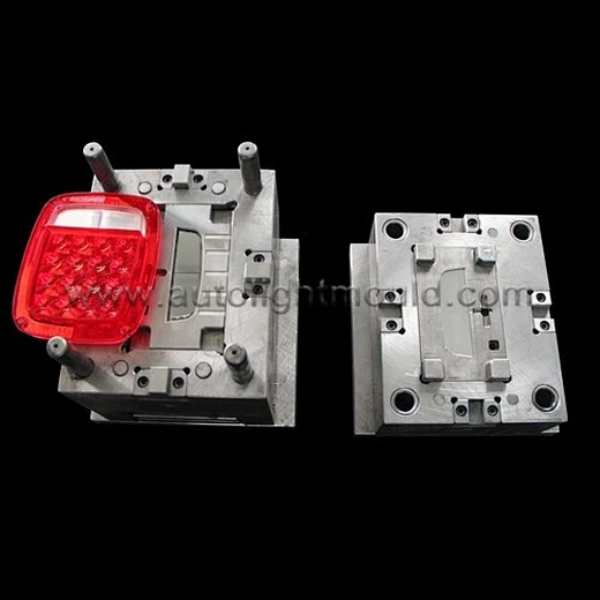
Injection Molding and CNC Machining, although they might seem similar, are based on distinct principles. Injection Molding involves injecting molten material into a mold to create predefined shapes, similar to casting. In contrast, CNC Machining works by removing material through cutting and drilling to achieve the desired shape. These techniques are both crucial in modern manufacturing but are used for different purposes, ranging from consumer products to complex aerospace components. Each method has its own set of advantages and is chosen based on the specific requirements of the project.
What is the Difference Between CNC Machining and Injection Molding?
CNC Machining and Injection Molding differ mainly in their methods of shaping materials. CNC Machining involves removing material through precise cutting techniques to achieve the desired shape. On the other hand, Injection Molding involves injecting molten material into molds to form the desired shape. This core difference influences their strengths, applications, and overall efficiency.
What is CNC Machining?
CNC Machining, short for Computer Numerical Control Machining, is a process where computer software directs the movement of factory tools and machinery. This technique involves cutting material from a solid block to create complex shapes that would be challenging to achieve with manual methods.
Key Components of CNC Machining:
Computer Software: The core of CNC Machining, where the computer numerical control (CNC) software converts design specifications into operational commands.
Cutting Tools: Various tools such as end mills and drills used for material removal.
Workpiece: The block of raw material that is machined into the final product.
How CNC Machining Works: A Step-by-Step Guide
Design Phase: Use CAD (Computer-Aided Design) software to create a detailed design of the component.
Programming: Convert the CAD design into CNC code (G-code) that the machine can understand.
Setup: Configure the CNC machine with the necessary tools and load the material.
Machining: The CNC machine follows the G-code to cut and shape the material according to the design.
Finishing: Perform final touches and inspections to ensure the product meets quality and precision standards.
What is Injection Molding?
Injection Molding is a manufacturing process used to create parts by injecting molten material into a mold, also known as a tool. This technique is employed across various industries to produce everything from small components to large car body panels.
Key Components of Injection Molding:
Mold: The custom-designed cavity that shapes the part.
Injection Unit: Heats and injects the molten material into the mold.
Clamping Unit: Keeps the mold securely closed during the injection process.
How Injection Molding Works: A Step-by-Step Guide
Mold Design: Design a mold that defines the shape of the desired part.
Material Preparation: Heat the selected material until it becomes molten.
Injection: Inject the molten material into the mold cavity.
Cooling: Allow the material to cool and solidify in the shape of the cavity.
Ejection: Remove the solidified part from the mold.
What Are the Advantages and Disadvantages of Each Process?
Understanding the advantages and disadvantages of CNC Machining and Injection Molding is crucial for navigating the complexities of modern manufacturing. Each process has its unique strengths and limitations that make it suitable for different scenarios.
Advantages of CNC Machining Compared to Injection Molding
CNC Machining is renowned for its precision and adaptability, offering several benefits over Injection Molding, particularly in specific manufacturing contexts:
Precision and Customization: CNC Machining excels in producing parts with tight tolerances and intricate designs. It is ideal for applications requiring high precision and custom components.
Material Versatility: Capable of working with a wide range of materials, from rigid metals to flexible plastics, CNC Machining supports diverse applications.
Design Flexibility: Unlike Injection Molding, which necessitates the creation of molds, CNC Machining allows for rapid design modifications without incurring substantial additional costs.
Reduced Lead Time for Prototypes: CNC Machining is well-suited for prototyping due to its quick turnaround and ability to produce high-quality parts without extensive tooling.
High Quality Surface Finish: CNC Machined parts often require less post-processing, delivering a high quality surface finish that is essential for industries such as aerospace and medical devices.
Disadvantages of CNC Machining Compared to Injection Molding
Despite its strengths, CNC Machining has certain limitations, especially when compared to Injection Molding. These drawbacks become more evident in specific manufacturing scenarios:
Cost Effectiveness for High Volumes: CNC Machining is less cost-effective for high-volume production compared to Injection Molding, which can produce large quantities more economically.
Material Waste: The subtractive nature of CNC Machining results in higher material waste, as material is removed to create the part, whereas Injection Molding uses an additive approach with less waste.
Energy Consumption: CNC Machines typically consume more energy per unit of production compared to the more energy-efficient Injection Molding machines, particularly in large-scale manufacturing.
Production Speed for Large Volumes: CNC Machining generally has slower production speeds for large quantities, whereas Injection Molding can produce high volumes at a significantly faster rate.
Limitation in Producing Intricate Internal Features: While CNC Machining excels in complex external geometries, it can face challenges when creating extremely intricate internal features due to limitations in tool access.
Advantages of Injection Molding Compared to CNC Machining
Injection Molding, renowned for its efficiency in producing high volumes of parts, offers several benefits over CNC Machining, particularly in scenarios where large quantities of plastic components are needed:
High Volume Efficiency: Injection Molding excels in producing large quantities of parts quickly and cost effectively, making it ideal for mass production.
Complex Part Production: This process supports the creation of complex geometries and intricate designs that might be challenging or unfeasible with CNC Machining.
Consistency and Reproducibility: Injection Molding delivers consistent quality and appearance across large production runs, ensuring high repeatability.
Reduced Labor Costs: The automation inherent in Injection Molding reduces labor requirements, significantly lowering production costs in large-scale operations.
Material Efficiency: The process generates minimal material waste, as excess material can often be recycled, making it a more sustainable option for manufacturing plastic parts.
Disadvantages of Injection Molding Compared to CNC Machining
Despite its advantages, Injection Molding has some limitations when compared to CNC Machining. Recognizing these drawbacks is crucial for making informed manufacturing decisions:
Upfront Investment: The initial cost for designing and creating injection molds can be high, particularly for custom designs, making Injection Molding less cost-effective for small production runs.
Limited Material Choice: While ideal for plastics and rubber, Injection Molding is less suitable for materials that cannot be heated and injected.
Longer Lead Times for Mold Creation: Designing and fabricating molds can extend the overall production timeline, whereas CNC Machining can start immediately with a design.
Design Restrictions: Injection Molding requires uniform wall thickness and other design constraints to prevent defects, which may limit design flexibility.
Difficulty in Making Design Changes: Modifying an injection mold after it is created can be expensive and time-consuming, unlike the more flexible CNC Machining process.
Younger Mould is one of the most popular China plastic injection mold manufacturers, who has earned a good reputation and position in the industry, gaining the trust and praise of numerous customers. If you are interested in our injection molding automotive products, please leave your contact information, and we will provide you with favorable quotations and meticulous automobile mould services.
14 Comparison Points between Injection Molding vs CNC Machining
What Is The Molding Process In Automotive?
Related Article

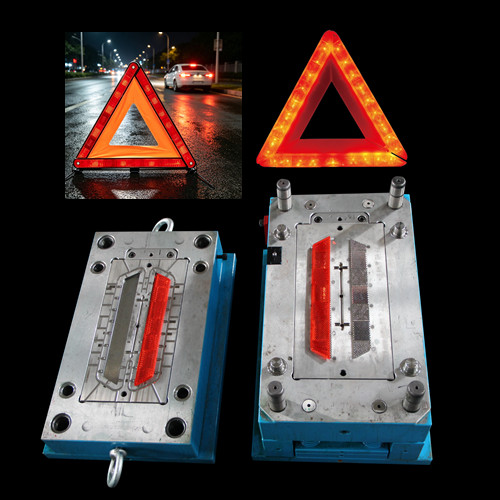
We are a professional mold manufacturer in Huangyan, China, specializing in high-precision injection molds for parking reflex reflectors and warning triangles. Our molds are made with durable steel for long service life, supporting custom designs and stable mass production to meet your automotive accessory manufacturing needs.
Parking reflex refletcor warning triangle mould