Guide to Thermoset Molding
Thermoset molding has long been recognized as a cornerstone technology in manufacturing industries where strength, durability, and heat resistance are non-negotiable. From electrical components to automotive parts, this process continues to evolve with modern engineering solutions. While thermoset molding stands apart for its unique characteristics, it is often used in combination with advanced mold designs such as two colors mold and bi-color light mold, expanding the possibilities for product innovation.
1. Understanding Thermoset Molding in Modern Manufacturing
What Is Thermoset Molding?
Thermoset molding refers to the process of shaping polymers that undergo a permanent chemical change when cured. Unlike thermoplastics, which can be melted and reshaped multiple times, thermoset materials form irreversible bonds once set.
This makes them ideal for applications requiring:
High thermal resistance
Mechanical stability under load
Dimensional accuracy
Long-term durability
Thermoset vs. Thermoplastic: Key Differences
A common question is how thermosets differ from thermoplastics. Thermoplastics are reversible—they soften with heat and solidify when cooled. Thermosets, on the other hand, cure irreversibly. This distinction makes thermoset molding suitable for structural or high-performance applications, such as electrical housings or under-the-hood automotive parts.
Advantages of Thermoset Molding for Industry
Excellent resistance to heat and chemicals
High structural strength-to-weight ratio
Lower cost for high-volume production
Superior dimensional stability over time
2. The Thermoset Molding Process Explained
Compression Molding of Thermosets
One of the most common techniques is compression molding. A pre-measured amount of thermoset material is placed into a heated mold cavity. Pressure and heat are applied until the chemical cross-linking reaction occurs. This process is widely used for electrical insulators, appliance components, and industrial housings.
Transfer Molding and Its Applications
Transfer molding offers more precision. In this method, the material is preheated in a chamber and then forced into a mold cavity. This allows for greater control and is often used in electronics manufacturing.
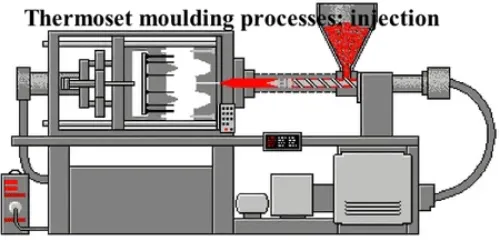
Injection Molding with Thermoset Materials
Though injection molding is typically associated with thermoplastics, it can also be adapted for thermosets. Specialized molds and machines are required since the curing reaction must be carefully managed.
Mold Design Considerations for Thermoset Materials
The design of molds plays a crucial role in thermoset processing. Manufacturers such as Younger Mould focus on developing specialized solutions including two colors mold and bi-color light mold to meet complex design requirements.
3. Advanced Mold Technologies: Two Colors Mold and Bi-Color Light Mold
What Is a Two Colors Mold?
A two colors mold—sometimes referred to as double-shot molding—allows two different materials or two colors of the same material to be molded together in one cycle. In industries where aesthetics and functionality are equally important, this method is invaluable.
Applications include:
Consumer electronics casings
Kitchen appliances with ergonomic grips
Automotive interior panels
By integrating two materials in a single mold, manufacturers reduce assembly time while enhancing product design.
The Role of Bi-Color Light Molds in Automotive and Electronics
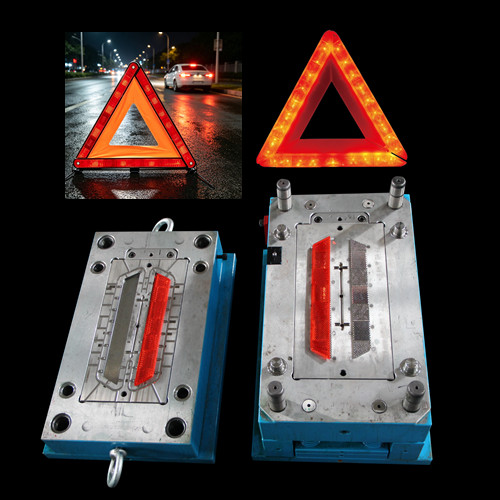
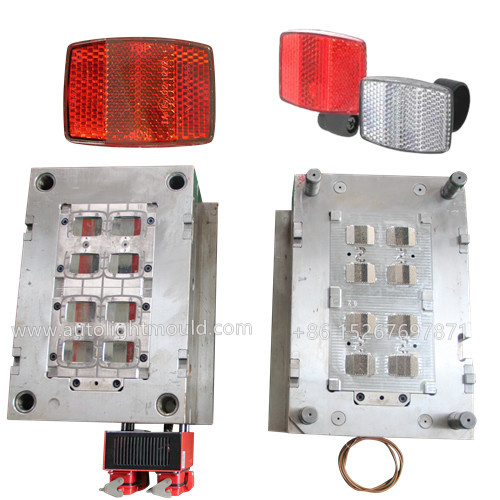
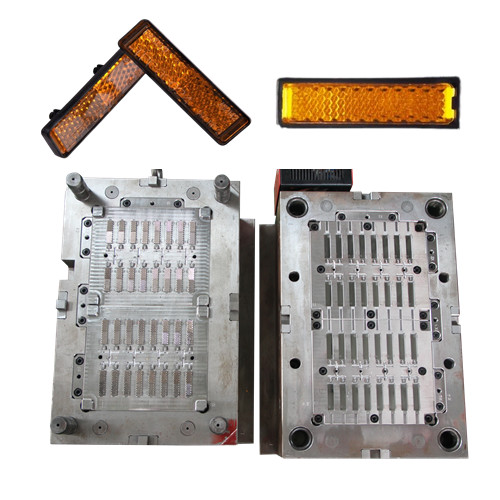
Bi-color light mold technology is commonly used in the production of tail lamps, indicator lights, and LED housings. The ability to mold two different transparent or translucent materials provides not only functional separation (e.g., brake light vs. turn signal) but also modern design aesthetics.
With growing demand for advanced automotive lighting, bi-color light mold solutions continue to gain relevance.
Combining Thermoset Molding with Multi-Color Mold Designs
While thermosets are traditionally used for structural integrity and heat resistance, they can also be integrated with two colors mold or bi-color light mold for hybrid solutions. This is particularly true in electronics and automotive applications, where different materials must function together seamlessly.
4. Applications of Thermoset Molding Across Industries
Thermoset Molding in Automotive Engineering
Thermoset components are widely used in the automotive sector due to their ability to withstand heat, vibration, and chemical exposure. Examples include:
Engine components
Brake system parts
Headlight housings (in combination with bi-color light mold designs)
Electrical and Electronics Industry
Thermoset molding provides excellent electrical insulation. From circuit breaker housings to connectors, these components rely on the non-conductive properties of thermosets.
Consumer Products and Appliances
Many everyday items, from handles of kitchen appliances to protective casings, are made with thermoset materials. When combined with two colors mold, manufacturers can enhance both ergonomics and aesthetics.
Aerospace and Industrial Equipment
In demanding environments such as aerospace, thermosets provide lightweight but strong solutions. Their ability to maintain performance under thermal stress is critical.
5. Future Trends in Thermoset Molding and Mold Design
Integration of Sustainability with Thermoset Materials
One challenge of thermosets is recyclability, since the cross-linked structure cannot be remelted. However, research is ongoing into eco-friendly formulations that balance performance with sustainability.
Digital Simulation in Thermoset Mold Design
Advanced CAD and simulation tools allow mold manufacturers like Younger Mould to design highly efficient systems, minimizing waste and ensuring precision in processes like bi-color light mold development.
Growing Demand for Two Colors Mold Solutions
As consumer markets demand more visually appealing and multifunctional products, the role of two colors mold technology will only increase. Thermoset materials can be strategically combined with colored thermoplastics to create hybrid solutions.
Bi-Color Lighting and Smart Mobility
With the rise of electric vehicles and smart lighting systems, bi-color light mold technology is expected to expand further. From energy-efficient tail lights to adaptive lighting in electronics, the applications are multiplying.
Why Thermoset Molding Remains Essential
Thermoset molding remains a critical process in modern manufacturing due to its unique combination of durability, heat resistance, and dimensional stability. When combined with innovations such as two colors mold and bi-color light mold, manufacturers gain the ability to produce components that are not only strong but also visually appealing and multifunctional.
As industries such as automotive, electronics, and aerospace continue to evolve, companies like Younger Mould play a pivotal role in developing advanced mold solutions that integrate thermoset materials with cutting-edge design techniques.
In the end, thermoset molding is not just about shaping materials—it's about shaping the future of modern engineering.
Younger Mould is a trusted name in China's rthermoset molding sector, recognized worldwide for our commitment to quality, innovation, and consistent reliability. As an industry leader, we specialize in delivering precision engineered two colors mold services, supporting clients with customized solutions designed to meet a wide range of project specifications—without compromising on speed or accuracy.
We pride ourselves on combining advanced manufacturing technologies with cost effective processes to offer high performance results at competitive rates. If you're looking for efficient bi-color light mold solutions, simply share your contact details with us. Our expert team will reach out promptly to discuss your project requirements and help bring your ideas to life.
What Is A Motorcycle Headlight Mold?
Precision Engineering for Motorbike Parts Mould
Related Article