How Is Rapid Prototyping Used In The Automotive Industry?
2024-11-27
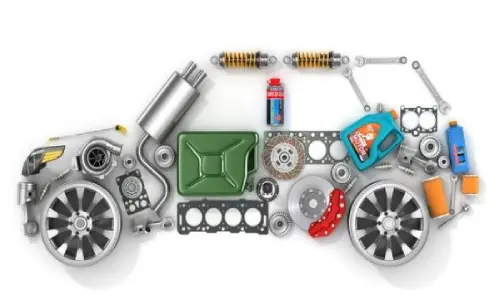
Automotive rapid prototyping plays a transformative role in the vehicle design and production process. By enabling manufacturers to construct and evaluate preliminary models before mass production, this innovative methodology has become indispensable in the fiercely competitive and rapidly evolving automotive sector. With rising customer expectations and stringent regulations, the ability to iterate and innovate quickly is essential for success. This article explores the applications, evolution, and impact of automotive rapid prototyping, shedding light on how it streamlines the journey from concept to creation.
1. The Role of Automotive Rapid Prototyping in Vehicle Design
At its core, automotive rapid prototyping refers to creating preliminary models of vehicles to test and refine their design, functionality, and performance before entering full scale production. The process bridges the gap between abstract concepts and tangible products, allowing designers and engineers to turn innovative ideas into reality.
One of the critical applications of rapid prototyping lies in rapid prototyping design. By utilizing advanced digital tools, designers can model vehicle components, simulate their performance, and refine their aesthetics. This iterative approach ensures that every element, from the exterior shape to the interior features, aligns with the intended vision and meets technical requirements.
Moreover, rapid prototyping enables manufacturers to identify potential flaws early in development, saving time and resources. For instance, a poorly designed component can be reworked during the prototyping phase, preventing costly recalls or production delays. As a result, automotive manufacturers can deliver high-quality vehicles that meet safety and performance standards while appealing to consumer preferences.
2. The Evolution of Prototyping in the Automotive Industry
The journey of automotive prototyping has undergone remarkable transformations over the decades, driven by advancements in technology and changing industry demands. Traditionally, prototyping involved manual craftsmanship, where engineers would create physical models using materials like clay or wood. While effective, this approach was time consuming and lacked the precision required in today’s competitive landscape.
Enter rapid prototyping online, a revolutionary approach that leverages digital technologies like computer-aided design (CAD), 3D printing, and virtual simulations. Online tools allow designers to create and modify prototypes in real time, facilitating collaboration across global teams. This shift from manual to digital methods has not only expedited the prototyping process but also opened doors to new possibilities, such as:
Virtual Prototyping: Engineers can simulate vehicle performance under various conditions using virtual reality (VR) and augmented reality (AR) technologies. These simulations offer insights into aerodynamics, fuel efficiency, and safety without the need for physical prototypes.
Hybrid Prototyping: Combining digital and physical prototyping methods allows manufacturers to test specific components physically while analyzing others virtually. This balanced approach enhances accuracy and reduces costs.
Customization: Online tools enable automotive brands to experiment with multiple designs simultaneously, ensuring the final product resonates with target audiences.
The evolution of prototyping underscores its growing significance in modern vehicle development. By embracing rapid prototyping, manufacturers can achieve greater flexibility and creativity in their designs while optimizing efficiency.
Hybrid Prototyping: Combining digital and physical prototyping methods allows manufacturers to test specific components physically while analyzing others virtually. This balanced approach enhances accuracy and reduces costs.
Customization: Online tools enable automotive brands to experiment with multiple designs simultaneously, ensuring the final product resonates with target audiences.
The evolution of prototyping underscores its growing significance in modern vehicle development. By embracing rapid prototyping, manufacturers can achieve greater flexibility and creativity in their designs while optimizing efficiency.
3. Diverse Applications of Automotive Rapid Prototyping
The versatility of automotive rapid prototyping is evident in its diverse applications, which extend across various stages of vehicle development. Each form of prototyping—physical, virtual, and hybrid—offers unique advantages tailored to specific project requirements:
Physical Prototyping: Despite the rise of digital methods, physical prototypes remain invaluable for testing tangible aspects such as ergonomics, materials, and assembly processes. For example, clay models allow designers to visualize and refine the vehicle’s exterior aesthetics, while 3D printed components enable engineers to validate fit and functionality.
Virtual Prototyping: Using simulation software, manufacturers can evaluate complex systems like engine performance, thermal management, and crash safety without constructing a single physical model. This approach accelerates testing and reduces environmental impact.
Hybrid Prototyping: By integrating physical and digital elements, hybrid prototyping combines the strengths of both methods. For instance, a manufacturer might 3D print a dashboard for hands on testing while using virtual simulations to optimize the user interface design.
The adaptability of rapid prototyping ensures that it can address the unique challenges of every project, from concept cars to mass market models. Additionally, the ability to test and refine designs in real time allows manufacturers to stay ahead of market trends and customer demands.
Virtual Prototyping: Using simulation software, manufacturers can evaluate complex systems like engine performance, thermal management, and crash safety without constructing a single physical model. This approach accelerates testing and reduces environmental impact.
Hybrid Prototyping: By integrating physical and digital elements, hybrid prototyping combines the strengths of both methods. For instance, a manufacturer might 3D print a dashboard for hands on testing while using virtual simulations to optimize the user interface design.
The adaptability of rapid prototyping ensures that it can address the unique challenges of every project, from concept cars to mass market models. Additionally, the ability to test and refine designs in real time allows manufacturers to stay ahead of market trends and customer demands.
4. Benefits and Future Trends in Automotive Rapid Prototyping
The benefits of rapid prototyping design extend beyond speed and efficiency; they also contribute to sustainability, innovation, and customer satisfaction. By minimizing waste during the development phase, prototyping reduces the environmental impact of vehicle production. Furthermore, it empowers designers to experiment with groundbreaking concepts, paving the way for electric and autonomous vehicles.
The future of automotive rapid prototyping looks promising, with emerging technologies poised to redefine the landscape:
AI Driven Prototyping: Artificial intelligence (AI) can analyze design data and suggest optimizations, streamlining the prototyping process further.
Additive Manufacturing: Advanced 3D printing techniques are making it possible to create complex components with enhanced precision and durability.
Sustainable Materials: Prototypes made from biodegradable or recycled materials reflect the industry’s commitment to environmental responsibility.
As rapid prototyping continues to evolve, it will play an even more significant role in shaping the future of mobility. Manufacturers can harness its potential to create vehicles that are not only efficient and reliable but also align with the values of modern consumers.
Additive Manufacturing: Advanced 3D printing techniques are making it possible to create complex components with enhanced precision and durability.
Sustainable Materials: Prototypes made from biodegradable or recycled materials reflect the industry’s commitment to environmental responsibility.
As rapid prototyping continues to evolve, it will play an even more significant role in shaping the future of mobility. Manufacturers can harness its potential to create vehicles that are not only efficient and reliable but also align with the values of modern consumers.
Automotive rapid prototyping is more than just a tool; it is a cornerstone of innovation and excellence in the automotive industry. From refining rapid prototyping designs to leveraging rapid prototyping online tools, this approach empowers manufacturers to bring their visions to life while addressing complex challenges. Whether through physical, virtual, or hybrid methods, prototyping ensures that vehicles meet the highest standards of quality, safety, and performance.
As technology advances, the role of rapid prototyping will only grow, enabling the industry to deliver groundbreaking vehicles that redefine the driving experience. By embracing this powerful methodology, automotive manufacturers can remain at the forefront of innovation and continue to exceed customer expectations in an ever-changing market.
Younger Mould is one of the most popular Chinese rapid prototyping design suppliers, who has earned a good reputation and position in the industry, gaining the trust and praise of numerous customers. If you are interested in our rapid prototyping online for automotive, please leave your contact information, and we will provide you with favorable quotations and automotive rapid prototyping services.
Why Does Auto Need Rearview Mirror Mold?
What Is Front Reflector Mold?
Related Article

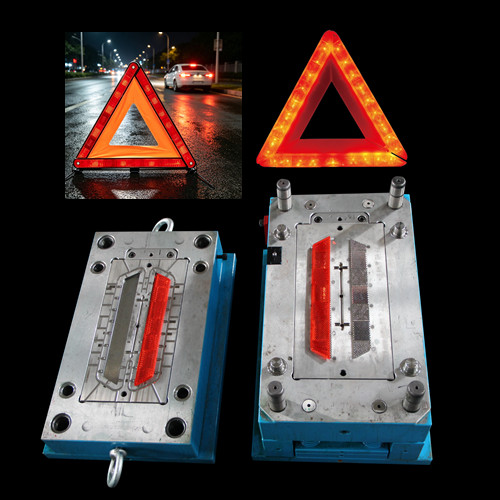
We are a professional mold manufacturer in Huangyan, China, specializing in high-precision injection molds for parking reflex reflectors and warning triangles. Our molds are made with durable steel for long service life, supporting custom designs and stable mass production to meet your automotive accessory manufacturing needs.
Parking reflex refletcor warning triangle mould