How To Design And Make An Auto Parts Mould?
2024-10-28
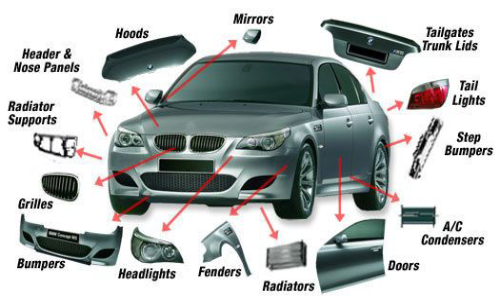
The manufacturing process of automotive parts involves several critical steps, one of the most important being the design and creation of an auto parts mould. car body moulds are essential tools used to shape plastic or metal components for vehicles, from small clips and fasteners to large body panels. Without well designed and accurately produced moulds, the mass production of high quality auto parts would be impossible.
What Is an Auto Parts Mould?
An auto parts mould is a specialized tool or die used in the manufacturing process to shape raw materials—usually plastic, metal, or rubber—into specific components for cars, trucks, and other vehicles. These car body moulds are often created through a combination of engineering design and advanced machining techniques, and they are typically used in processes like injection molding, die casting, or compression molding.
The quality of the auto parts produced directly depends on the precision of the mould, making its design and construction crucial for ensuring that components meet safety, durability, and aesthetic standards.
Step 1: Understanding the Requirements
The first step in designing an auto parts mould is to clearly understand the requirements of the specific part. This includes the part’s dimensions, material, function, and performance criteria. For example, parts like bumpers, dashboards, or engine components each have unique needs in terms of strength, heat resistance, or flexibility.
Material Selection: Depending on the part, you may need to design moulds for materials such as ABS (Acrylonitrile Butadiene Styrene), polypropylene, aluminum, or rubber. Each material behaves differently during the molding process, influencing the design of the mould.
Tolerance Levels: High precision components, especially those used in engine parts or safety systems, require car body moulds with tight tolerance levels to ensure that every piece produced is within exact specifications.
Part Functionality: Understanding how the part will function is critical. For instance, parts subjected to high wear and tear or exposure to high temperatures (such as engine parts) need car body moulds that account for these stress factors.
Step 2: CAD Design and Simulation
Once the part's requirements are clear, the next step is to design the auto parts mould using computer aided design (CAD) software. CAD is crucial for visualizing the mould in 3D and making precise adjustments before any physical work begins.
Key Design Considerations:
Part Geometry: The shape and complexity of the part will influence the design of car body moulds. Complex geometries, such as parts with undercuts, grooves, or threaded areas, require special mould designs with multiple pieces or moving components, such as side cores or sliders.
Part Geometry: The shape and complexity of the part will influence the design of car body moulds. Complex geometries, such as parts with undercuts, grooves, or threaded areas, require special mould designs with multiple pieces or moving components, such as side cores or sliders.
Shrinkage Allowance: When molding plastic or metal parts, materials often shrink as they cool. The mould must account for this by being slightly larger than the final part to ensure the part retains the desired dimensions once cooled.
Ejection System: Car body moulds must be designed with a mechanism for ejecting the part after it has been formed. This is typically achieved with ejector pins or plates that push the part out of the mould once the material has cooled and solidified.
Cooling System: Heat management is critical in auto parts moulds, particularly for plastic injection moulding. Cooling channels or inserts are incorporated into the mould design to regulate the temperature and prevent warping or defects in the final part.
Simulation and Testing
Before creating the physical mould, it’s essential to run simulations using software tools to test the design. Mold flow analysis, for example, can simulate how the material will flow through the mould cavity, identifying potential issues such as air traps, weld lines, or sink marks.
Before creating the physical mould, it’s essential to run simulations using software tools to test the design. Mold flow analysis, for example, can simulate how the material will flow through the mould cavity, identifying potential issues such as air traps, weld lines, or sink marks.
This step helps reduce costly errors during production by allowing engineers to optimize the design before manufacturing the mould itself.
Step 3: CNC Machining and Mould Fabrication
Once the car body moulds design is finalized and tested, the next phase is to fabricate the auto parts mould. This is typically done using CNC (Computer Numerical Control) machining, a process that involves precisely cutting and shaping the mould components out of steel or other durable materials.
CNC Machining Process
Material Selection for the Mould: The most common materials for auto parts moulds are hardened steel, aluminum, or a combination of both. Steel is preferred for high-volume production due to its durability, while aluminum is used for lower volume runs because it’s easier to machine and less costly.
Material Selection for the Mould: The most common materials for auto parts moulds are hardened steel, aluminum, or a combination of both. Steel is preferred for high-volume production due to its durability, while aluminum is used for lower volume runs because it’s easier to machine and less costly.
Precision Machining: CNC machines are programmed with the CAD data and cut the mould components with extreme precision, ensuring that all dimensions and features are accurate. The machining process typically includes milling, drilling, and grinding to create the mould cavity, cores, and ejector mechanisms.
Polishing and Surface Finishing: After machining, the mould surfaces need to be polished to achieve the desired surface quality for the finished part. In some cases, texturing or etching is applied to the mould surface to create patterns or matte finishes on the final product.
Step 4: Mould Assembly and Testing
Once the individual mould components are machined and polished, the mould is assembled and tested to ensure it operates correctly.
Mould Assembly
The different parts of the auto parts mould, such as the mould base, cavity, core, ejector pins, and cooling systems, are assembled together. The accuracy of this assembly is critical to ensuring that the mould works smoothly during the manufacturing process.
The different parts of the auto parts mould, such as the mould base, cavity, core, ejector pins, and cooling systems, are assembled together. The accuracy of this assembly is critical to ensuring that the mould works smoothly during the manufacturing process.
Testing and Trial Runs
Before the car body moulds go into full production, trial runs are conducted to check for any issues. This involves running the mould with the selected material under actual production conditions to see how well it performs. Common issues that may arise during testing include:
Before the car body moulds go into full production, trial runs are conducted to check for any issues. This involves running the mould with the selected material under actual production conditions to see how well it performs. Common issues that may arise during testing include:
Part Defects: Issues like flashing (excess material around the edges), sink marks, or warping need to be addressed before mass production begins.
Fit and Function: The trial parts are also checked for how well they fit with other components or systems in the vehicle.
If any issues are identified, the mould can be adjusted or modified to ensure consistent quality in the final parts.
Step 5: Mass Production and Maintenance
Once the auto parts mould passes all tests and is ready for production, it moves into the manufacturing phase. At this point, thousands or even millions of parts can be produced using the same mould, depending on the project’s volume requirements.
Maintenance of the Mould
To ensure the longevity of the mould and the continued production of high quality parts, regular maintenance is necessary. This involves cleaning the mould between production runs, lubricating moving parts, and inspecting the mould for wear or damage.
To ensure the longevity of the mould and the continued production of high quality parts, regular maintenance is necessary. This involves cleaning the mould between production runs, lubricating moving parts, and inspecting the mould for wear or damage.
Over time, the mould may require repairs or adjustments to maintain optimal performance. Proper mould maintenance helps reduce downtime and ensures that the parts produced remain consistent in quality.
By investing in well designed and properly maintained auto parts mould, manufacturers can ensure the efficient production of parts that meet the rigorous standards of the automotive industry, contributing to the safety, performance, and reliability of vehicles worldwide.
Younger Mould is a professional automotive mold maker in China, who has earned a good reputation and position in the industry, gaining the trust and praise of numerous customers. If you are interested in our car body moulds, please leave your contact information, and we will provide you with favorable quotations and car body moulds services.
Why Do We Need An Auto Lamp Mould?
Are Auto Bumper Injection Molded?
Related Article

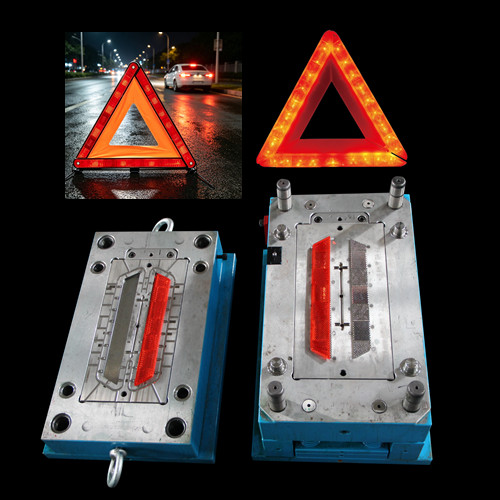
We are a professional mold manufacturer in Huangyan, China, specializing in high-precision injection molds for parking reflex reflectors and warning triangles. Our molds are made with durable steel for long service life, supporting custom designs and stable mass production to meet your automotive accessory manufacturing needs.
Parking reflex refletcor warning triangle mould