How To Make A Mold Of A Car Part?
In the automotive manufacturing industry, precision, durability, and efficiency are key. Whether you're replicating a classic vehicle part or producing a new prototype, the process of making a mold of a car part is fundamental to the success of the final component.
Understanding the Basics of Automotive Molding Technology
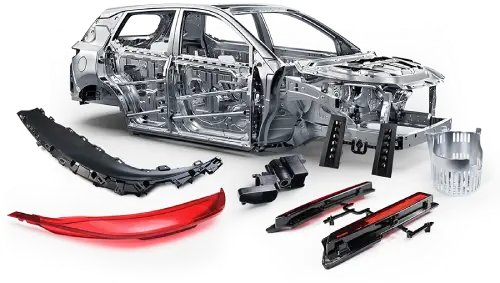
Before diving into the process, it's essential to understand what a car part mold is. In industrial manufacturing, a mold is a hollowed out block filled with material (like plastic or metal) to form specific shapes. For automotive applications, molds are used to fabricate a wide range of parts, including bumpers, dashboards, panels, trims, and structural components.
The use of molds in automotive manufacturing ensures repeatability, design accuracy, and mass production capabilities, which are crucial for the modern automotive supply chain.
Why Mold Making is Critical in Automotive Production
Making an accurate automotive parts mold is not just a technical requirement — it’s a cost efficient solution to high-volume production and quality control. Key benefits include:
Precision replication of complex geometries.
Support for lightweight materials like plastics and composites.
Consistency in tolerances across thousands of units.
Customization capabilities for OEM and aftermarket products.
With the rise of electric vehicles and automotive lightweighting trends, manufacturers are increasingly turning to advanced car body mould systems to meet new structural and aesthetic demands.
Step-by-Step Process: How to Make a Mold of a Car Part
Now let's walk through the professional process of making a mold of a car part, from conceptualization to tooling and beyond.
1. Reverse Engineering the Car Part
The first step in mold making is to obtain a precise model of the original car part. This is especially important when duplicating existing components such as classic car trims or obsolete parts.
Common Methods Include:
3D scanning of the part to capture surface geometry.
CAD modeling based on physical dimensions and design features.
Surface reconstruction to refine geometry for moldability.
Reverse engineering forms the foundation for accurate automotive parts mold design, especially when the original CAD files are unavailable.
2. Designing the Mold with CAD/CAM Software
After obtaining the geometry, the next step is to design the car part mold. This involves considering shrinkage rates, mold flow behavior, ejection mechanisms, and material selection.
Considerations in Mold Design:
Parting line determination
Mold draft angles
Gate and runner system placement
Cooling channel integration
Advanced CAD/CAM software such as SolidWorks, Siemens NX, or CATIA is commonly used in the industry to streamline the development of car body mould designs, ensuring production efficiency and manufacturability.
3. Choosing the Right Mold Material
The mold material depends on production volume, part material, and mechanical requirements. For plastic automotive molds, steel or aluminum is typically used as the base mold material.
Typical Materials Include:
P20 Tool Steel for moderate volume and general use.
H13 Tool Steel for high-volume injection molding.
Aluminum for low-volume prototyping and cost effective tooling.
Each material has trade-offs in cost, durability, and machinability, and selection must align with the production plan for the specific car part.
4. CNC Machining and EDM: Creating the Mold Tool
Once the mold design is finalized, the physical mold is machined using:
CNC milling for core and cavity shaping.
Electrical Discharge Machining (EDM) for intricate or deep features.
Surface finishing to achieve the required texture and tolerance.
These steps are essential for ensuring the mold precisely mirrors the car part’s geometry, particularly when producing interior panels, vents, or exterior trim with complex surface details.
5. Mold Testing and Trial Runs
Before the mold is ready for mass production, it must undergo trial testing — a process known as T1 sampling in the injection molding industry.
The Purpose of Mold Trials:
Evaluate dimensional accuracy of the molded part.
Check for flow lines, sink marks, warping, or flash.
Adjust mold temperature, injection pressure, and cooling time.
Mold validation helps ensure the mold will consistently produce parts that meet automotive standards and client specifications.
6. Production and Post Processing
Once the mold passes the trials, it is deployed in production. Injection molding machines, compression molding presses, or even RTM (Resin Transfer Molding) systems may be used depending on the part type.
After molding, parts may undergo post-processing steps such as:
Trimming and deburring
Painting or coating
Assembly with other components
These stages ensure the final automotive part is ready for vehicle integration.
Types of Car Parts That Commonly Use Molding
Understanding what types of car parts use molding helps highlight its importance in automotive production.
Exterior parts: bumpers, grills, fenders
Interior parts: dashboards, door panels, center consoles
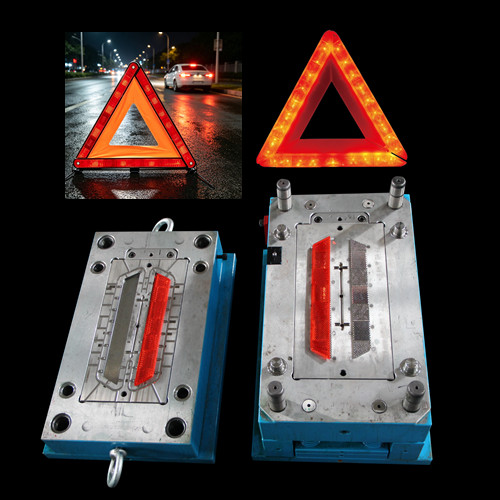
Lighting components: lamp housings, lens covers
Structural parts: battery trays, underbody shields
Whether for aesthetics or structural integrity, car part molds are used throughout vehicle manufacturing, making them essential to both OEM and aftermarket industries.
Challenges in Automotive Parts Mold Fabrication
Creating a high performance automotive parts mold comes with several technical challenges:
Tight tolerances required for fit and function
Thermal expansion control to prevent warping
Material flow prediction to avoid sink marks or short shots
High pressure and high temperature resistance for durable operation
Professional mold makers must anticipate and resolve these challenges to ensure a reliable, long lasting mold tool.
Innovations in Car Body Mould Technology
The field of car body mould production is rapidly evolving. Some notable advancements include:
Use of simulation software for mold flow analysis.
Conformal cooling via 3D printed mold inserts for better heat dissipation.
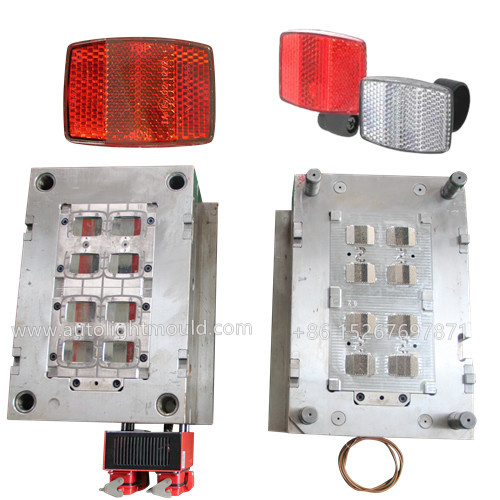
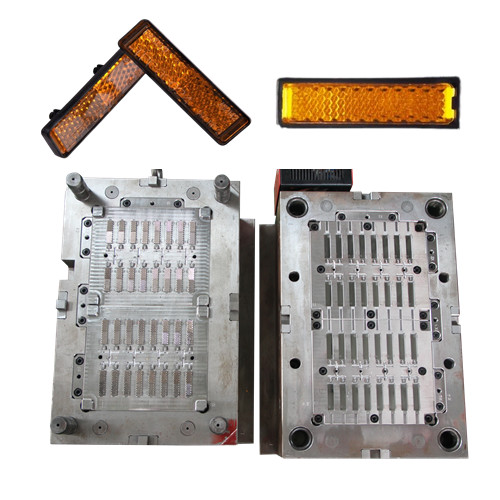
Multi cavity molds for mass production efficiency.
Automated mold maintenance systems with sensors for predictive upkeep.
These innovations not only improve mold quality but also reduce production costs and cycle time, benefiting automotive manufacturers in competitive markets.
Applications Beyond Manufacturing: Prototyping and Customization
In addition to mass production, car part molding is essential in:
Prototyping new vehicle components for testing
Custom car restoration of vintage parts
Low volume or bespoke automotive projects
Electric vehicle lightweight part production
For OEMs and startups alike, the ability to create a mold quickly and accurately is key to shortening product development cycles.
Understanding how to make a mold of a car part is crucial for anyone in the automotive manufacturing space. Whether you're producing thousands of automotive parts molds or restoring a single vehicle, the knowledge and precision required in mold-making cannot be overstated.
From 3D scanning and CAD modeling to CNC machining and mold trials, each step contributes to a robust car body mould that ensures functionality, aesthetics, and safety.
As a supplier or manufacturer, partnering with a skilled mold fabrication team helps ensure your products meet industry standards, remain cost effective, and perform reliably under all conditions.
Younger Mould is a trusted name in car part mold, recognized worldwide for our commitment to quality, innovation, and dependability. We focus on delivering precision automotive parts mold and provide customized solutions at competitive rates. Share your contact details, and our team will be in touch to support your specific needs.
Two Colors Head Light Mold Technology
What Is Automotive Plastic Moulding?
Related Article