How To Mold For Automotive Light?
2024-12-30
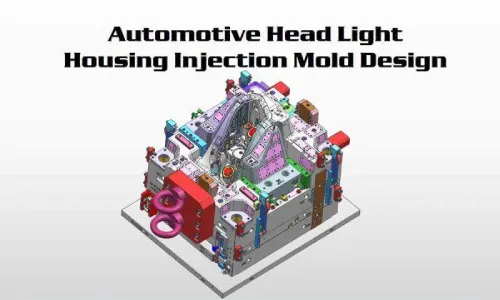
The automotive industry is a dynamic and rapidly evolving sector where functionality, safety, and aesthetics intersect. Among the numerous components that contribute to the performance and design of a vehicle, automotive lighting plays a crucial role. Not only do automotive lights, especially headlights, provide necessary illumination for safe driving, but they also serve as key design elements that enhance the vehicle's overall look. Headlight molds, in particular, are vital in shaping the high precision components of automotive lighting.
What Is a Headlight Mold?
A headlight mold is a highly sophisticated tool used in the manufacturing process of automotive headlights. It serves as the foundation for creating components with precise dimensions, intricate shapes, and flawless surface finishes. The purpose of the mold is to ensure that the headlight lens and housing meet both functional requirements—such as light projection, durability, and safety—and aesthetic criteria that contribute to the overall design of the vehicle.
Headlight molds are integral to the mass production of headlights, ensuring consistency and uniformity in each unit. Their role extends beyond mere shaping: they also ensure that the components perform reliably and fit seamlessly into the overall vehicle assembly.
Functions of a Headlight Mold
Shaping the Lens and Housing
The headlight mold provides the detailed contours for both the lens and the housing, allowing for optimal light projection and distribution. The precise shape of the headlight is essential not only for the visual appeal but also for ensuring that the headlight’s light output meets legal and performance standards.
Facilitating Mass Production
One of the primary functions of the headlight mold is to enable the efficient mass production of components. These molds allow for the consistent and precise replication of parts, ensuring that each headlight is identical to the next, reducing manufacturing costs, and speeding up production times.
Ensuring Compatibility
Headlight molds ensure that the individual parts produced will perfectly fit with other components of the vehicle, from the front grille to the electronic systems inside the headlight assembly. This compatibility is crucial for both aesthetic and functional reasons, as a poor fit could compromise both the look and performance of the headlight.
Enhancing Durability
The headlight mold also plays a role in ensuring the longevity and durability of the headlight. Through the careful selection of materials and molding processes, manufacturers can create headlight components that are resistant to UV radiation, extreme temperatures, moisture, and mechanical stress, all of which could otherwise degrade the light’s performance over time.
What Kind of Plastic Materials Are Used in Headlight Molds?
Choosing the right plastic material for headlight molds is critical in ensuring both the functional and aesthetic qualities of the final product. Each material has specific characteristics that make it suitable for particular applications, and the choice depends on factors such as impact resistance, optical clarity, cost, and heat resistance.
Common Plastic Materials Used in Headlight Molds
Polycarbonate (PC): Polycarbonate is one of the most widely used materials for headlight lenses due to its excellent optical clarity, impact resistance, and UV stability. It’s a durable and lightweight material that withstands both environmental factors and the mechanical stresses encountered during everyday use.
Acrylic (PMMA): Acrylic is another popular material, offering superior light transmission and scratch resistance. It is ideal for applications where optical clarity is a top priority, such as in automotive headlight lenses. Although it may not be as impact resistant as polycarbonate, its optical properties make it a preferred choice for certain applications.
Polypropylene (PP): Polypropylene is commonly used for the housing of automotive headlights. It is chemically resistant, cost-effective, and easy to mold, making it an ideal material for creating the structural components of the headlight.
ABS (Acrylonitrile Butadiene Styrene): ABS is a versatile plastic known for its good impact resistance and surface finish. It is commonly used in decorative elements of automotive lighting as well as for structural parts that require both strength and aesthetic appeal.
Reinforced Plastics: To meet the growing demand for stronger and more durable components, composites made from glass or carbon fibers are increasingly being used in headlight molds. These reinforced plastics offer enhanced strength and heat resistance, ensuring that headlights can perform effectively in demanding automotive environments.
Emerging Trends in Materials
Sustainable Plastics: In response to growing environmental concerns, the automotive industry is exploring the use of biodegradable and recyclable materials in headlight mold manufacturing. This shift towards sustainability aligns with broader efforts to reduce the environmental footprint of automotive production.
Smart Materials: The development of photochromic or thermochromic materials is pushing the boundaries of headlight technology. These smart materials can change their properties in response to external factors, such as light or temperature, enabling innovative lighting features such as adaptive headlights.
Manufacturing Process for Headlight Molds
The manufacturing of headlight molds involves several crucial steps, each contributing to the precision, durability, and functionality of the final product. The process requires technical expertise, advanced machinery, and attention to detail to achieve the desired results.
1. Design and Prototyping
Conceptual Design:
At the start of the process, designers and engineers collaborate to create a blueprint for the headlight mold that balances both functional and aesthetic objectives. The design must account for the technical requirements of the light’s performance as well as the visual aspects of the final product.
Conceptual Design:
At the start of the process, designers and engineers collaborate to create a blueprint for the headlight mold that balances both functional and aesthetic objectives. The design must account for the technical requirements of the light’s performance as well as the visual aspects of the final product.
3D Modeling:
Advanced CAD (Computer-Aided Design) software is used to create detailed virtual models of the mold. These models allow for precise simulations and adjustments, ensuring that the mold will meet all design specifications before manufacturing begins.
Advanced CAD (Computer-Aided Design) software is used to create detailed virtual models of the mold. These models allow for precise simulations and adjustments, ensuring that the mold will meet all design specifications before manufacturing begins.
Rapid Prototyping:
Using 3D printing or CNC machining, prototypes are created to test the mold design. These prototypes are critical for identifying potential issues early in the design process, such as fitment problems or surface imperfections.
Using 3D printing or CNC machining, prototypes are created to test the mold design. These prototypes are critical for identifying potential issues early in the design process, such as fitment problems or surface imperfections.
2. Mold Fabrication
Material Selection:
The choice of material for the mold itself is crucial to the mold's longevity and the quality of the final product. High grade metals like steel or aluminum are typically used, with the material chosen based on production volume and mold complexity.
Material Selection:
The choice of material for the mold itself is crucial to the mold's longevity and the quality of the final product. High grade metals like steel or aluminum are typically used, with the material chosen based on production volume and mold complexity.
Machining:
Mold fabrication involves the use of precision machinery such as CNC machines and Electrical Discharge Machining (EDM) to shape the mold’s intricate details. These tools ensure that the mold is crafted with the utmost precision, allowing for the creation of complex shapes and designs.
Mold fabrication involves the use of precision machinery such as CNC machines and Electrical Discharge Machining (EDM) to shape the mold’s intricate details. These tools ensure that the mold is crafted with the utmost precision, allowing for the creation of complex shapes and designs.
Polishing:
Once the mold is shaped, it is carefully polished to ensure a smooth surface finish. This step is crucial, especially for the headlight lens, as any imperfections on the mold surface will be transferred to the final product, affecting its optical performance and appearance.
Once the mold is shaped, it is carefully polished to ensure a smooth surface finish. This step is crucial, especially for the headlight lens, as any imperfections on the mold surface will be transferred to the final product, affecting its optical performance and appearance.
3. Injection Molding Process
Melt and Inject:
In this step, plastic pellets are melted and injected into the mold under high pressure. The mold's cavity is filled with the molten plastic, which takes the shape of the headlight components.
Melt and Inject:
In this step, plastic pellets are melted and injected into the mold under high pressure. The mold's cavity is filled with the molten plastic, which takes the shape of the headlight components.
Cooling:
The mold is cooled to solidify the plastic, ensuring that the components retain their dimensional accuracy. Proper cooling is vital for preventing warping or deformation of the plastic components.
The mold is cooled to solidify the plastic, ensuring that the components retain their dimensional accuracy. Proper cooling is vital for preventing warping or deformation of the plastic components.
Ejection:
Once the plastic has solidified, the finished components are ejected from the mold. These components may undergo further processing or finishing, such as trimming or surface treatments.
Once the plastic has solidified, the finished components are ejected from the mold. These components may undergo further processing or finishing, such as trimming or surface treatments.
4. Assembly and Finishing
Assembly:
Once all components, such as the lens and housing, are manufactured, they are assembled to form the final headlight assembly. This step often involves quality checks to ensure that all parts fit correctly and that the headlight functions properly.
Assembly:
Once all components, such as the lens and housing, are manufactured, they are assembled to form the final headlight assembly. This step often involves quality checks to ensure that all parts fit correctly and that the headlight functions properly.
Surface Treatments:
After assembly, additional finishing processes may be applied, such as UV coatings or polishing, to further enhance the durability and aesthetic appeal of the headlight.
After assembly, additional finishing processes may be applied, such as UV coatings or polishing, to further enhance the durability and aesthetic appeal of the headlight.
Quality Control for Headlight Molds
Quality control is an essential aspect of headlight mold manufacturing to ensure that each component meets the required standards. Several rigorous testing methods are used throughout the process to verify that the components are free of defects and perform as intended.
Key Quality Control Steps
Dimensional Accuracy:
Precision measurement tools are used to check that the headlight components match the specified dimensions. This ensures that the final product fits perfectly into the vehicle.
Material Testing:
Plastic materials undergo thorough testing to verify their tensile strength, impact resistance, and UV stability. This testing ensures that the materials will withstand environmental stresses over time.
Plastic materials undergo thorough testing to verify their tensile strength, impact resistance, and UV stability. This testing ensures that the materials will withstand environmental stresses over time.
Optical Testing:
Headlight lenses are tested for light transmission and diffusion to ensure optimal lighting performance.
Headlight lenses are tested for light transmission and diffusion to ensure optimal lighting performance.
Thermal Testing:
The ability of the headlight components to resist heat and maintain shape under varying temperatures is crucial for safety and performance. Thermal testing checks the plastic’s ability to endure heat without deforming.
The ability of the headlight components to resist heat and maintain shape under varying temperatures is crucial for safety and performance. Thermal testing checks the plastic’s ability to endure heat without deforming.
Defect Detection:
Advanced techniques such as ultrasonic testing or X ray inspection are used to detect any internal flaws in the mold, such as air bubbles or cracks, that could affect the performance of the headlight.
Advanced techniques such as ultrasonic testing or X ray inspection are used to detect any internal flaws in the mold, such as air bubbles or cracks, that could affect the performance of the headlight.
Practical Tips When Making a Headlight Mold
Creating a high quality headlight mold is an intricate and complex process that requires attention to detail and adherence to best practices.
Practical Recommendations
Invest in High Quality Materials: Choosing premium grade steel or aluminum ensures a longer mold life and consistent performance over time.
Leverage Advanced Technologies: The use of CAD/CAM software and precision machining tools can enhance accuracy and reduce errors during production.
Prioritize Maintenance: Regular cleaning, lubrication, and inspection of molds prevent wear and tear, helping to extend the life of the mold.
Focus on Cooling Systems: Effective cooling systems are vital for minimizing cycle times and reducing defects.
Collaborate with Experts: Working with experienced mold designers and manufacturers ensures the best possible results.
Invest in High Quality Materials: Choosing premium grade steel or aluminum ensures a longer mold life and consistent performance over time.
Leverage Advanced Technologies: The use of CAD/CAM software and precision machining tools can enhance accuracy and reduce errors during production.
Prioritize Maintenance: Regular cleaning, lubrication, and inspection of molds prevent wear and tear, helping to extend the life of the mold.
Focus on Cooling Systems: Effective cooling systems are vital for minimizing cycle times and reducing defects.
Collaborate with Experts: Working with experienced mold designers and manufacturers ensures the best possible results.
Future Trends in Headlight Mold Manufacturing
As the automotive industry continues to evolve, so does the field of headlight mold manufacturing. Key trends are shaping the future of the industry, focusing on innovation and sustainability.
1. Smart Lighting Integration
The increasing demand for adaptive headlights, which automatically adjust the light beam based on driving conditions, is influencing headlight mold designs. Manufacturers are now incorporating molds that accommodate advanced features such as sensors, cameras, and other smart technologies.
The increasing demand for adaptive headlights, which automatically adjust the light beam based on driving conditions, is influencing headlight mold designs. Manufacturers are now incorporating molds that accommodate advanced features such as sensors, cameras, and other smart technologies.
2. Sustainability Initiatives
The automotive industry is pushing for greater sustainability, with a focus on using eco-friendly materials and energy efficient manufacturing processes. This trend is contributing to the development of biodegradable plastics and the integration of recyclable materials into headlight molds.
The automotive industry is pushing for greater sustainability, with a focus on using eco-friendly materials and energy efficient manufacturing processes. This trend is contributing to the development of biodegradable plastics and the integration of recyclable materials into headlight molds.
3. Additive Manufacturing
The rise of 3D printing and other additive manufacturing technologies is revolutionizing headlight mold production. These methods enable rapid prototyping, small-batch production, and increased design flexibility.
The rise of 3D printing and other additive manufacturing technologies is revolutionizing headlight mold production. These methods enable rapid prototyping, small-batch production, and increased design flexibility.
4. Customization
There is a growing demand for personalized vehicle designs, which is driving innovation in mold-making techniques. Customized headlights, tailored to individual consumer preferences, are becoming a significant trend in the automotive lighting industry.
There is a growing demand for personalized vehicle designs, which is driving innovation in mold-making techniques. Customized headlights, tailored to individual consumer preferences, are becoming a significant trend in the automotive lighting industry.
Headlight molds are a cornerstone of the automotive lighting manufacturing process, blending technical precision with creative design. From material selection to the final finishing touches, every step of the process plays a crucial role in delivering high quality, functional, and aesthetically pleasing components. As the industry embraces emerging technologies, sustainable practices, and consumer demands for customization, headlight mold manufacturing will continue to evolve, ensuring that automotive lighting not only meets but exceeds the expectations of modern drivers.
Younger Mould is one of the most popular Chinese head light assy mould suppliers, who has earned a good reputation and position in the industry, gaining the trust and praise of numerous customers. If you are interested in our mold for automotive light, please leave your contact information, and we will provide you with favorable quotations and smc moulding press services.
Benefits of Motorcycle Taillight Mold
What Is Bi Color Lamp Mold For Automotive?
Related Article

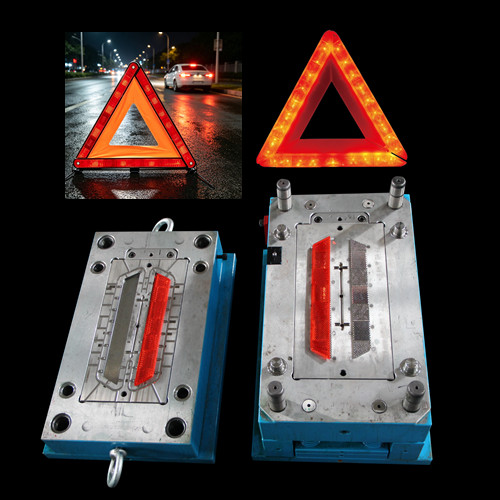
We are a professional mold manufacturer in Huangyan, China, specializing in high-precision injection molds for parking reflex reflectors and warning triangles. Our molds are made with durable steel for long service life, supporting custom designs and stable mass production to meet your automotive accessory manufacturing needs.
Parking reflex refletcor warning triangle mould