How to Remove Mold from Headlights?
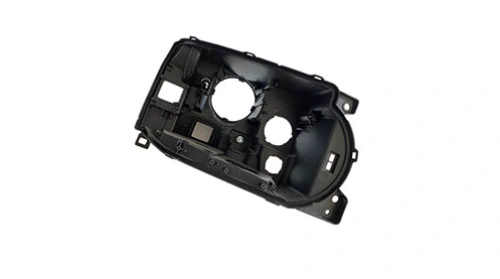
With years of expertise in front light mold and head lamp mold manufacturing, Younger Mould provides automotive and motorcycle manufacturers with the precision and durability needed to produce headlights that resist mold, fogging, and aging.
Chapter 1: What Causes Mold Inside Headlights?
Headlight mold can be an unpleasant sight and a serious performance issue for any vehicle owner. Over time, headlights—especially those with poor sealing or exposure to moisture—can develop mold or foggy residue inside the housing. To remove it effectively, it's important to understand what causes head light mold in the first place.
1.1 Moisture and Condensation Buildup
When the seal around a headlight becomes worn or damaged, tiny amounts of water vapor can enter the assembly. As the temperature fluctuates, this vapor condenses on the inside of the lens, creating a humid environment ideal for mold growth.
1.2 Poor Ventilation in Headlight Housing
Modern headlights are designed with vents to balance air pressure. However, if these vents are blocked by debris or improperly designed, moisture cannot escape—allowing mold spores to thrive.
1.3 Contaminants from the Environment
Dust, pollen, and other organic particles can enter the light housing and settle inside. When combined with moisture, these contaminants serve as a breeding ground for head lamp mold.
1.4 Defects in the Headlight Mold Design
The origin of many headlight problems can be traced back to the design and manufacturing stage. According to Younger Mould, a leading Chinese manufacturer specializing in head light mold, front light mold, and head lamp mold, precision in mold design ensures proper sealing and drainage structures—reducing the risk of moisture accumulation in the final headlight product.
Chapter 2: How to Remove Mold from Headlights Safely and Effectively?
Removing mold from headlights is not just about cleaning the lens; it's also about restoring visibility and preventing further contamination. Here's a comprehensive, step-by-step approach.
2.1 Step 1: Remove the Headlight Assembly
Start by detaching the headlight unit from the vehicle. Consult the car's manual to ensure you disconnect all clips and wiring harnesses properly. Removing the assembly allows for deep cleaning and prevents mold spores from spreading.
2.2 Step 2: Clean the Exterior and Interior Surfaces
Mix a solution of mild dish soap and warm water. Gently clean the outer lens using a microfiber cloth. For internal cleaning, open the headlight housing if possible. Use a soft brush or cotton swab to reach corners where mold tends to accumulate.
2.3 Step 3: Use Vinegar or Isopropyl Alcohol for Disinfection
Vinegar and isopropyl alcohol are both effective against mold spores. Apply the solution to the affected areas and let it sit for several minutes. This not only kills existing mold but also prevents regrowth.
2.4 Step 4: Dry the Headlight Thoroughly
Drying is a critical step. Use a hairdryer or place the headlight in direct sunlight to eliminate all moisture. Any residual dampness can trigger a return of mold growth.
2.5 Step 5: Reseal and Reinstall the Headlight
After cleaning, reassemble the headlight housing and ensure the seals are tight. If necessary, replace old gaskets or rubber rings to restore airtightness.
2.6 Professional Tip from Younger Mould
Younger Mould's engineering team emphasizes that precision-engineered head light molds play an essential role in preventing this issue from the start. By manufacturing molds with advanced venting channels and robust sealing structures, they help automotive companies minimize moisture infiltration problems in production headlights.
Chapter 3: How Can Head Light Mold Design Prevent Future Issues?
Preventing mold in headlights starts long before the vehicle leaves the factory—it begins with the design of the head light mold itself.
3.1 Importance of Mold Precision
A well-designed front light mold ensures that every headlight component fits perfectly, leaving no gaps for moisture or contaminants. Imperfect mold alignment can cause sealing errors, leading to chronic fogging or mold problems.
3.2 Material Selection and Vent Design
Using high-quality plastic and precise vent systems allows moisture to escape while maintaining internal clarity. Younger Mould utilizes advanced software and CNC technology to produce head lamp molds that meet global automotive standards, ensuring superior durability and visual performance.
3.3 Testing and Quality Control
Before shipment, Younger Mould performs rigorous tests—including thermal cycling, pressure balance, and water tightness checks—on every head light mold. This ensures the mold structure can produce headlights that resist fogging and mold growth, even under harsh environmental conditions.
3.4 Customization for Automotive and Motorcycle Applications
Younger Mould doesn't only produce molds for cars—they also specialize in motorcycle front light mold and motorcycle head lamp mold production. Each design is customized for vehicle size, shape, and ventilation requirements, helping manufacturers reduce post-sale maintenance issues like mold buildup.
Chapter 4: How to Prevent Mold from Returning to Your Headlights?
After cleaning your headlights, it's vital to prevent mold from coming back. Regular care and proactive maintenance can keep your lights clear and functional.
4.1 Keep the Headlight Seals in Good Condition
Check the rubber seals around your headlights every few months. Replace any that appear brittle or cracked. Proper sealing is the first defense against moisture intrusion.
4.2 Store the Vehicle in a Dry Environment
Whenever possible, park your vehicle in a covered or ventilated area. High humidity levels significantly increase the chance of mold growth inside headlights.
4.3 Use Silica Gel or Dehumidifiers
Placing small silica gel packets near the headlights can help absorb excess moisture. Some drivers even use specialized automotive dehumidifiers to maintain dryness inside the light housing.
4.4 Regular Cleaning and Inspection
Clean your headlights every few weeks using non-abrasive cleaners. If you notice fog or dirt inside, act immediately to prevent the conditions from worsening.
4.5 Choose High Quality Lighting Components
Ultimately, prevention begins with product quality. Manufacturers who use high-precision head light molds, like those produced by Younger Mould, achieve better fitting, stronger seals, and longer-lasting clarity in their headlights. Investing in properly engineered lighting components ensures fewer maintenance problems and greater safety on the road.
FAQ: Common Questions About Head Light Mold
Q1: Can mold inside headlights affect visibility?
Yes. Mold and fog can scatter light beams, reducing visibility at night and making driving unsafe.
Q2: Is it safe to clean headlights with bleach?
Bleach is not recommended—it can damage the plastic lens and cause discoloration. Use vinegar or isopropyl alcohol instead.
Q3: How often should I check for mold inside my headlights?
Inspect your headlights every three months, especially if you live in a humid or coastal area.
Q4: Can professional detailing remove headlight mold completely?
Yes, but it depends on severity. Professional detailers use specialized cleaning tools and heat treatments to restore clarity.
Q5: How does Younger Mould help prevent this problem at the manufacturing level?
Younger Mould ensures that each head light mold, front light mold, and head lamp mold they produce is precision-built with optimal venting and sealing structures, minimizing future moisture or mold issues in the finished headlights.
Mold inside headlights may seem like a minor inconvenience, but it signals a deeper issue involving moisture control and component design. Regular maintenance and careful cleaning can help, but true prevention begins with high quality head light mold design.
If you're an automotive producer or designer seeking reliable mold solutions, explore how Younger Mould's advanced headlight mold technology can enhance your product performance and ensure long-term clarity for your lighting systems.
Younger Mould is a premier head light mold manufacturer in China, dedicated to delivering high precision front light mold solutions. Renowned for innovation, accuracy, and dependable performance, we offer fully customized mold services tailored to the unique requirements of international clients. Backed by a skilled engineering team and cutting-edge technology, every head lamp mold we produce ensures exceptional dimensional accuracy, consistent output, and rapid lead times—empowering manufacturers to optimize efficiency while maintaining uncompromising quality.
Is Front Lamp Mold Worth It?
What Is the Difference Between a Mold for Lighting?
Related Article