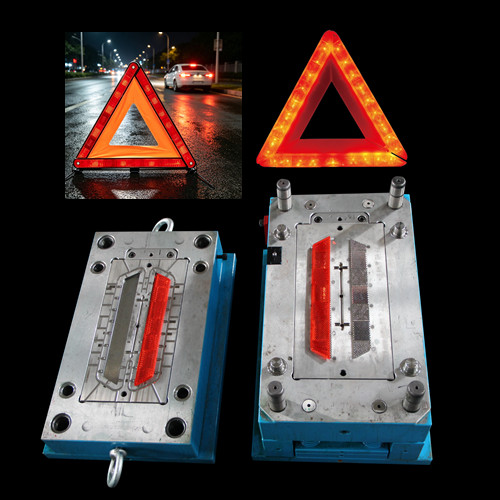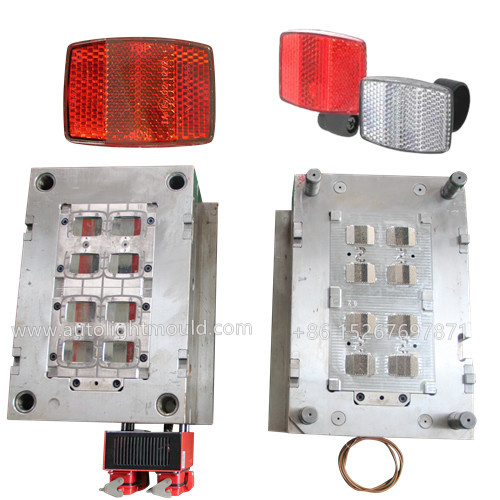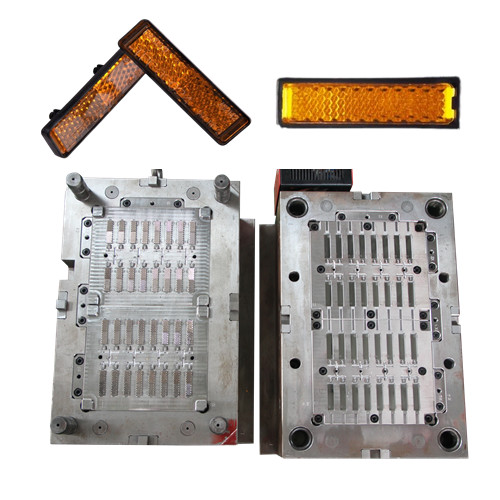
Is a Mold for Motorcycle Front Light Easy to Make?
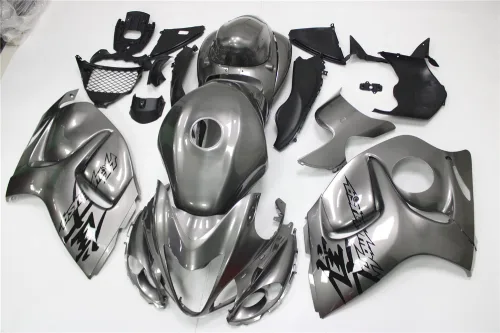
Motorcycle front lights are more than just functional components—they are critical elements that ensure visibility, safety, and even aesthetics. Behind every high-quality front light lies a carefully designed mold for motorcycle front light, a precision tool that shapes the plastic or composite material into durable, reliable, and visually appealing light housings. But is a front light mold easy to make? The answer requires a deeper understanding of the mold-making process, the challenges involved, and the technology applied by specialized manufacturers.
Understanding the Purpose of a Mold for Motorcycle Front Light
Before discussing whether a mold is easy to make, it is important to understand what a mold for motorcycle front light actually is.
A mold is essentially a specially engineered tool that shapes molten plastic or other materials into a specific part. For motorcycle headlights and front lamps, the front light mold creates the exact dimensions and details of the light housing, lens, and sometimes the reflective components.
Key purposes include:
Precision shaping – The mold ensures that every motorcycle light has consistent quality, symmetry, and fit.
Safety compliance – Motorcycle lights must meet international safety standards. The motorcycle light mold guarantees that design tolerances are respected.
Durability – Since lights face environmental stress (rain, vibration, UV exposure), the mold defines the strength and thickness of each part.
Aesthetic design – The front lighting mold must also support modern styling trends, as motorcycle headlights contribute to the overall vehicle look.
Thus, molds are not simply tools—they are the foundation of both performance and design.
The Challenges in Designing a Front Light Mold
The idea of making a mold might sound straightforward—create a cavity, pour material, and remove the finished part. In reality, producing a front light mold is a highly complex task that involves engineering precision, advanced software, and expert craftsmanship.
Complex geometry
Motorcycle headlights often feature curved surfaces, aerodynamic shapes, and integrated reflector patterns. Reproducing these in a motorcycle light mold requires high-end CAD/CAM software and precision machining.
Material considerations
Motorcycle lights are typically made from polycarbonate (PC) or acrylic (PMMA) due to their strength and clarity. These materials demand molds with high polish and precise temperature control. Poor surface quality in the front lighting mold can result in visible defects in the lens.
Optical accuracy
Unlike simple plastic parts, motorcycle headlights must bend and project light accurately. The mold for motorcycle front light must replicate fine optical features to ensure compliance with lighting regulations.
Durability of the mold
A mold is designed for mass production. Factories may produce thousands or even millions of parts, so the front light mold must be made from strong steels and treated for wear resistance.
These challenges show that while small and simple molds may be relatively easy to manufacture, molds for critical motorcycle components like headlights are far from simple.
The Process of Making a Motorcycle Light Mold
To better understand why a motorcycle light mold is complex, let’s look at the steps involved in creating one:
Design and prototyping
The process begins with design files created in 3D CAD software. Engineers simulate injection molding to predict how molten material will flow inside the front light mold. Prototypes may be produced using 3D printing before the final mold is made.
Mold machining
Once the design is finalized, CNC machines, EDM (electrical discharge machining), and grinding machines shape the hardened steel blocks into the final front lighting mold cavity. The level of precision often requires tolerances within microns.
Polishing and finishing
Since motorcycle front lights are transparent parts, the mold surface must be polished to a mirror finish. Any imperfection in the mold for motorcycle front light would appear on the lens, reducing clarity.
Testing and validation
Before mass production, trial runs are conducted. Manufacturers test the motorcycle light mold by producing samples, checking for warpage, light transmission, and fitting accuracy. Adjustments are made if needed.
Mass production readiness
Once the mold passes validation, it is installed in injection molding machines for large-scale production of motorcycle headlights.
This detailed, resource-intensive process shows that making a front light mold is highly technical and requires expertise.
Why Specialized Manufacturers Are Essential
Given the challenges and complexity, it’s clear that molds for headlights cannot be made by just any workshop. Professional motorcycle light mold suppliers bring significant advantages:
Experience and knowledge
Specialized automotive and motorcycle mould manufacturers understand safety standards, optical requirements, and production challenges unique to lighting components.
Advanced technology
Factories like those in China are equipped with 5-axis CNC machines, high-precision polishing tools, and software for mold flow simulation, which ensures the front lighting mold performs perfectly.
Cost efficiency
Though designing a mold for motorcycle front light is expensive, experienced suppliers can reduce costs by streamlining processes and using modular design strategies.
Customization
Leading motorcycle light mold manufacturers provide customized solutions for different motorcycle brands and models. This ensures not only performance but also unique styling options.
China, in particular, has become a hub for these services, with companies like Younger Mould offering advanced motorcycle front light mold design and production for international clients.
Is a Mold for Motorcycle Front Light Easy to Make?
So, is a mold for motorcycle front light easy to make? The answer is clearly no. While the concept of molding is straightforward, the complexity of motorcycle headlights—combined with strict safety, durability, and aesthetic requirements—makes producing a front light mold a demanding engineering challenge.
Creating a reliable motorcycle light mold requires:
Advanced design and simulation software.
High precision machining and polishing techniques.
Deep knowledge of optical and safety standards.
Collaboration with experienced mould manufacturers.
This is why many motorcycle brands rely on trusted suppliers, especially in China, where companies like Younger Mould specialize in delivering world-class solutions. By combining technology, expertise, and innovation, these manufacturers ensure that every front lighting mold supports safer, more stylish, and more durable motorcycles.
Younger Mould is a leading China mold manufacturer specializing in high quality mold for motorcycle front light solutions. With a reputation built on innovation, precision, and reliability, we provide customized mold services that meet the specific needs of global clients. Our engineering team ensures every front light mold is designed with advanced technology, delivering consistent performance, fast turnaround, and exceptional accuracy—helping manufacturers achieve efficiency without compromising on quality.
What Does an Optical Lens Mould Look Like?
How to Mold a Motorcycle Front Light?
Related Article