Is Die Casting Cheaper Than CNC?
When we're planning a manufacturing project—whether it's automotive components, home hardware, or industrial housings—the question “Is die casting cheaper than CNC?” isn't just technical; it's financial. The answer isn't simple, but for high volume production, the evidence overwhelmingly favors die casting. Here's why, broken down into the critical factors that matter most to your bottom line.
Is Die Casting Cheaper Than CNC?
At first glance, CNC machining seems straightforward: a block of metal is carved into shape. But that precision comes at a steep per-unit cost. Each part requires individual setup, toolpath programming, and machine time. For one-off prototypes, CNC is ideal. But when you need hundreds, thousands, or tens of thousands of identical parts? The economics shift dramatically.
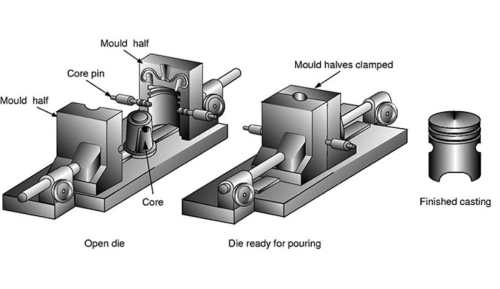
Die casting, by contrast, uses a reusable steel mold—crafted once, then used hundreds of thousands of times. The initial mold cost is high, but that cost is amortized over massive production runs. The result? A single part can be produced in seconds, with minimal labor and near-zero per-unit tooling expense. For high volume applications like door lever sets, heat sinks, or automotive housings, die casting slashes costs by 40–70% compared to CNC machining.
Consider a motorcycle headlight heat sink. Producing 5,000 units via CNC might cost $8 per part. The same part, made via die casting using a precision mold from a trusted die casting mould manufacturer, drops to under $2.50 per unit. The savings compound rapidly: at 50,000 units, you're looking at a difference of over $275,000. That's not just cost reduction—it's competitive advantage.
Is a China Die Casting Mould Manufacturer the Right Choice?
Not all die casting mould manufacturers are created equal. While many offer low prices, few deliver consistent quality, on-time delivery, and engineering support. That's where a proven China die casting mould manufacturer like ZheJiang HuangYan Younger Mould Factory makes the difference.
Younger Mould doesn't just produce molds—they manage your project from concept to delivery. Their team includes dedicated design engineers who review your specifications, optimize part geometry for manufacturability, and suggest material improvements that reduce weight or enhance thermal performance—all before the first shot is made. With advanced equipment like Sodick wire EDM, high speed CNC machining centers, and precision grinders, Younger Mould ensures molds meet micron level tolerances required for complex components.
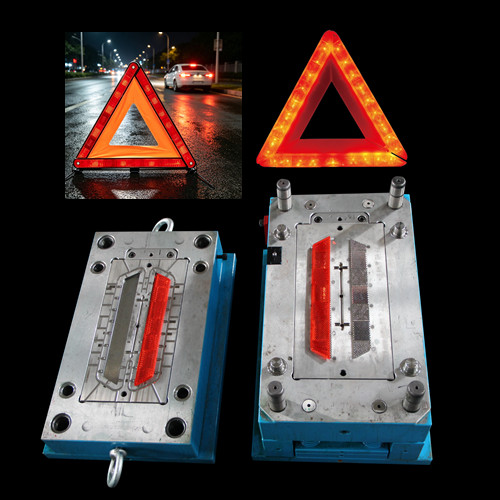
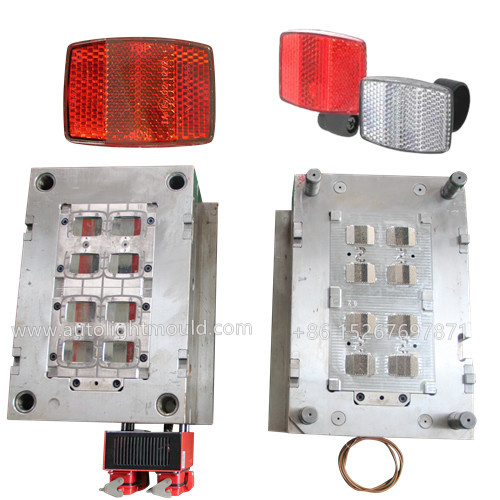
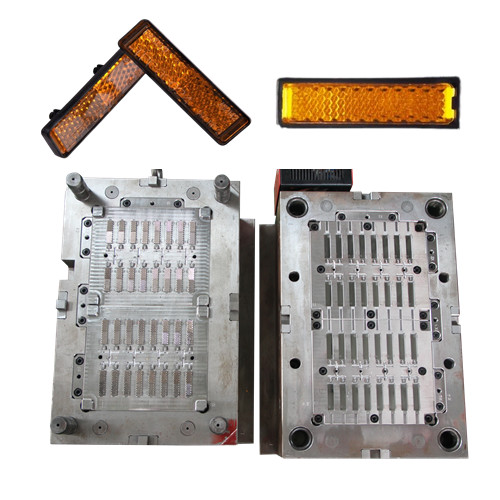
Their experience with automotive headlamp housings, BMC reflectors, and aluminum die casting moulds proves they understand the demands of precision, durability, and repeatability. As a leading die casting mould china supplier, Younger Mould has built its reputation on producing molds for auto lamp housing, tail lamps, and reflectors—components where thermal management and optical clarity are non-negotiable. They don't just make molds; they engineer solutions that prevent warping, improve cooling efficiency, and ensure perfect surface finishes—critical for parts that must perform under extreme heat and vibration.
Is Die Casting Mould China the Future of Affordable Manufacturing?
China has evolved from a low cost assembler to a global hub for high-precision, high-efficiency manufacturing. As a leading die casting mould manufacturer, Younger Mould exemplifies this shift. Their facility operates under strict standards: “High responsibility, high standard, high quality, high efficiency, good after service.” They don't just ship molds—they provide weekly progress reports with photos, track critical process controls, and maintain open communication throughout the lifecycle.
This level of transparency and control is what sets top-tier China die casting mould manufacturers apart from the crowd. They've mastered the balance between cost efficiency and quality assurance. For businesses in North America and Europe seeking to reduce supply chain risk while cutting costs, partnering with a reliable die casting mould china supplier like Younger Mould isn't just smart—it's essential. Their project management approach includes initial design reviews, material selection guidance, and even prototype validation before full-scale production begins—minimizing costly rework and delays.
Is the Initial Investment in a Die Casting Mould Worth It?
The biggest misconception is that die casting requires a huge upfront cash outlay. True—but only if you're making 50 parts. If you're producing 10,000 units annually, the mold pays for itself in under three months. And once built, that same mold can serve multiple product lines or be modified for future iterations, extending its ROI for years.
Younger Mould helps clients navigate this decision by offering initial project planning, clear timelines, and risk-mitigated design reviews. Their goal isn't to sell you a mold—it's to ensure your entire production launch succeeds. Whether you're designing a new aluminum heat sink for LED lighting or a complex BMC reflector for motorcycle headlights, their team works with you to select the right alloy, optimize gate locations, and design cooling channels that reduce cycle times and improve part consistency.
Frequently Asked Questions (FAQ)
Q: Can die casting replace CNC for all parts?
A: No. CNC is better for low volumes, complex internal features, or when material properties require post-machining. Die casting excels at high-volume, net-shape parts with consistent geometry—like automotive housings, heat sinks, or door lever sets.
Q: How long does it take to build a die casting mould?
A: Typically 4–8 weeks, depending on complexity. Younger Mould provides weekly updates with photos and progress reports to keep you fully informed throughout the process.
Q: Why choose a China die casting mould manufacturer over local options?
A: For high-volume production, Chinese manufacturers like Younger Mould offer superior economies of scale, advanced tooling capabilities, and lower total cost—without sacrificing quality. Their integrated design and production teams reduce lead times and improve part reliability.
Q: What materials can Younger Mould work with?
A: Primarily aluminum and zinc alloys for die casting, with deep expertise in BMC injection molding for automotive reflectors and lens housings. They also handle steel molds for high-wear applications.
Q: Do they offer support after the mold is delivered?
A: Yes. Younger Mould provides ongoing technical support, mold maintenance advice, and spare part sourcing—all part of their “good after service” commitment.
When you're weighing die casting against CNC, remember: it's not about which method is “better.” It's about which one delivers your parts faster, more reliably, and at the lowest possible cost. For volume production, the answer is clear—and it's made in China, by a die casting mould manufacturer, such as Younger Mould, who understands precision, not just price. Choose Younger Mould, and you're not just cutting costs—you're securing a partner built for scale, quality, and long-term success.
Difference Between Die Casting And Injection Moulding
Which Comes First, Mold or Cast?
Related Article