Precision Engineering for Motorbike Parts Mould
In the world of motorcycle manufacturing, every component—from the smallest gear to the full fairing—relies on precision engineering and high quality production methods. One of the most critical stages in creating durable, consistent, and aesthetically refined motorbike parts is the moulding process. Whether it’s structural elements, body panels, or functional casings, the motorbike parts mould plays a foundational role in shaping the final product.
The Role of Motorbike Parts Mould in Modern Motorcycle Manufacturing
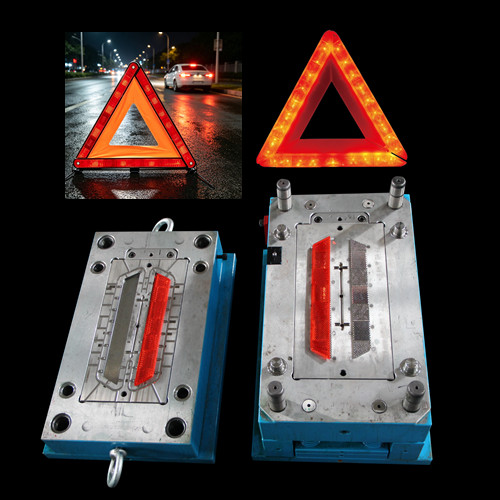
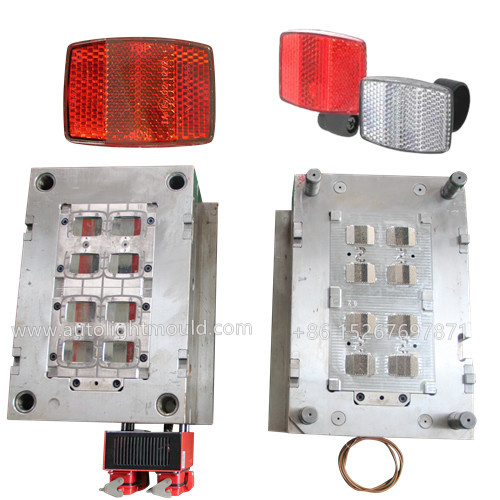
At the heart of motorcycle production lies the need for repeatability, strength, and dimensional accuracy—qualities that are best achieved through injection moulding. A motorbike parts mould is a custom-designed tool used to shape molten plastic, composite, or even metal into specific geometries under high pressure and temperature. These moulds are essential for producing complex, high-tolerance parts such as side covers, air intakes, instrument housings, and interior trims.
Unlike hand-crafted or machined components, moulded parts offer uniformity across thousands of units, making them ideal for OEM (Original Equipment Manufacturer) production. The design of the motorcycle parts mould determines not only the shape of the part but also its wall thickness, surface finish, structural integrity, and ease of ejection.
Modern moulds are typically made from hardened steel or aluminum alloys, chosen based on production volume and material requirements. For low-volume runs, aluminum may be preferred due to faster machining and lower cost. For high-volume, long-term use, hardened steel ensures longevity and resistance to wear.
Younger Mould, known for its expertise in precision tooling, focuses on creating motorbike parts mould systems that balance efficiency with durability. Their engineering approach integrates computer-aided design (CAD) and finite element analysis (FEA) to simulate flow, cooling, and stress distribution—ensuring optimal performance before the first prototype is even produced.
Designing Motorcycle Body Mould: Where Aesthetics Meet Functionality
Among the most visually prominent components of a motorcycle are the body panels—fairings, fenders, and side covers—that define its silhouette and brand identity. These parts are typically produced using motorcycle body mould systems, which require an even higher degree of precision due to their large surface area and complex curves.
Designing a motorcycle body mould involves several critical considerations:
Surface finish quality – High-gloss or textured finishes must be replicated accurately without defects like sink marks or flow lines.
Parting line placement – Must be minimized or hidden to maintain visual continuity.
Venting and cooling channels – Essential to prevent warping and ensure even solidification.
Undercuts and ejection mechanisms – Complex shapes may require side actions or lifters to allow part removal.
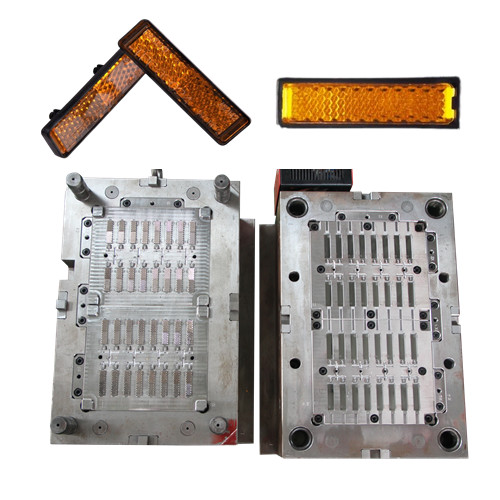
These moulds often use multi-cavity or family mould configurations to produce several related parts in a single cycle, improving production efficiency. Additionally, advanced techniques like gas-assist injection or two-shot moulding may be employed for parts requiring both rigidity and flexibility.
For example, a front fairing might integrate a soft-touch rubberized grip area around the handlebar housing—achieved through overmoulding. This level of sophistication demands precise coordination between material selection, mould design, and process control.
Younger Mould's experience in large-scale motorcycle body mould development includes projects involving aerodynamic testing and thermal management, ensuring that the final parts not only look good but also perform under real-world riding conditions.
Materials and Processes: Choosing the Right Approach for Motorbike Moulded Components
The success of a motorbike parts mould depends not only on its design but also on the materials being moulded. Common polymers used in motorcycle applications include:
ABS (Acrylonitrile Butadiene Styrene) – Known for impact resistance and surface finish, ideal for body panels.
Polycarbonate (PC) – Offers high transparency and strength, used in windshields and lens covers.
Nylon (PA6, PA66) – Excellent for under-the-hood parts due to heat and chemical resistance.
PPO/PPE blends – Used in structural components requiring dimensional stability.
Each material has unique flow characteristics, shrinkage rates, and cooling requirements—factors that must be accounted for in the motorcycle parts mould design. For instance, nylon tends to absorb moisture, which can cause defects if not pre-dried properly before injection. Similarly, PC requires higher mould temperatures to avoid stress cracking.
Process parameters such as injection pressure, cooling time, and gate location are optimized during the mould validation phase. Techniques like mould flow analysis help predict how the molten material will fill the cavity, allowing engineers to adjust the design before costly tool modifications are needed.
Companies like Younger Mould utilize these simulation tools to reduce trial-and-error cycles, leading to faster time-to-market and lower development costs for their clients—without compromising on quality.
Quality Control and Longevity: Ensuring Mould Performance Over Time
A well-designed motorbike parts mould is not just about initial performance—it must also withstand tens of thousands of cycles without degradation. This requires attention to:
Wear resistance – Critical in high-friction areas like ejector pins and slide cores.
Corrosion protection – Especially important when processing materials with additives or in humid environments.
Maintenance accessibility – Moulds should allow for easy cleaning, polishing, and part replacement.
Regular maintenance, including cleaning, lubrication, and inspection for micro-cracks, extends the life of the mould and ensures consistent part quality. Surface treatments such as chrome plating, nitriding, or PVD coating are often applied to enhance durability.
Moreover, quality control during production involves monitoring key metrics like part weight, dimensions, and visual defects. Any deviation can indicate issues with the motorcycle body mould, such as uneven cooling or gate blockage.
Younger Mould emphasizes lifecycle management in its tooling solutions, designing moulds with modular components that can be replaced individually—reducing downtime and repair costs over the long term.
The Engineering Behind Reliable Motorbike Parts Mould Systems
The creation of a motorbike parts mould is a complex blend of mechanical engineering, material science, and aesthetic design. From functional engine covers to sleek motorcycle body mould panels, these tools are essential for producing high-performance, visually consistent motorcycles at scale.
Understanding the intricacies of mould design, material selection, and process optimization helps manufacturers achieve better results—whether in prototype development or mass production. As motorcycles evolve with new materials and technologies, so too must the tools used to build them.
Firms like Younger Mould play a key role in advancing this field by applying precision engineering and data-driven design to every motorcycle parts mould they develop. By focusing on technical excellence and long-term reliability, they support innovation across the global motorcycle industry—one high-quality mould at a time.
Younger Mould is a trusted name in China’s motorbike parts mould sector, recognized worldwide for our commitment to quality, innovation, and consistent reliability. As an industry leader, we specialize in delivering precision engineered motorcycle parts mould services, supporting clients with customized solutions designed to meet a wide range of project specifications—without compromising on speed or accuracy.
We pride ourselves on combining advanced manufacturing technologies with cost effective processes to offer high performance results at competitive rates. If you’re looking for efficient motorcycle body mould solutions, simply share your contact details with us. Our expert team will reach out promptly to discuss your project requirements and help bring your ideas to life.
Guide to Thermoset Molding
Automotive connector mold manufacturer in China for mold trial
Related Article