

Motorcycle Rubber Injection Moulds
Phone+86 18989682282
what's app: +86 18989682282
wechat :+86 18989682282
Mail: lily@whexport.com
What is the rubber injection molding process?
Material Preparation: The injection mold rubber material used in the injection molding process typically comes in the form of pellets or pre-compounded material. Before injection, the rubber is heated to a specific temperature to make it molten and flowable.
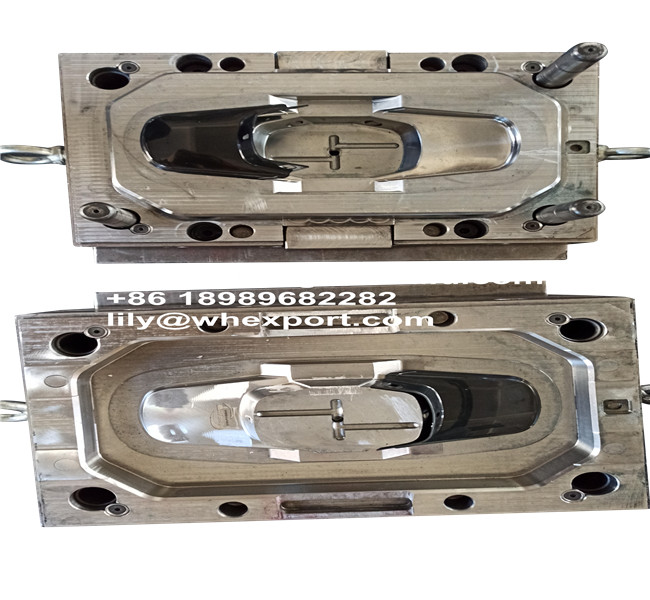
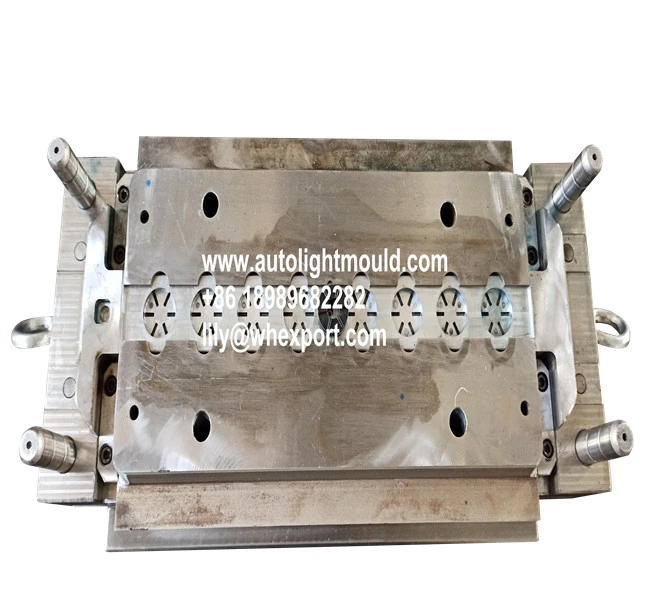
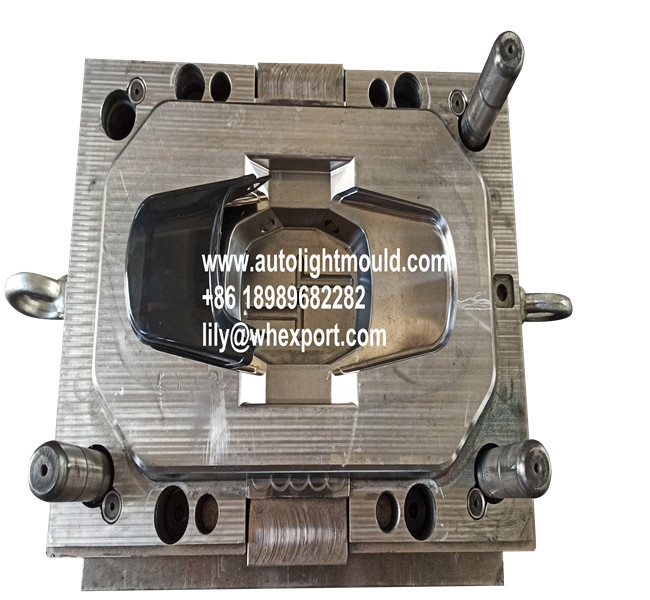
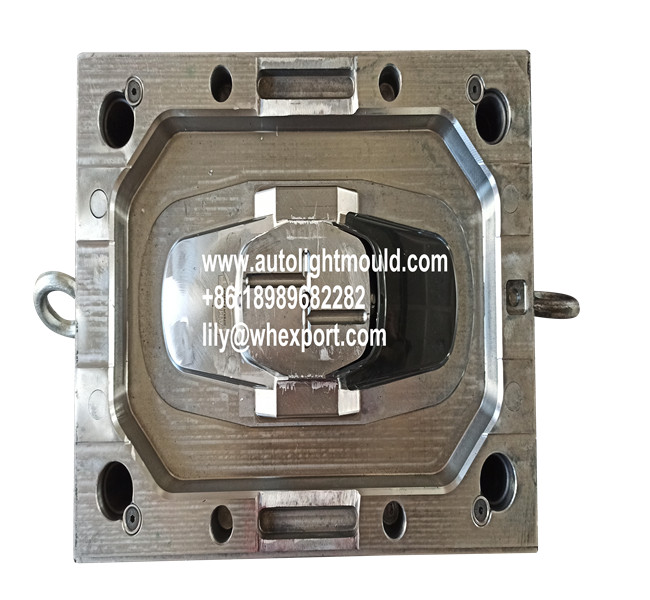
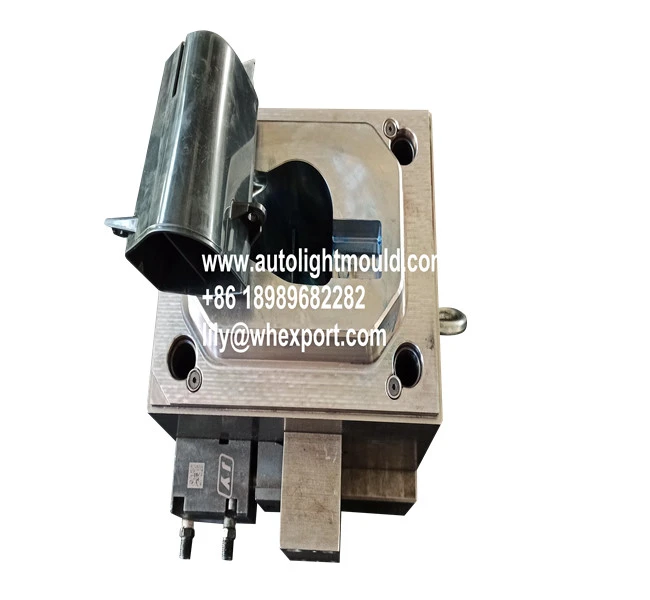
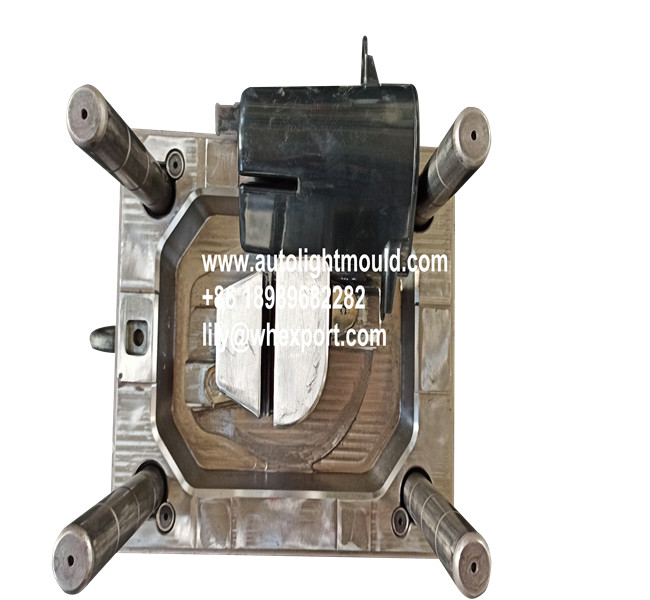
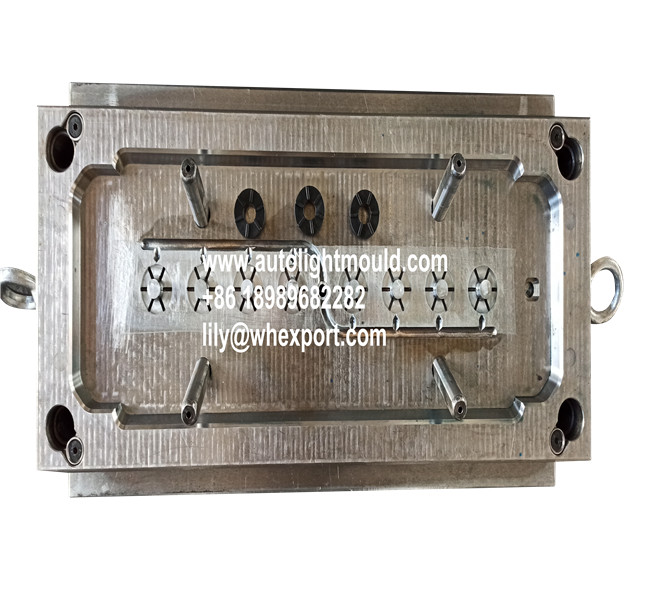
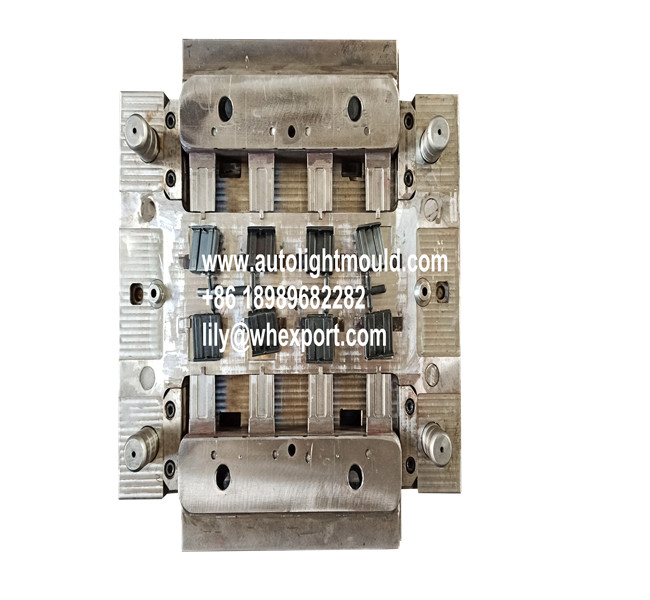
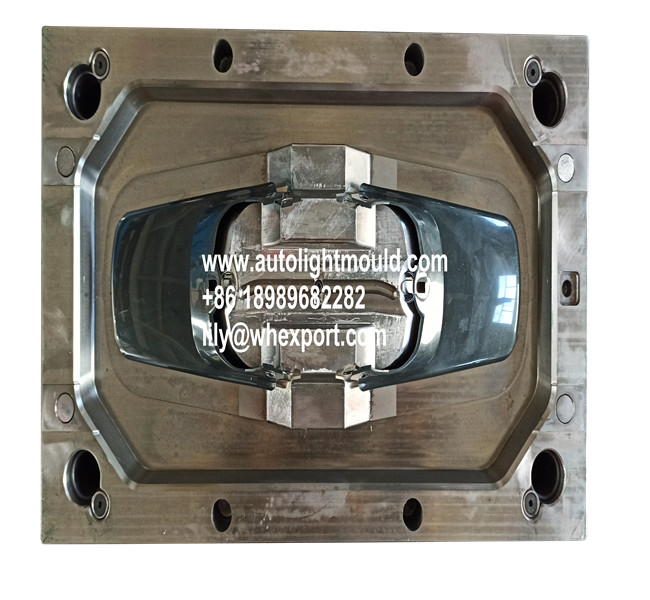
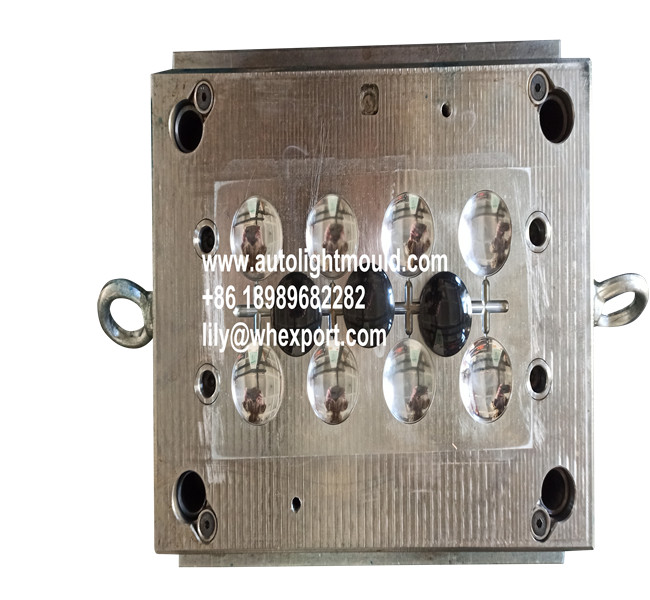
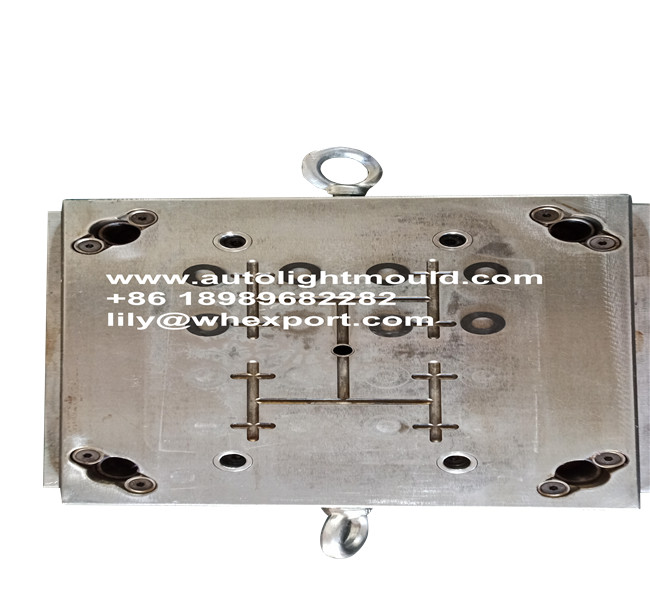
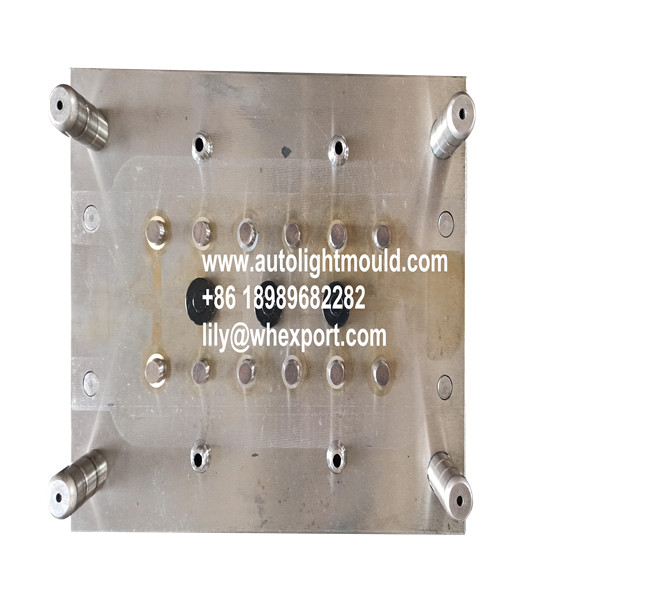
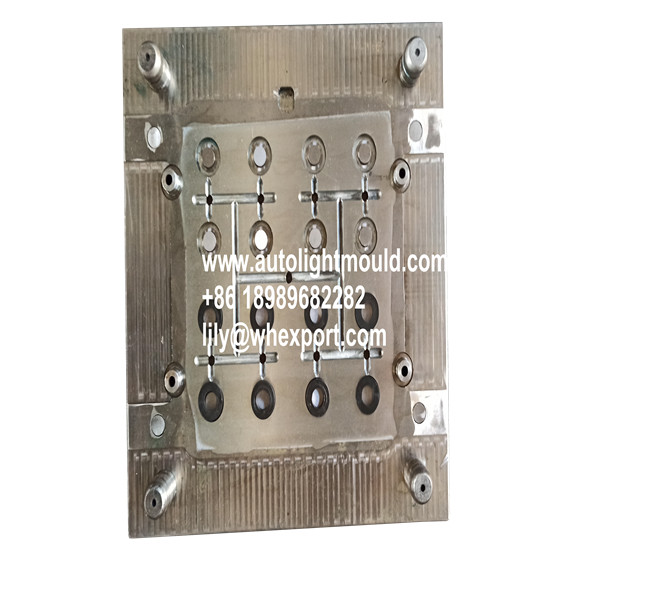
Mold Preparation: The mold consists of two halves: the cavity side and the core side. The mold cavity is the negative of the desired part shape, while the core creates any internal features. The mold is heated to a temperature appropriate for the rubber material being used to prevent premature curing.
Injection: The molten rubber material is injected into the mold cavity through an injection nozzle or gate under high pressure. The pressure ensures that the rubber material completely fills the cavity and forms all intricate details of the part geometry.
Compression Phase: After the mold cavity is filled, additional pressure may be applied to compress the rubber material within the mold. This helps to eliminate any trapped air and ensures uniformity in the part's density and properties.
Curing (Vulcanization): Once the mold cavity is filled, the rubber material undergoes vulcanization to cure and solidify. Vulcanization is typically achieved by heating the mold to a specific temperature for a predetermined amount of time. During this process, chemical cross-links form within the rubber polymer chains, imparting strength, durability, and elasticity to the final part.
Cooling and Ejection: After curing, the mold is cooled to allow the rubber part to solidify further. Once sufficiently cooled, the mold halves are opened, and the finished part is ejected from the mold cavity using ejector pins or other mechanisms.
Trimming and Finishing: The ejected part may undergo trimming or additional finishing processes to remove any excess material, flash, or imperfections. This ensures that the final part meets the desired specifications and quality standards.
Quality Control: Throughout the process, quality control measures are implemented to ensure that the injection molded rubber parts meet the required dimensional tolerances, surface finish, and material properties. This may involve inspection, testing, and validation of the parts at various stages of production.
Cycle Completion: Once the part is ejected from the mold and any necessary finishing operations are completed, the cycle repeats for the production of additional parts


+86 15267697871

younger8@autolightmould.com
