The Process Of BMC Compression Molding
2024-11-29
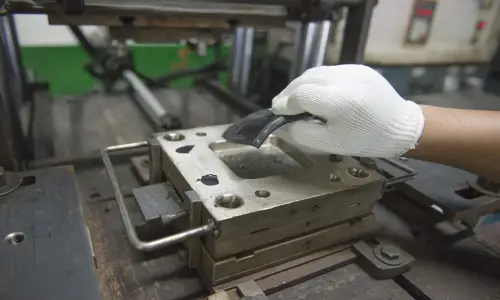
Bulk Moulding Compound (BMC) is a versatile thermoset plastic material, widely used in industries ranging from automotive to electrical, where high performance and durability are required. The manufacturing of BMC components can be achieved through several molding processes, with BMC compression molding being one of the most commonly used techniques. In this article, we will explore what BMC compression molding is, the advantages it offers, and the various factors that can impact the molding process.
What is BMC Compression Molding?
BMC compression molding is a manufacturing process in which a pre-measured amount of BMC bulk molding compound is placed into a heated mold cavity. The mold is then closed, and pressure is applied to the material to shape it into the desired form. BMC, which is a blend of unsaturated polyester or vinyl ester resin, along with fiberglass reinforcements, fillers, stabilizers, and pigments, is initially in a viscous, putty-like form. This material is ideal for compression molding because it can easily flow under pressure, allowing for the creation of intricate shapes and high strength parts.
In the BMC compression molding process, the material is typically placed into the mold as a preform or a set amount of material, which then reacts to the heat and pressure inside the mold to harden and take shape. The process is highly controlled, ensuring that each part meets the required performance specifications.
The Process of BMC Compression Molding
Preparation of the BMC Mould Material
The first step in the BMC compression molding process is the preparation of the material. BMC bulk moulding compound is typically supplied as a preformed, dough like substance. The BMC mould is charged with this compound, which may consist of polyester resin or vinyl ester resin combined with a variety of additives, such as pigments, stabilizers, catalysts, and glass fibers for reinforcement.
Loading the Material into the Mold
A precisely weighed amount of BMC is taken and placed into the mold cavity. The amount of material is critical to ensure that the part formed is of the correct size and weight. The material is carefully loaded into the mold to avoid any air pockets, which can compromise the final part’s integrity.
Compression of the Material
Once the material is loaded into the mold, the compression molding machine is closed. The heated BMC mould exerts significant pressure on the BMC. This step is essential as it helps the material to fill the mold cavity entirely, ensuring that all intricate details of the design are captured.
During this compression phase, the material undergoes a chemical reaction due to the heat (usually between 140°C and 160°C). The resin in the BMC begins to cure, hardening the part and setting it into the desired shape.
Curing Time and Molding Cycle
After applying heat and pressure, the material inside the mold is allowed to cure for a specified amount of time, depending on the material and the complexity of the part. The curing time for BMC compression molding typically ranges from a few minutes to several minutes, depending on the thickness of the part.
The bmc injection molding is then opened, and the finished part is ejected. A secondary finishing process, such as trimming or polishing, may be required to remove excess material or improve the surface finish.
Advantages of BMC Compression Molding
The BMC compression molding process offers several distinct advantages, making it a preferred choice for many manufacturers. Below are some of the key benefits:
High Strength Parts
BMC is known for its exceptional mechanical properties, especially when reinforced with glass fibers. Parts produced via BMC compression molding exhibit excellent strength, stiffness, and durability. This makes the process ideal for applications that require high performance materials, such as in the automotive, electrical, and industrial sectors.
BMC is known for its exceptional mechanical properties, especially when reinforced with glass fibers. Parts produced via BMC compression molding exhibit excellent strength, stiffness, and durability. This makes the process ideal for applications that require high performance materials, such as in the automotive, electrical, and industrial sectors.
Complex Geometries and Precision
BMC compression molding can produce parts with intricate geometries and fine details. The high pressure applied during the molding process ensures that the material flows into the mold's complex shapes, allowing for the production of precision components that meet tight tolerances.
BMC compression molding can produce parts with intricate geometries and fine details. The high pressure applied during the molding process ensures that the material flows into the mold's complex shapes, allowing for the production of precision components that meet tight tolerances.
Cost Effectiveness
Compared to other molding processes like injection molding, BMC compression molding offers a more cost effective solution for manufacturing medium to large volumes of parts. The initial tooling costs are typically lower, and the cycle times can be optimized for faster production without sacrificing part quality.
Compared to other molding processes like injection molding, BMC compression molding offers a more cost effective solution for manufacturing medium to large volumes of parts. The initial tooling costs are typically lower, and the cycle times can be optimized for faster production without sacrificing part quality.
Thermal and Electrical Insulation
The BMC injection molding material is an excellent insulator of both heat and electricity, making it ideal for applications in electrical enclosures, connectors, and other components that need to withstand harsh environments.
The BMC injection molding material is an excellent insulator of both heat and electricity, making it ideal for applications in electrical enclosures, connectors, and other components that need to withstand harsh environments.
Enhanced Surface Finish
Since BMC compression molding is performed under heat and pressure, the material can achieve a smooth, glossy surface finish without the need for extensive post processing. This makes it ideal for applications where the aesthetic quality of the part is important, such as in automotive interiors and consumer electronics.
Since BMC compression molding is performed under heat and pressure, the material can achieve a smooth, glossy surface finish without the need for extensive post processing. This makes it ideal for applications where the aesthetic quality of the part is important, such as in automotive interiors and consumer electronics.
Sustainability
BMC is a thermoset material, meaning it is durable and resistant to degradation, which extends the lifetime of products. Additionally, the material can be optimized to minimize waste, contributing to more sustainable manufacturing practices.
BMC is a thermoset material, meaning it is durable and resistant to degradation, which extends the lifetime of products. Additionally, the material can be optimized to minimize waste, contributing to more sustainable manufacturing practices.
Factors That Affect BMC Compression Molding
Although BMC injection molding offers numerous advantages, several factors can influence the quality and efficiency of the process. Manufacturers must carefully control these factors to ensure optimal results.
Material Composition
The composition of the BMC bulk molding compound plays a crucial role in the molding process. The type of resin, fillers, and reinforcement (such as fiberglass) can affect the flow characteristics, curing time, and overall mechanical properties of the final part. A well balanced formulation is essential for achieving the desired performance.
The composition of the BMC bulk molding compound plays a crucial role in the molding process. The type of resin, fillers, and reinforcement (such as fiberglass) can affect the flow characteristics, curing time, and overall mechanical properties of the final part. A well balanced formulation is essential for achieving the desired performance.
Mold Temperature
The temperature of the mold is one of the most critical factors influencing the molding process. If the mold is too hot or too cold, it can affect the curing time and result in defects such as uneven curing, shrinkage, or warping. Typically, the mold temperature is maintained between 140°C and 160°C, but this can vary depending on the material used and the complexity of the part.
The temperature of the mold is one of the most critical factors influencing the molding process. If the mold is too hot or too cold, it can affect the curing time and result in defects such as uneven curing, shrinkage, or warping. Typically, the mold temperature is maintained between 140°C and 160°C, but this can vary depending on the material used and the complexity of the part.
Compression Pressure
The amount of pressure applied during the molding process must be precisely controlled. Too much pressure can cause excessive material flow, leading to flash or overflow, while too little pressure may result in incomplete mold filling, affecting the part's final appearance and performance.
The amount of pressure applied during the molding process must be precisely controlled. Too much pressure can cause excessive material flow, leading to flash or overflow, while too little pressure may result in incomplete mold filling, affecting the part's final appearance and performance.
Curing Time
Curing time is critical for the complete polymerization of the resin. Insufficient curing can lead to parts that are brittle or not fully hardened, while over-curing can result in material degradation. The right balance must be maintained to ensure the parts have the correct mechanical properties.
Curing time is critical for the complete polymerization of the resin. Insufficient curing can lead to parts that are brittle or not fully hardened, while over-curing can result in material degradation. The right balance must be maintained to ensure the parts have the correct mechanical properties.
Mold Design
The design of the mold itself plays a significant role in the success of BMC compression molding. The mold must be designed to handle the material’s flow characteristics, ensure proper venting to release trapped air, and support the part throughout the curing process. Poorly designed molds can lead to defects such as air pockets, uneven curing, or difficulty in part ejection.
The design of the mold itself plays a significant role in the success of BMC compression molding. The mold must be designed to handle the material’s flow characteristics, ensure proper venting to release trapped air, and support the part throughout the curing process. Poorly designed molds can lead to defects such as air pockets, uneven curing, or difficulty in part ejection.
Part Geometry
The complexity of the part geometry can affect both the flow of the material and the cycle time. More complex designs may require additional considerations, such as thicker sections, longer cooling times, or special features like undercuts or ribs. These factors must be taken into account during the mold design stage.
The complexity of the part geometry can affect both the flow of the material and the cycle time. More complex designs may require additional considerations, such as thicker sections, longer cooling times, or special features like undercuts or ribs. These factors must be taken into account during the mold design stage.
BMC compression molding is a highly effective and efficient method for producing high-strength, durable, and complex parts. The process offers significant advantages, including precision, cost effectiveness, and the ability to create parts with excellent mechanical and electrical properties. However, the success of BMC compression molding depends on factors such as material composition, mold temperature, compression pressure, and curing time.
By carefully controlling these factors and optimizing the process, manufacturers can produce high quality BMC components that meet the demanding requirements of various industries. Whether for automotive, electrical, or industrial applications, BMC compression molding remains an indispensable technique in modern manufacturing.
Younger Mould is one of the most popular Chinese bmc bulk moulding compound suppliers, who has earned a good reputation and position in the industry, gaining the trust and praise of numerous customers. If you are interested in our bmc mould for automotive, please leave your contact information, and we will provide you with favorable quotations and bmc injection molding for auto services.
What Is SMC Injection Molding Used For?
Why Does Auto Need Rearview Mirror Mold?
Related Article

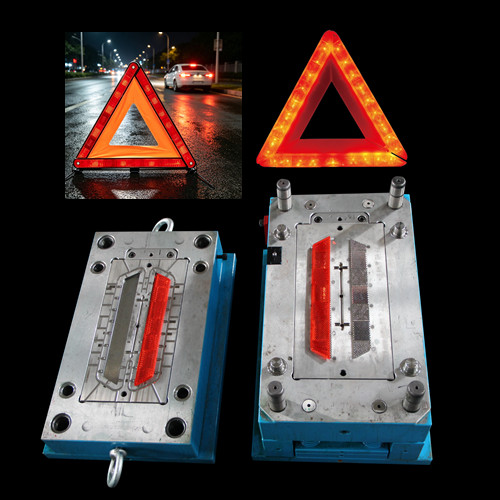
We are a professional mold manufacturer in Huangyan, China, specializing in high-precision injection molds for parking reflex reflectors and warning triangles. Our molds are made with durable steel for long service life, supporting custom designs and stable mass production to meet your automotive accessory manufacturing needs.
Parking reflex refletcor warning triangle mould