Three types of automotive headlights

1. Halogen Headlights
-
Technology: Use a tungsten filament surrounded by halogen gas (iodine/bromine).
-
Pros: Low cost, easy to replace, widely available.
-
Cons: Less energy-efficient, shorter lifespan, yellower/weaker light (~1,000 lumens).
-
Common in: Budget and older vehicles.
2. HID (High-Intensity Discharge) / Xenon Headlights
-
Technology: Create light by igniting xenon gas with an electric arc (no filament).
-
Pros: Brighter (~3,000 lumens), whiter light, better visibility, longer lifespan than halogen.
-
Cons: Higher cost, slight warm-up time, can glare for oncoming traffic if not properly aligned.
-
Common in: Luxury and mid-range vehicles.
3. LED (Light-Emitting Diode) Headlights
-
Technology: Use semiconductor diodes to emit light.
-
Pros: Energy-efficient, instant-on, long lifespan, compact design (enables adaptive lighting).
-
Cons: Expensive to replace, may require heat sinks for thermal management.
-
Common in: Modern cars, EVs, and premium models.
Bonus: Emerging Type
-
Laser Headlights (e.g., BMW/Audi): Even brighter and more efficient than LEDs, but extremely high cost limits adoption.
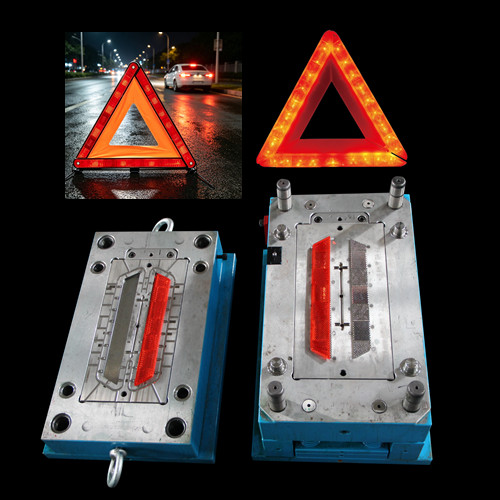
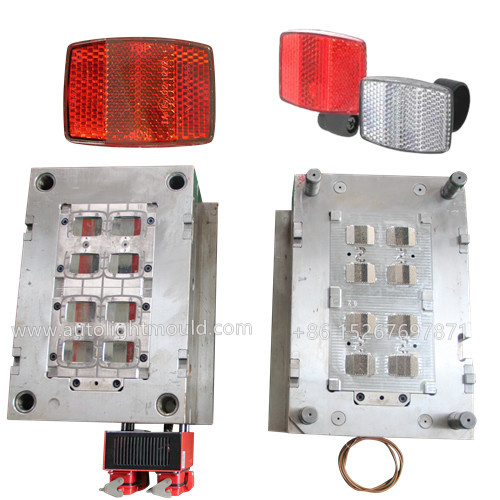
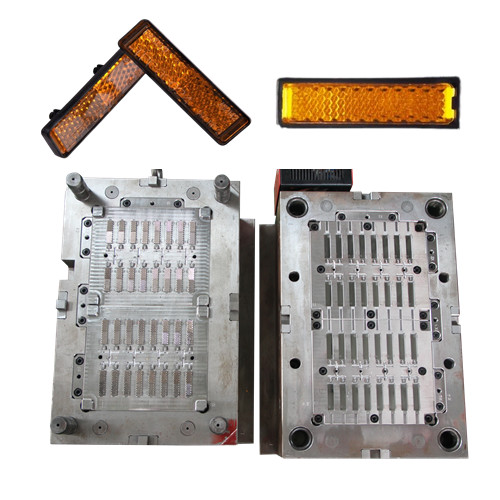
Each type impacts mold design (e.g., LED molds require precision for heat dissipation, HID molds need UV-resistant materials). Let me know if you’d like details tailored to produce headlight mold!
Younger Mould has rich experience in making automotive headlight mold.
Do you know what is a tail light?
2 wheels tail lamp mold trial
Related Article