What Is A Car Mould?
When we think about how cars are made, most people imagine robotic assembly lines, precision welding, and sleek design studios. However, one of the most critical — yet often overlooked — components in automotive production is the car mould. Specifically, the car body mould, also known as an automotive body mould, plays a foundational role in shaping the exterior and interior plastic components that define a vehicle's aesthetics and functionality.
What Exactly Is a Car Mould? A Technical Overview
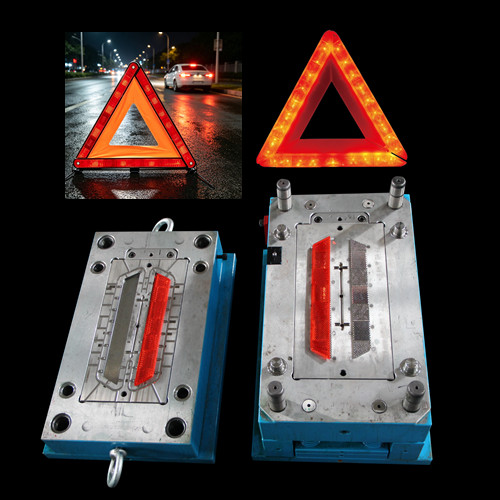
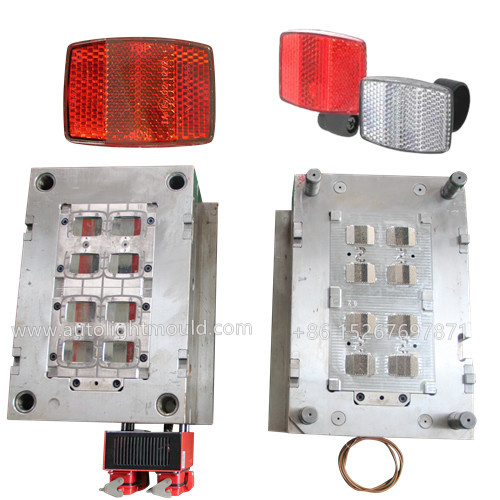
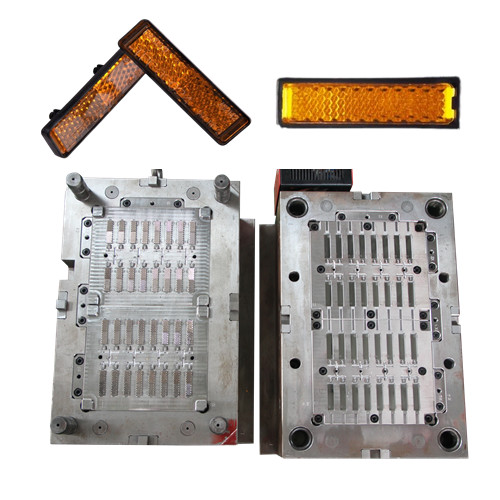
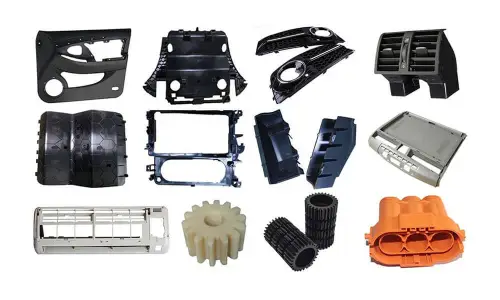
A car mould is a specialized tool used in injection molding to produce plastic parts for vehicles. These parts can range from bumpers, dashboards, and door panels to intricate interior trims and lighting housings. The mould itself is typically made from high grade steel or aluminum and is precision-engineered to replicate complex geometries with tight tolerances.
One of the most important types of car moulds is the car body mould, which refers to the molds used to manufacture exterior body components. These include fenders, spoilers, grilles, and side claddings — parts that not only contribute to the car's visual appeal but also impact aerodynamics and structural integrity.
The process begins with a 3D CAD model of the desired part. Engineers then design the mould cavity and core, considering factors such as material flow, cooling channels, ejection systems, and parting lines. Once manufactured, the automotive body mould is mounted onto an injection molding machine, where molten plastic (often PP, ABS, or PC/ABS blends) is injected under high pressure to form the final component.
How Car Body Moulds Influence Vehicle Design and Production Efficiency
The precision of a car body mould directly affects the fit, finish, and durability of automotive parts. For example, a poorly designed mould can lead to warping, sink marks, or inconsistent wall thickness — all of which compromise both appearance and performance.
Modern car designs demand lightweight, durable, and aesthetically pleasing components. This has led to an increased reliance on advanced automotive injection mold technologies, including multi-cavity molds, hot runner systems, and overmolding techniques. These innovations allow manufacturers to produce complex parts in a single cycle, reducing waste and assembly time.
Moreover, as automakers shift toward electric vehicles (EVs), the demand for custom car body moulds has grown. EVs often feature unique aerodynamic profiles and integrated sensor housings, requiring molds with higher precision and adaptability. This is where experienced mold makers — particularly those based in manufacturing hubs like China — play a crucial role.
Why the Choice of Automotive Injection Mold Maker China Matters
When sourcing automotive body moulds, many global automakers and Tier 1 suppliers turn to automotive injection mold maker China due to the country's strong manufacturing infrastructure, skilled engineering workforce, and competitive pricing. However, not all mold makers are created equal.
A reliable mold maker must demonstrate expertise in several key areas:
Advanced CNC machining and EDM (Electrical Discharge Machining) capabilities
Proficiency in mold flow analysis and simulation software
Experience with automotive-grade materials and industry standards (such as ISO/TS 16949)
Ability to support rapid prototyping and iterative design improvements
Companies like Younger Mould have built their reputation on delivering high-precision car body moulds that meet international quality benchmarks. While we're focusing on general industry knowledge here, it's worth noting that firms with a deep understanding of automotive applications — from material selection to mold maintenance — are better equipped to support long-term production needs.
The Lifecycle of a Car Mould: From Design to Mass Production
Creating a car body mould is not a one-step process. It involves several stages:
Design & Engineering: Engineers analyze the part geometry and determine optimal gate locations, cooling layouts, and ejection mechanisms.
Mold Making: Using CNC machines and surface grinders, the mold cavity and core are fabricated with micron-level accuracy.
Testing & Validation: The mold undergoes trial runs to check for defects, adjust parameters, and ensure consistency.
Mass Production: Once validated, the mold is deployed in high-volume manufacturing environments.
Maintenance & Repair: Regular cleaning, polishing, and component replacement extend the mold's service life.
Each phase requires close collaboration between designers, mold makers, and automotive engineers. This integrated approach ensures that the final automotive body mould performs reliably over thousands — or even millions — of cycles.
Emerging Trends in Automotive Mould Technology
The future of car mould manufacturing is being shaped by digitalization and sustainability. Technologies such as AI-driven mold simulation, IoT-enabled monitoring systems, and additive manufacturing (3D printing of mold inserts) are transforming how molds are designed and maintained.
Additionally, there's a growing emphasis on recyclable materials and energy-efficient molding processes. As automakers strive to reduce their carbon footprint, the demand for eco-friendly automotive injection molds — capable of processing bio-based or recycled plastics — is on the rise.
In this evolving landscape, the expertise of an experienced automotive injection mold maker China becomes even more valuable. Their ability to innovate while maintaining precision and cost-efficiency will continue to support the global automotive industry's transformation.
The Hidden Backbone of Automotive Excellence
While car moulds may not be visible to the end consumer, they are undeniably the backbone of modern vehicle production. From the sleek contours of a luxury sedan to the rugged design of an SUV, every plastic component starts with a precisely engineered car body mould.
Understanding the complexity behind these tools — and the importance of partnering with a knowledgeable automotive injection mold maker China — helps demystify the manufacturing process and highlights the engineering excellence that goes into every vehicle on the road today. Whether you're in design, engineering, or supply chain management, recognizing the role of automotive body moulds is key to appreciating the full scope of automotive innovation.
Younger Mould is a reputable leader in China's car body mould industry, known globally for our dedication to quality, innovation, and reliability. We specialize in precision engineered automotive body mould and offer tailored solutions to meet diverse project requirements—always at competitive prices. Share your contact information, and our team will promptly connect with you to discuss your specific needs.
Is Injection Molding Cheaper Than 3d Printing?
How Are Car Parts Molded?
Related Article