What Is A Four Wheels Lighting Mould?
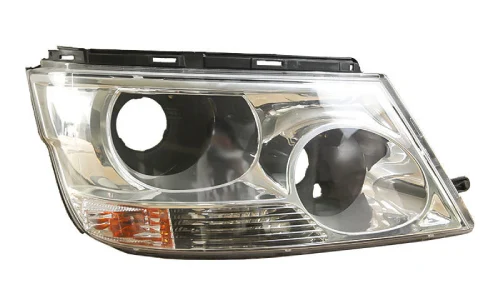
In the automotive industry, efficient manufacturing processes are critical to ensure high-quality products at competitive prices. One of the essential aspects of automotive production is the development of molds that are used to produce various components. Among these, the four wheels lighting mould is an essential tool for the creation of automotive lighting systems.
Introduction to Four Wheels Lighting Mould
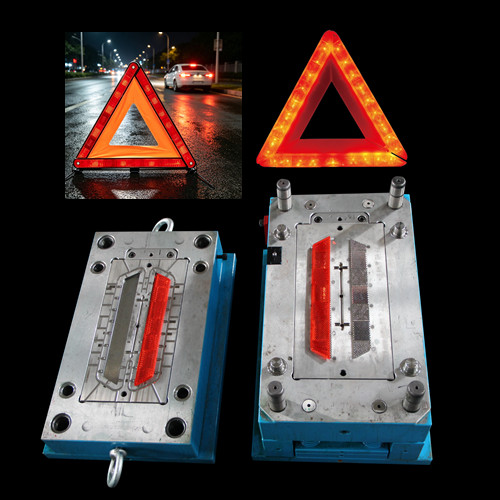
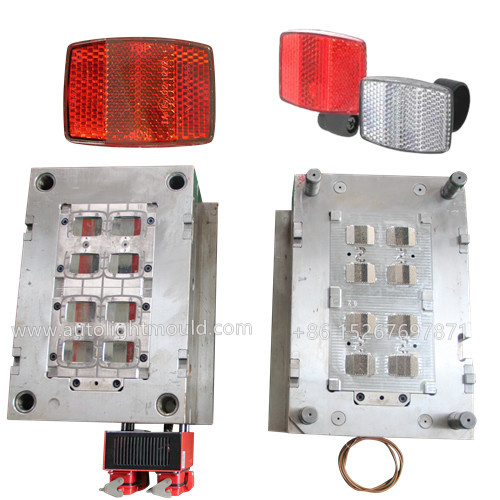
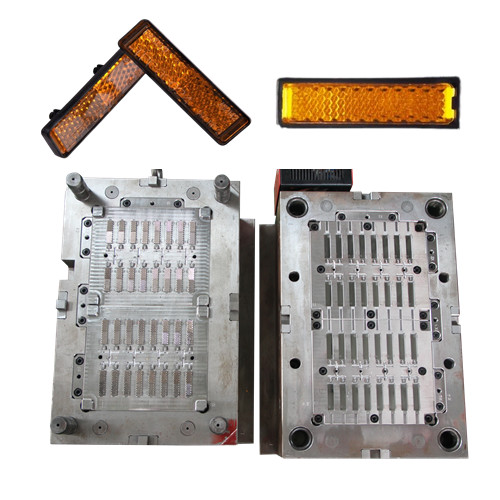
A four wheels lighting mould is a specialized mold used to create lighting components for automobiles, such as headlights, tail lights, and indicators. These molds are designed specifically for automotive lighting systems, which are integral to vehicle safety, aesthetics, and functionality.
The term "four wheels" refers to the automotive application, where the lighting system is crucial for the safe operation of the vehicle. This type of mold is designed to shape the components that will house bulbs, LEDs, or other light sources, ensuring both durability and efficiency.
Manufacturing automotive lighting systems requires precision, as these parts are not only functional but also have to meet strict regulatory standards. As such, the four wheels lighting mould plays a key role in maintaining the quality and safety of automotive lighting components.
The Role of Automotive Injection Molding
Automotive injection molding is a manufacturing process that involves injecting molten plastic or other materials into a mold to form parts. It is widely used in the production of automotive components, including lighting systems. The process is fast, precise, and cost-effective, making it an ideal choice for creating large quantities of automotive parts.
When it comes to four wheels lighting mould, automotive injection molding is essential. The mold itself is crafted to fit the intricate design of automotive lights, which often feature complex shapes and detailed features. For example, modern headlights may have intricate lens shapes or multi-layered designs to improve visibility or provide a more aesthetic appearance.
The injection molding process is highly automated, which allows for mass production with minimal human intervention. Once the mold is designed, it can produce large numbers of lighting components in a short amount of time, ensuring efficiency in the automotive production line.
Design and Functionality of the Four Wheels Lighting Mould
Designing a four wheels lighting mould requires careful consideration of several factors, such as the light source used, the lens shape, and the structural requirements for durability and heat resistance. Automotive lighting components are often exposed to extreme temperatures and environmental conditions, so the mold must be designed to create parts that can withstand these stresses.
Material Selection: The material used in automotive injection molding for lighting systems needs to be durable, heat resistant, and capable of withstanding UV exposure. Common materials used for automotive lighting parts include polycarbonate and acrylic, which are known for their clarity, strength, and resistance to UV degradation.
Precision and Accuracy: Automotive lighting components require high precision to ensure they fit seamlessly into the vehicle. The four wheels lighting mould is designed to achieve the precise geometry required for each part, from headlight lenses to tail light housings.
Multi Component Molds: Many lighting systems feature multi-component designs. For instance, headlights often consist of a reflector, lens, and housing. The automotive injection mold can be designed to mold all of these components at once, improving efficiency and reducing production costs.
Advantages of Automotive Injection Molding in Lighting Systems
The use of automotive injection molding for creating automotive lighting systems offers several advantages:
High Production Efficiency: Injection molding is capable of producing high volumes of parts quickly, making it an ideal solution for large scale production. Once the four wheels lighting mould is designed, it can consistently produce high quality components with minimal variation.
Cost Effective: While the initial investment in mold design and setup can be expensive, the overall cost per unit decreases significantly when producing large quantities of parts. This is because the automated nature of injection molding reduces labor costs and minimizes material waste.
Complex Designs Made Possible: Injection molding allows for the creation of complex shapes and intricate designs, which is particularly important for modern automotive lighting systems. The four wheels lighting mould can be designed to produce components with features like multi layered lenses or built-in reflectors, which enhance the overall performance of the lighting system.
Consistency and Quality Control: Automotive injection molding ensures that each component produced meets stringent quality standards. The precision of the mold and the controlled conditions under which the parts are made result in a high level of consistency, reducing defects and the need for rework.
The Future of Four Wheels Lighting Mould and Automotive Injection Molding
As the automotive industry continues to evolve, the demand for advanced lighting systems, including LED headlights, adaptive lighting, and dynamic turn signals, will only increase. This will likely drive further advancements in four wheels lighting mould technology and automotive injection molding techniques.
Sustainability: With growing concerns about environmental impact, there is an increasing demand for sustainable materials in automotive production. Innovations in eco friendly plastics and recyclable materials for automotive injection molding could reduce the environmental footprint of manufacturing automotive lighting components.
Smart Lighting Systems: The integration of smart technologies into automotive lighting, such as sensors and adaptive lighting systems, will require more complex and innovative mold designs. The four wheels lighting mould will need to accommodate these technologies, which may include special channels for wiring or the integration of sensors within the lighting unit.
Customization and Aesthetic Trends: As consumer preferences shift towards more personalized vehicles, there may be an increased demand for customized lighting designs. This could lead to more intricate and detailed molds, enabling unique designs for everything from headlights to ambient interior lighting.
The four wheels lighting mould plays a vital role in the manufacturing of automotive lighting systems, providing the precision and quality required for modern vehicles. Through automotive injection molding, manufacturers can produce large quantities of components efficiently while maintaining the high standards necessary for safety, functionality, and design.
As the automotive industry moves toward smarter, more sustainable, and highly customizable vehicles, the role of automotive injection molding in producing lighting components will continue to grow. Understanding the importance of the four wheels lighting mould and the injection molding process is essential for manufacturers and engineers seeking to stay competitive in this rapidly evolving market.
One of a automotive injection mold manufacturers here! Younger Mould is a renowned automotive injection molding manufacturer in China, recognized for its outstanding reputation and trusted position in the industry. We have earned the trust and praise of countless customers through our commitment to quality and innovation. If you're interested in our four wheels lighting mould, feel free to leave your contact information. Our team will provide you with competitive quotations and exceptional service tailored to your needs.
Why Is It Called 2K/3K Molding?
Clear vision, safe driving - Younger Mould rearview mirror mold, escort you!
Related Article