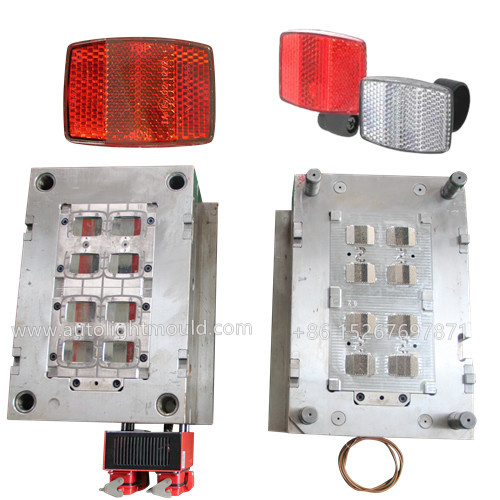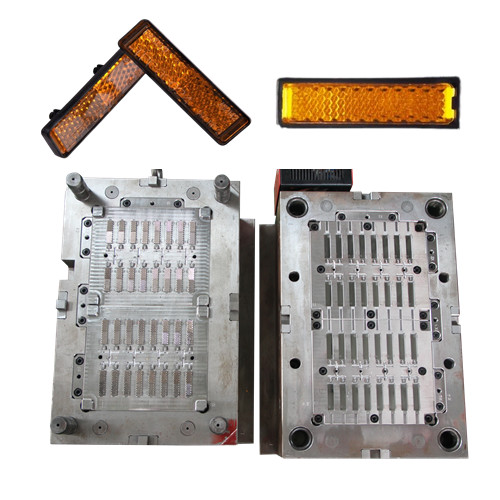
What Is An Optical Lens Mold?
2024-10-31
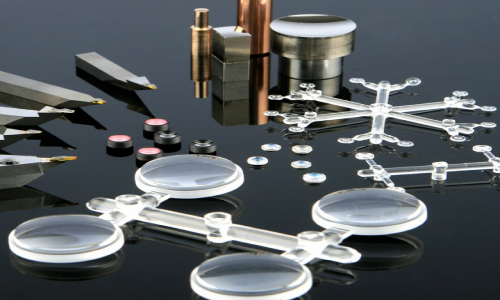
Optical lens molds play a crucial role in the production of lenses used in everything from eyewear to high precision scientific instruments. As demand for high quality optical lenses grows, understanding the intricacies of optical lens mold technology becomes essential. This article will explore what an optical lens mold is, its functions, types, manufacturing process, and why it is essential for producing precision lenses.
What Is an Optical Lens Mold?
An optical lens mold is a specially designed tool used in manufacturing optical lenses, enabling the production of lenses with precise shapes and optical properties. It is crafted with meticulous attention to detail, as even the smallest imperfections in the mold can result in faulty lenses with poor optical quality. The mold consists of two primary components, the cavity and core, which shape the front and back surfaces of the lens, respectively. These molds are commonly used in the production of lenses for eyeglasses, cameras, microscopes, smartphones, and other optical devices.
In addition to shaping the lens, the optics lens mould surface must be highly polished to achieve the optical clarity required for lenses. The material and manufacturing process used for the optics lens mould directly impact the quality, durability, and optical performance of the finished lenses. High quality molds ensure lenses with minimal aberrations and high transparency.
Functions of an Optical Lens Mold
An optical lens mold performs several critical functions in lens manufacturing:
Precision Shaping: The optics lens mould precisely defines the curvature, thickness, and other geometric properties of the lens, ensuring it meets specific design requirements. Accurate shaping is critical, as even minor deviations can lead to blurriness, distortion, or other optical flaws.
Surface Quality: A well polished optics lens mould is essential for high optical clarity. Smooth, defect free surfaces prevent light scattering, which is essential for high performance lenses.
Consistency in Mass Production: Using an optical lens mold allows for the consistent production of identical lenses, ensuring uniformity in mass production. This consistency is crucial for applications where lens quality and accuracy must be maintained across large batches.
Efficiency and Cost Effectiveness: Optical molds reduce the time and cost involved in producing high quality lenses by eliminating the need for additional polishing and adjustments.
Types of Optical Lens Molds
Optical lens molds vary based on the materials used and the types of lenses they are designed to produce. Common types include:
Glass Lens Molds: Typically used for high-precision lenses, glass lens molds are ideal for applications where temperature resistance, durability, and optical clarity are paramount. These molds are often used for lenses in scientific instruments, cameras, and high end eyeglasses.
Plastic Lens Molds: These molds are commonly used for producing lightweight lenses, especially in eyewear. Plastic lens molds are cost effective, making them ideal for mass produced lenses, such as sunglasses and corrective lenses.
Single Use Molds: In some cases, single use molds are used to create specific lens designs or prototypes. These molds are ideal for small production runs where customization is needed, such as experimental lenses in optical research.
Multi Cavity Molds: These molds feature multiple cavities that allow for the simultaneous production of several lenses. Multi cavity molds improve production efficiency and are typically used for smaller lenses, such as those in smartphone cameras or microscopes.
Aspheric Lens Molds: Aspheric lens molds are designed to produce lenses with complex, non-spherical shapes, reducing optical aberrations. These molds are widely used in camera lenses, high-end eyeglasses, and optical instruments where image quality is essential.
Materials Used in Optical Lens Molds
The choice of materials for an optical lens mold is vital, as it affects the mold’s durability, quality, and suitability for specific applications. Here are some commonly used materials:
High-Grade Steel: Steel is durable, highly polishable, and can withstand high pressures and temperatures. High grade steel molds are commonly used for both glass and plastic lenses, especially when durability is critical.
Ceramics: Ceramic molds are heat resistant and ideal for glass lens production, where high temperatures are involved. They offer excellent surface finish capabilities, which are essential for clear, distortion free lenses.
Alloys: Alloys like beryllium copper are used in molds requiring excellent thermal conductivity. These alloys help reduce cooling time, which increases production efficiency.
Silicone Rubber: Silicone rubber molds are sometimes used in prototyping and small production runs, especially for lenses with intricate details or unique shapes. Silicone molds are cost-effective but not as durable as metal or ceramic molds.
Manufacturing Process of Optical Lens Molds
Creating an optical lens mold involves a series of detailed processes, from design to polishing. Here’s a breakdown of the key steps:
Design and Engineering: The process begins with precise design work, which defines the specifications of the lens, including its curvature, thickness, and optical properties. Engineers use computer aided design (CAD) software to create a 3D model of the mold.
Mold Material Selection: Once the design is finalized, the appropriate material is selected based on the type of lens, production volume, and budget.
Machining: Advanced machining techniques, such as CNC (Computer Numerical Control) milling and electrical discharge machining (EDM), are used to create the mold components with high precision. CNC machining allows for intricate detailing on the mold surface, while EDM is useful for hard materials like steel.
Surface Polishing: The optics lens mould’s surface is polished to a high degree of smoothness. Polishing is critical for achieving optical clarity in the final product. For high end lenses, polishing may involve multiple steps and specialized polishing compounds.
Assembly: After polishing, the components of the optics lens mould are assembled and inspected for alignment and fit. The assembled mold is then tested for accuracy to ensure it meets the lens’s design specifications.
Testing and Quality Control: Before full scale production, the mold undergoes rigorous quality checks to identify any defects or deviations. Optical tests ensure that the mold will produce lenses with the desired properties.
Mass Production: Once the mold passes all quality checks, it is ready for mass production. The optics lens mould is installed in molding machines, where lens materials (glass or plastic) are heated and injected into the mold. The lenses are then cooled, removed, and further inspected before packaging.
Applications of Optical Lens Molds
Optical lens molds are essential across various industries where lenses are needed for visual clarity, magnification, or image precision. Some key applications include:
Eyewear: Optical molds produce prescription lenses, sunglasses, and safety glasses, ensuring high quality vision correction and protection.
Cameras and Photography Equipment: Molds for camera lenses must be extremely precise, as any deviation can affect image quality. This is especially important in high resolution cameras.
Medical Instruments: In medical devices like endoscopes, microscopes, and surgical tools, optical molds create lenses that provide clarity and magnification for medical procedures.
Automotive and Aerospace: Optical lens molds are used to create lenses for headlights, taillights, and instrumentation. In aerospace, they are used in navigational tools and vision systems that require clear, distortion free viewing.
Consumer Electronics: Lenses for smartphones, tablets, and other devices are manufactured using optical molds. These lenses are essential for high definition cameras and screens.
The Importance of High Quality Optical Lens Molds
High quality optical lens molds are essential to ensure that lenses meet strict optical standards and provide users with clear, distortion free vision. Precision in mold manufacturing directly impacts the quality of lenses, which is especially critical in fields like healthcare, automotive safety, and consumer electronics.
High quality optical lens molds are essential to ensure that lenses meet strict optical standards and provide users with clear, distortion free vision. Precision in mold manufacturing directly impacts the quality of lenses, which is especially critical in fields like healthcare, automotive safety, and consumer electronics.
In summary, optical lens molds are indispensable tools in the lens manufacturing process, allowing for the precise production of lenses across various industries. From shaping the lens to ensuring optical clarity, molds play a crucial role in creating high-performance lenses for medical, automotive, consumer electronics, and photographic applications. As technology advances, the demand for high quality lenses—and therefore, high quality optical lens molds—continues to grow, making them a fundamental part of modern manufacturing. Understanding what an optical lens mold is and how it contributes to the quality of lenses can help manufacturers, businesses, and end users appreciate the importance of precision in every lens they use.
Younger Mould is one of the most popular Chinese optical lens mould suppliers, who has earned a good reputation and position in the industry, gaining the trust and praise of numerous customers. If you are interested in our optics lens mould for automotive, please leave your contact information, and we will provide you with favorable quotations and optical lens molds services.
Motorcycle light mold
Why Do We Need An Auto Lamp Mould?
Related Article

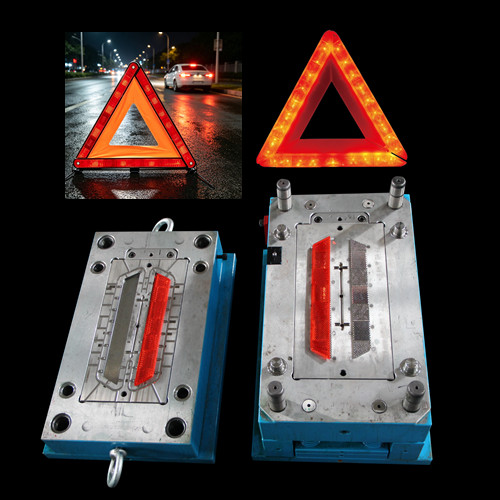
We are a professional mold manufacturer in Huangyan, China, specializing in high-precision injection molds for parking reflex reflectors and warning triangles. Our molds are made with durable steel for long service life, supporting custom designs and stable mass production to meet your automotive accessory manufacturing needs.
Parking reflex refletcor warning triangle mould