What Is SMC Injection Molding Used For?
2024-11-29
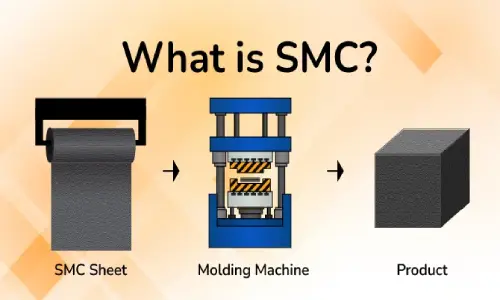
SMC injection molding, a technique that utilizes Sheet Molding Compound (SMC) as the raw material, is gaining popularity in various industries due to its superior mechanical properties, electrical insulation capabilities, and versatility. It is particularly suitable for the production of complex, high strength parts in sectors like automotive, electrical, and industrial applications.
What Is SMC Injection Molding?
SMC injection molding is a manufacturing process that uses Sheet Molding Compound (SMC), a fiber reinforced thermoset material, as the main raw material. Unlike other thermoplastic injection molding processes, SMC injection molding involves injecting the material into a mold cavity under heat and pressure, where it is cured and solidified into the desired shape.
SMC itself is composed of a mixture of polymer resin, inert fillers, fiber reinforcement (usually glass), catalysts, stabilizers, pigments, and release agents. The material is often pre formed into sheets that can be processed to achieve complex shapes. The glass reinforcement used in SMC offers exceptional strength and durability, making the material ideal for applications requiring high mechanical performance.
In SMC injection molding, the sheets of SMC are fed into an injection molding machine, where they are heated, softened, and then injected into the mold. The heat causes the thermoset resin to cure and harden, and the part is ejected once it has solidified. The result is a robust, dimensionally stable part with excellent mechanical and electrical properties.
The SMC Molding Process
The SMC molding process begins with the preparation of the Sheet Molding Compound itself. The SMC molding process involves several key steps that contribute to the final properties of the part:
Preparation of SMC Material
The SMC material is created by mixing polymer resin, inert fillers, fiber reinforcement (typically glass), and other additives like pigments, stabilizers, and curing agents. This mixture is spread onto a polyethylene or nylon film. Chopped glass fibers are randomly distributed on top of the paste to reinforce the material. The combination of resin and fibers gives SMC its strength and thermal stability. This material is then allowed to mature for about 48 hours to reach the optimal consistency.
Feeding the Material into the Molding Press
The SMC sheets, once matured, are loaded into the molding press. The molding press is a crucial piece of equipment in the SMC molding process, as it allows the material to be injected into the mold cavity under high pressure.
Injection and Curing
In SMC injection molding, the SMC material is preheated to a specific temperature to soften it and make it more flowable. The softened SMC is then injected into a pre heated mold cavity, typically made of steel. The mold is held under pressure to ensure the material fills the cavity completely, capturing the intricate details of the part’s design. The high pressure, coupled with the heat, causes the thermoset resin to cure, forming a solid, dimensionally stable part.
Cooling and Ejection
After the SMC material has cured, the mold is cooled, and the part solidifies. Once cooled, the mold is opened, and the part is ejected. At this stage, the part is fully formed, and secondary processes, such as trimming or surface finishing, may be required to remove excess material and improve the part’s appearance.
Advantages of SMC Injection Molding
SMC injection molding offers several distinct advantages over other manufacturing techniques, making it a preferred choice for many industries, especially in the production of complex, high-strength parts. Below are the key advantages of SMC injection molding:
Superior Mechanical Strength
One of the most significant advantages of SMC injection molding is its ability to produce parts with excellent mechanical strength. The fiber reinforcement in SMC provides high stiffness and durability, making it suitable for demanding applications, including automotive body panels, electrical housings, and industrial components.
One of the most significant advantages of SMC injection molding is its ability to produce parts with excellent mechanical strength. The fiber reinforcement in SMC provides high stiffness and durability, making it suitable for demanding applications, including automotive body panels, electrical housings, and industrial components.
Design Flexibility
SMC injection molding allows for the production of parts with complex geometries, intricate designs, and tight tolerances. The ability to create such detailed shapes makes SMC injection molding an ideal choice for industries requiring high precision components. Additionally, the material can be molded into thin-wall sections, enabling manufacturers to create lightweight yet strong parts.
SMC injection molding allows for the production of parts with complex geometries, intricate designs, and tight tolerances. The ability to create such detailed shapes makes SMC injection molding an ideal choice for industries requiring high precision components. Additionally, the material can be molded into thin-wall sections, enabling manufacturers to create lightweight yet strong parts.
Superior Electrical Insulation
Another key benefit of SMC injection molding is its excellent electrical insulation properties. The materia’s high dielectric strength makes it ideal for electrical components, such as circuit breakers, connectors, and insulators. It prevents the passage of electrical current, helping to protect sensitive electrical equipment and ensure safety.
Another key benefit of SMC injection molding is its excellent electrical insulation properties. The materia’s high dielectric strength makes it ideal for electrical components, such as circuit breakers, connectors, and insulators. It prevents the passage of electrical current, helping to protect sensitive electrical equipment and ensure safety.
High Resistance to Corrosion and Chemicals
The thermoset nature of SMC gives the final product excellent resistance to environmental factors, including corrosion, chemicals, and UV radiation. This makes SMC injection molding a suitable choice for outdoor applications and components exposed to harsh environments.
The thermoset nature of SMC gives the final product excellent resistance to environmental factors, including corrosion, chemicals, and UV radiation. This makes SMC injection molding a suitable choice for outdoor applications and components exposed to harsh environments.
Cost Effectiveness for Large Production Runs
The SMC molding process is highly cost-effective, especially for large production volumes. The mold costs for SMC injection molding are relatively lower than those for metal casting or some other molding processes. Additionally, the process is efficient, with high cycle times leading to faster production.
The SMC molding process is highly cost-effective, especially for large production volumes. The mold costs for SMC injection molding are relatively lower than those for metal casting or some other molding processes. Additionally, the process is efficient, with high cycle times leading to faster production.
Surface Finish
SMC can achieve an excellent surface finish, making it a great choice for applications where aesthetics are important. Automotive parts, for example, require a high quality surface to ensure that they are visually appealing. The SMC molding process produces parts with smooth, glossy finishes straight out of the mold, reducing the need for post production finishing.
SMC can achieve an excellent surface finish, making it a great choice for applications where aesthetics are important. Automotive parts, for example, require a high quality surface to ensure that they are visually appealing. The SMC molding process produces parts with smooth, glossy finishes straight out of the mold, reducing the need for post production finishing.
SMC Injection Molding vs. SMC Compression Molding
While SMC injection molding and SMC compression molding both utilize Sheet Molding Compound, there are some key differences between the two processes. Understanding these differences is important for manufacturers to choose the right method for their specific application.
Molding Process
In SMC compression molding, the SMC material is placed manually into a mold cavity, and the mold is closed under pressure to compress and shape the material. SMC injection molding, on the other hand, involves the material being injected into the mold cavity under high pressure, allowing for faster production times and better material flow, which is ideal for complex geometries.
In SMC compression molding, the SMC material is placed manually into a mold cavity, and the mold is closed under pressure to compress and shape the material. SMC injection molding, on the other hand, involves the material being injected into the mold cavity under high pressure, allowing for faster production times and better material flow, which is ideal for complex geometries.
Cycle Time
SMC injection molding generally has shorter cycle times compared to SMC compression molding, making it more suitable for high-volume production. The injection process is automatic, which reduces labor costs and increases production efficiency.
SMC injection molding generally has shorter cycle times compared to SMC compression molding, making it more suitable for high-volume production. The injection process is automatic, which reduces labor costs and increases production efficiency.
Material Flow
SMC injection molding allows the material to flow more freely into the mold cavity, ensuring that even intricate features and fine details are captured. SMC compression molding, while effective for simpler parts, may not provide the same level of detail and accuracy in complex parts.
SMC injection molding allows the material to flow more freely into the mold cavity, ensuring that even intricate features and fine details are captured. SMC compression molding, while effective for simpler parts, may not provide the same level of detail and accuracy in complex parts.
Flexibility in Part Design
SMC injection molding offers greater flexibility when it comes to designing parts with complex shapes and thin walls, as the material can flow more easily into detailed cavities. SMC compression molding may have limitations in terms of design complexity, especially for parts with intricate features.
SMC injection molding offers greater flexibility when it comes to designing parts with complex shapes and thin walls, as the material can flow more easily into detailed cavities. SMC compression molding may have limitations in terms of design complexity, especially for parts with intricate features.
What Is SMC Injection Molding Used For?
SMC injection molding is used in a variety of applications, particularly where high strength, electrical insulation, and durability are required. Some of the most common uses include:
Automotive Parts
SMC injection molding is widely used in the automotive industry for producing body panels, engine components, and structural parts. The material's strength to weight ratio and ability to withstand environmental factors make it ideal for vehicles.
SMC injection molding is widely used in the automotive industry for producing body panels, engine components, and structural parts. The material's strength to weight ratio and ability to withstand environmental factors make it ideal for vehicles.
Electrical Components
SMC is used to make components such as electrical enclosures, connectors, and insulators. Its excellent electrical insulation properties make it an essential material for protecting electrical systems.
SMC is used to make components such as electrical enclosures, connectors, and insulators. Its excellent electrical insulation properties make it an essential material for protecting electrical systems.
Industrial Components
SMC injection molding is also used to produce high-strength components for industrial machinery, including housings, covers, and other structural parts that need to withstand heavy loads and harsh conditions.
SMC injection molding is also used to produce high-strength components for industrial machinery, including housings, covers, and other structural parts that need to withstand heavy loads and harsh conditions.
Consumer Goods
SMC is used in the production of consumer goods such as appliances, power tools, and decorative panels. Its durability and aesthetic qualities make it a suitable material for a variety of products.
SMC is used in the production of consumer goods such as appliances, power tools, and decorative panels. Its durability and aesthetic qualities make it a suitable material for a variety of products.
SMC injection molding is a highly versatile and efficient manufacturing process, offering numerous advantages including high strength, electrical insulation, and design flexibility. Whether used for automotive parts, electrical components, or industrial applications, SMC injection molding is a reliable method for producing complex, high performance parts. Understanding the SMC molding process, its advantages, and its comparison with other molding techniques like SMC compression molding can help manufacturers select the right process for their specific needs, leading to improved product quality and greater cost efficiency.
Younger Mould is one of the most popular Chinese smc compression molding suppliers, who has earned a good reputation and position in the industry, gaining the trust and praise of numerous customers. If you are interested in our smc molding process for automotive, please leave your contact information, and we will provide you with favorable quotations and smc moulding press services.
Why Does Motorcycle Need A Mold?
The Process Of BMC Compression Molding
Related Article

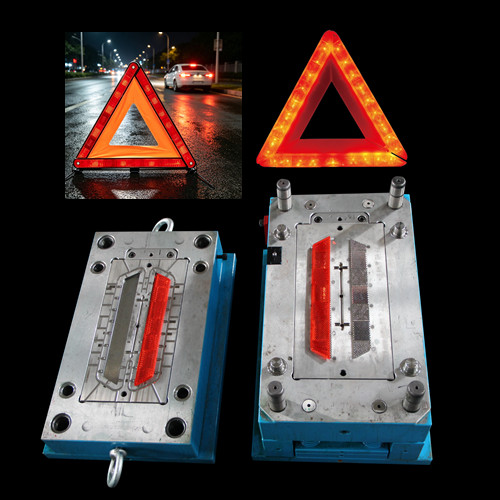
We are a professional mold manufacturer in Huangyan, China, specializing in high-precision injection molds for parking reflex reflectors and warning triangles. Our molds are made with durable steel for long service life, supporting custom designs and stable mass production to meet your automotive accessory manufacturing needs.
Parking reflex refletcor warning triangle mould