What Is the Purpose of Molding?
In today's manufacturing world, molding plays a foundational role in shaping everything from automotive components and electronic casings to medical devices and consumer products. But what exactly is the purpose of molding , and why is it such a crucial process across industries?
Understanding the Fundamental Purpose of Molding
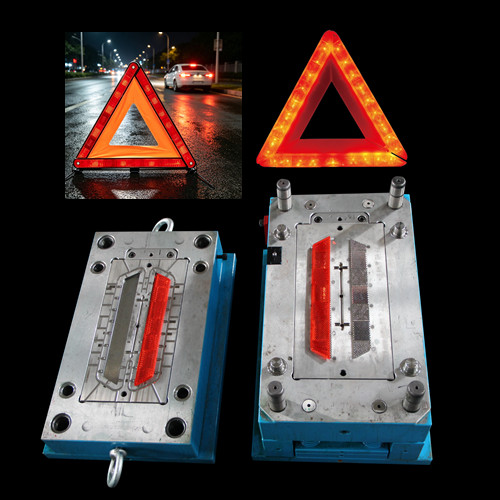
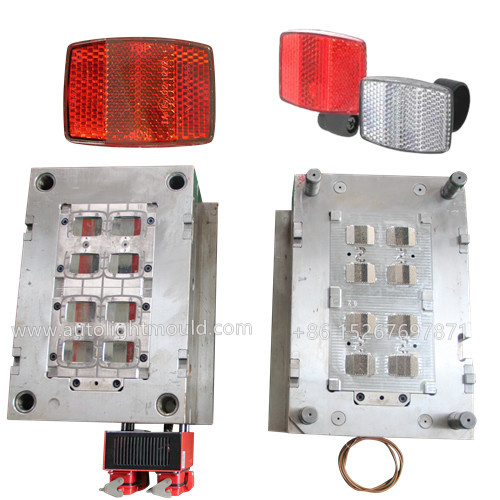
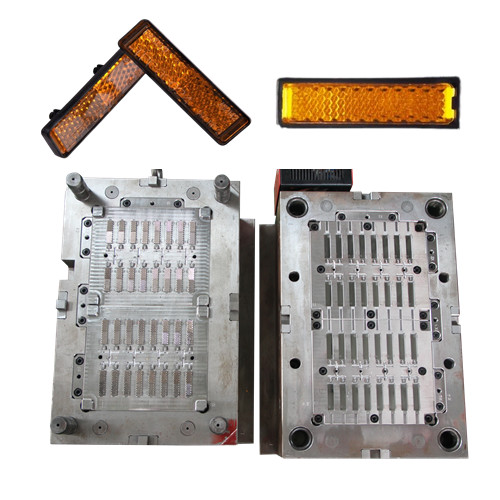
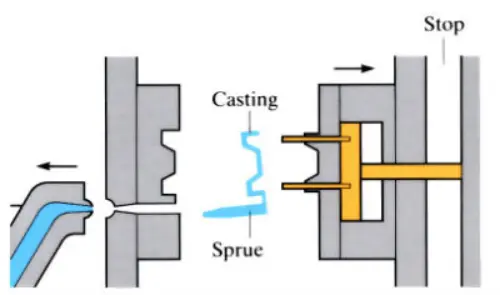
At its most basic level, molding refers to the process of shaping liquid or pliable raw material using a rigid frame or mold cavity . Once the material solidifies, the resulting part maintains the exact shape of the mold. This method allows manufacturers to produce identical parts with high precision and repeatability.
The purpose of molding goes beyond just shaping materials — it enables mass production, reduces waste, ensures design consistency, lowers per-unit costs, and supports the creation of complex shapes that would be difficult to achieve through other methods.
From plastics to metals, aluminum die casting mould supports a wide range of materials and applications — making it indispensable in industrial manufacturing.
How Does Molding Work? An Overview of Common Molding Processes
There are many types of molding , each suited for different materials and production goals. Below are some of the most widely used techniques:
1. Injection Molding
Used primarily for thermoplastics and thermosets, injection molding involves injecting molten material into a closed mold under high pressure. It's ideal for high-volume production of complex parts.
2. Blow Molding
Commonly used for hollow plastic items like bottles and containers, this process uses air pressure to inflate softened plastic into the desired shape.
3. Compression Molding
Frequently used for rubber and thermoset plastics, compression molding involves placing material directly into the mold cavity before applying heat and pressure.
4. Die Casting (Especially Aluminum Die Casting Mold)
A highly efficient metal forming process, die casting involves forcing molten metal into a mold cavity under high pressure. It's especially popular for producing aluminum die casting mold parts due to aluminum's lightweight and corrosion resistant properties.
The Role of Aluminum Die Casting Mold in Modern Manufacturing
Among the many types of molds, aluminum die casting mould stands out for its balance of performance, cost, and versatility. Aluminum is one of the most commonly used metals in die casting due to its excellent thermal conductivity, dimensional stability, and ease of machining.
Why Use an Aluminum Die Casting Mold?
Lightweight yet Durable : Ideal for industries requiring strength without added weight
Corrosion Resistance : Suitable for outdoor or moisture-prone environments
Thermal Conductivity : Useful in electronics and LED lighting applications
High Precision and Surface Finish : Reduces the need for secondary operations
These advantages make aluminum die casting mould particularly valuable in sectors such as automotive, aerospace, telecommunications, and consumer electronics.
Automotive Die Casting Mold: Powering the Future of Vehicle Manufacturing
The automotive industry is one of the largest consumers of die casting mold technology, especially in the form of automotive die casting mold . These molds are used to create engine blocks, transmission cases, cylinder heads, intake manifolds, and various structural components.
Benefits of Using Automotive Die Casting Mold
Weight Reduction : Helps improve fuel efficiency and reduce emissions
Durability and Performance : Supports high-stress applications under extreme conditions
Integration of Complex Features : Allows for multi-functional components in fewer parts
Cost Efficiency in Mass Production : Justifies the high initial tooling investment through economies of scale
With the rise of electric vehicles (EVs), demand for automotive die casting mold has grown even further, as EVs require lightweight, high strength components to optimize battery performance and overall efficiency.
Why Choose China Die Casting Mold for Global Manufacturing Needs
As global supply chains evolve, China die casting mold has become a go-to solution for companies looking to source high-quality molds at competitive prices. Chinese manufacturers have developed advanced capabilities in mold design, CNC machining, and surface treatment technologies — making them key players in the international market.
Advantages of China Die Casting Mold
Competitive Pricing Without Compromising Quality
Advanced Manufacturing Infrastructure
Fast Turnaround Times for Prototyping and Production
Wide Range of Material and Process Options
Customization Capabilities for Unique Product Requirements
Many international businesses partner with Chinese mold makers to develop both prototype and full scale production molds, including die cast mold systems tailored to specific industries.
Exploring the Die Cast Mold Lifecycle and Maintenance
To ensure consistent quality and longevity, understanding the lifecycle of a die cast mold is essential. Here's a breakdown of the typical stages:
1. Mold Design and Engineering
Based on product specifications and material requirements, engineers develop detailed 3D models and simulate casting behavior to optimize flow, cooling, and shrinkage.
2. Machining and Fabrication
Using CNC milling, EDM (electrical discharge machining), and other precision tools, the mold is built to exact tolerances. For aluminum die casting mold , special attention is given to thermal management and wear resistance.
3. Testing and Trial Runs
Before full production begins, trial runs are conducted to identify defects, adjust parameters, and validate part quality.
4. Production Phase
Once approved, the mold enters mass production. Depending on usage and maintenance, a well-designed die cast mold can last for hundreds of thousands of cycles.
5. Maintenance and Repair
Regular cleaning, inspection, and minor repairs help extend mold life and prevent costly downtime. Preventive maintenance schedules are crucial for long-term reliability.
Innovations in Die Cast Mold Technology
Technological advancements continue to enhance the performance and efficiency of aluminum die casting mould systems. Some notable innovations include:
1. Simulation Software
Modern simulation tools allow engineers to predict casting behavior, optimize gate placement, and reduce defects — all before the mold is built.
2. Additive Manufacturing for Mold Inserts
3D printing is being used to create conformal cooling channels and complex mold inserts that improve cycle time and part quality.
3. Smart Molds with Sensors
Embedded sensors monitor temperature, pressure, and wear in real-time, enabling predictive maintenance and better process control.
4. Automated Die Casting Cells
Robotic integration improves consistency, reduces labor costs, and enhances safety in high-speed production environments.
Environmental and Economic Considerations in Molding
As sustainability becomes a growing concern, the molding industry is adapting to meet environmental standards and reduce waste. Many companies are adopting practices such as:
Recycling of scrap metal and plastic
Energy efficient furnaces and presses
Reduced material usage through optimized design
Longer mold life through advanced coatings and maintenance
Economically, investing in high-quality die cast mold systems can lead to significant savings over time — especially when paired with strategic sourcing from reliable suppliers of China die casting mold and related services.
In summary, the purpose of molding extends far beyond simply shaping materials — it enables precise, repeatable, and scalable production across industries. Whether you're using aluminum die casting mold for lightweight automotive parts, working with automotive die casting mold for engine components, or sourcing China die casting mold for cost-effective manufacturing, understanding the fundamentals of molding helps drive smarter decision-making.
By leveraging the right type of die cast mold , following best practices in design and maintenance, and staying updated on technological advancements, manufacturers can achieve higher productivity, better quality, and improved sustainability.
Whether you're a product engineer, procurement manager, or business owner exploring new manufacturing strategies, recognizing the value of molding — and the role of specialized molds like aluminum die casting mold — will empower you to make informed choices that support your production goals.
Younger Mould is recognized as one of the leading global manufacturers of aluminum die casting mold, renowned for our superior quality, innovative engineering, and trusted industry reputation. With a steadfast commitment to excellence, we have established enduring partnerships with clients worldwide. If you're in need of high quality china die casting mold for motorcycle, we invite you to leave your contact information. Our dedicated team will offer you competitive pricing and tailored solutions to meet your unique requirements.
How to Make Die Cast Molds?
Why Is Injection Mold So Expensive?
Related Article