Which Comes First, Mold or Cast?
When it comes to the question, “Which comes first, mold or cast?”—the answer is clear: the mold always comes first. It is the foundation upon which every cast or molded product is created. In the automotive lighting industry, the precision and quality of molds directly determine the safety, performance, and visual appeal of the final product.
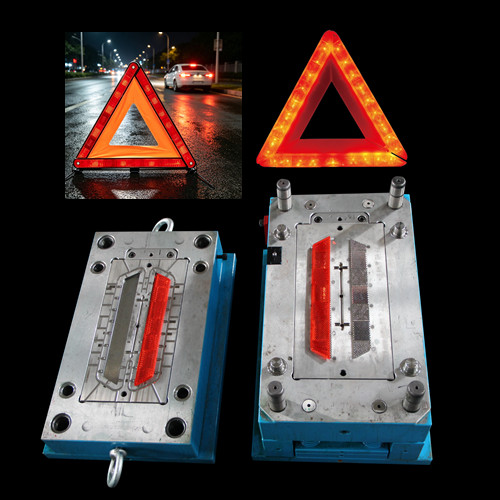
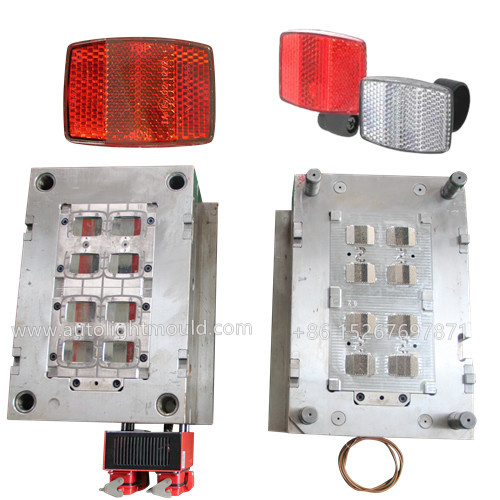
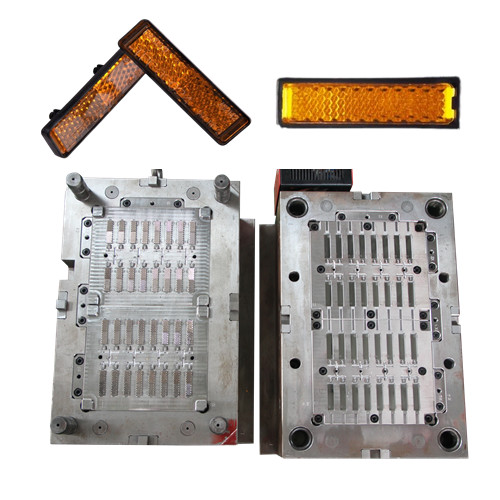
Younger Mould, one of China's leading manufacturers, stands at the forefront of this field with its expertise in rear reflector mold, reflector mould, and pedal reflector mold production. By combining advanced design software, precision machining, and stringent quality control, Younger Mould ensures each reflector mold delivers optical excellence and long-term reliability.
Whether for automotive rear lights, bicycle reflectors, or custom lighting systems, Younger Mould provides comprehensive solutions that meet the evolving needs of modern vehicle design—turning every reflection into a symbol of safety and precision engineering.
Chapter 1: What Comes First — Mold or Cast in Manufacturing?
When discussing manufacturing processes, one common question often arises: Which comes first, the mold or the cast? In essence, the mold always comes first. A mold is a precise tool or cavity that shapes molten or liquid material into a specific form, while the cast is the final product created using that mold.
To understand this relationship better, it helps to explore how these processes apply in automotive manufacturing—especially in the design and production of rear reflector mold, reflector mould, and pedal reflector mold.
1.1 Understanding the Basic Difference
A mold is a negative form or hollow structure designed to shape a material. It determines the final geometry, surface texture, and dimensional accuracy of the product.
A cast, on the other hand, is the result of pouring liquid material—such as molten metal or plastic—into the mold. Once cooled or solidified, it takes the exact shape of the cavity.
1.2 Why the Mold Always Comes First
In every industrial process, the mold is created before casting begins. The mold defines the precision, functionality, and performance of the casted component. Without a perfectly engineered mold, no consistent or high-quality casting can be achieved.
1.3 The Importance of Mold Precision in Automotive Components
In the automotive industry, reflector components like tail reflectors, side reflectors, and pedal reflectors require complex geometries to properly diffuse light. These designs can only be achieved using high-precision reflector moulds. That's why Younger Mould, a leading manufacturer in China, invests heavily in advanced CNC machining, EDM technology, and polishing systems to ensure that every rear reflector mold delivers optical perfection.
1.4 Younger Mould's Role in Professional Mold Development
With decades of experience, Younger Mould has become an industry leader in the production of molds for automotive lighting and safety reflectors. Their engineering team provides complete mold solutions—from design simulation to testing—ensuring the final reflector products meet international standards for brightness, reflection angle, and durability.
Chapter 2: How Are Rear Reflector Molds Designed and Manufactured?
2.1 Product Design and Optical Analysis
The first step is to analyze the reflector's optical function. Reflectors must scatter light in specific angles to meet regulatory safety standards. Engineers at Younger Mould use professional simulation software to design the reflector geometry and ensure even light dispersion.
2.2 Mold Design and Material Selection
After the product design is confirmed, the next phase is the mould design. For reflector moulds, high-grade tool steel such as 718H or S136 is typically used. These materials are chosen for their high hardness, excellent polishability, and resistance to corrosion—important for achieving a flawless mirror surface inside the mold.
2.3 Precision Machining and EDM Processing
The optical surface of the reflector mold must be extremely smooth. Younger Mould uses precision CNC milling, EDM (Electrical Discharge Machining), and high-speed engraving to shape every micro-feature of the reflector surface. Any minor error could affect how light reflects or refracts through the final plastic part.
2.4 Polishing and Surface Treatment
Polishing is one of the most critical steps in rear reflector mold manufacturing. Reflectors require a high-gloss surface to optimize brightness. Younger Mould's polishing team ensures that the cavity surfaces reach a mirror-like finish, using diamond paste and ultra-fine polishing tools.
2.5 Mold Assembly and Trial Production
Once machining and polishing are complete, the mold is assembled and mounted on an injection machine for testing. Trial production helps evaluate parameters like injection pressure, cooling rate, and demolding performance. Any minor imperfections are corrected during this stage before final delivery to clients.
Chapter 3: What Are the Different Types of Reflector Moulds Used in Automotive Applications?
3.1 Rear Reflector Mold — Safety and Aesthetics Combined
A rear reflector mold is designed to produce the red reflectors commonly seen on the rear bumper or tail light assembly of vehicles. These reflectors help other drivers gauge the distance and position of a vehicle at night.
Younger Mould's rear reflector molds are developed with meticulous optical precision to ensure even reflection patterns. Their expertise ensures that every reflector meets both functional and aesthetic requirements, fitting seamlessly into the vehicle's overall lighting design.
3.2 Pedal Reflector Mold — Enhancing Bicycle and Motorcycle Safety
The pedal reflector mold is used to produce small but crucial reflectors installed on bicycle or motorcycle pedals. These reflectors improve rider visibility from multiple angles. Because of their small size, the mold must be designed with micro-level precision. Younger Mould's engineering team employs fine EDM and texturing processes to create clear and durable pedal reflectors with consistent reflective performance.
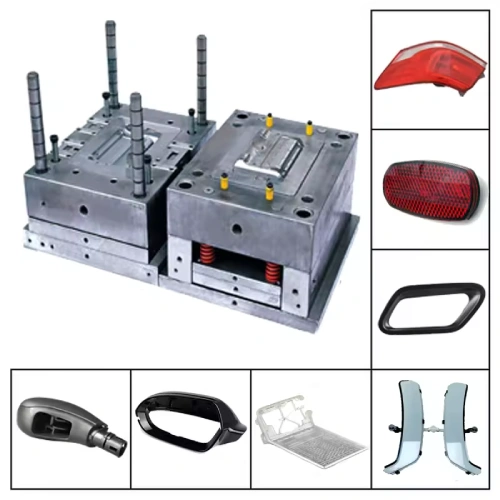
3.3 Multi-Function Reflector Moulds
Modern vehicles often integrate reflectors with decorative lighting or trim features. This requires multi-functional reflector moulds capable of producing parts that combine reflective and transparent zones. Younger Mould designs these molds with interchangeable cores to support multiple reflector shapes and functions, reducing production time and cost.
3.4 Two-Color Reflector Moulding Possibilities
In advanced applications, two-color injection technology is also used in reflector design. For instance, combining red and clear plastics can create stylish visual effects. Younger Mould offers customization in two-color reflector moulds to meet different design requirements for automotive manufacturers.
Chapter 4: How to Maintain and Extend the Life of Reflector Moulds?
4.1 Routine Cleaning and Inspection
After each production cycle, clean the mold cavity to remove any residual plastic, dust, or carbon buildup. Use non-abrasive cleaners to protect the mirror-finish surfaces. Regular inspection helps detect early wear or damage.
4.2 Temperature and Pressure Management
Improper temperature control or high injection pressure can cause internal stress and deformation. Younger Mould's reflector molds are designed with optimized cooling channels and balanced pressure systems to ensure stable production and long-term durability.
4.3 Lubrication and Anti-Rust Protection
All moving parts—such as ejector pins and slides—should be lubricated to prevent wear. During long-term storage, the mold should be coated with anti-rust oil and stored in a controlled environment.
4.4 Periodic Professional Maintenance
Send the mold for professional servicing after several production cycles. Younger Mould provides after-sales services such as re-polishing, part replacement, and structural optimization to help clients maintain optimal mold performance.
FAQ: Common Questions About Rear Reflector Mold and Casting Process
Q1: What is the main difference between mold and cast?
The mold is the shaping tool, while the cast is the actual product formed using that tool. The mold always comes first in the manufacturing process.
Q2: Why are reflector molds so complex?
Reflector molds require precision optical design to ensure proper light reflection and safety compliance. Even a minor surface defect can reduce the reflector's brightness.
Q3: Can one mold produce multiple reflector types?
Yes. With modular and interchangeable core designs, one mold can be adapted to create different reflector models efficiently.
Q4: What materials are used to make reflectors?
Reflectors are commonly made from polycarbonate (PC) or acrylic (PMMA), known for their high transparency and impact resistance.
Q5: How does Younger Mould ensure the quality of its molds?
Younger Mould uses advanced CNC machining, Moldflow simulation, and 3D measurement systems to ensure precision and consistency in every rear reflector mold, reflector mould, and pedal reflector mold they produce.
Younger Mould is a premier rear reflector mold manufacturer in China, dedicated to delivering high precision reflector mould solutions. Renowned for innovation, accuracy, and dependable performance, we offer fully customized mold services tailored to the unique requirements of international clients. Backed by a skilled engineering team and cutting-edge technology, every pedal reflector mold we produce ensures exceptional dimensional accuracy, consistent output, and rapid lead times—empowering manufacturers to optimize efficiency while maintaining uncompromising quality.
Is Die Casting Cheaper Than CNC?
What Is a Spoke Reflector Mould?
Related Article