Which is Cheaper: Injection Molding or 3D Printing?
2025-03-31
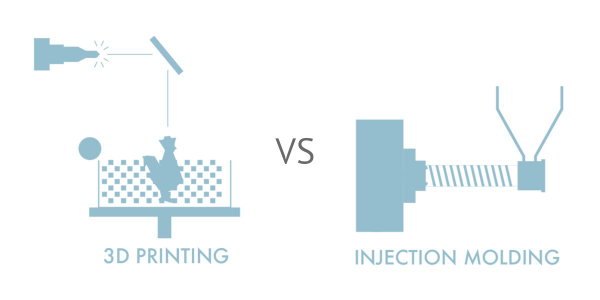
When it comes to manufacturing, cost efficiency is a major deciding factor in choosing the right production method. Two of the most commonly compared techniques are injection molding and 3D printing, each with its advantages and limitations. While injection molding is the industry standard for mass production, 3D printing is revolutionizing rapid prototype manufacturing and low volume production with rapid 3D technologies.
1. Cost Structure of Injection Molding
Injection molding is a traditional manufacturing process used for large scale plastic part production. The process involves melting plastic resin and injecting it into a mold, where it cools and solidifies into the desired shape.
Factors Affecting Injection Molding Costs
Mold Cost: The initial investment in mold tooling is significant, especially for complex parts. High precision aluminum rapid prototyping molds can reduce costs for short production runs compared to steel molds.
Material Cost: Injection molding typically uses thermoplastics, which are relatively inexpensive when purchased in bulk.
Production Volume: The cost per unit decreases significantly with larger production volumes due to the high speed nature of injection molding.
Setup and Labor: Once the mold is created, production is highly automated, reducing labor costs compared to other methods.
Post Processing: Injection-molded parts generally require minimal post processing, saving additional costs compared to 3D printing.
Cost Breakdown of Injection Molding
Initial mold cost: $5,000 – $100,000 (depending on material and complexity)
Cost per part (high volume): $0.10 – $5 per unit
Production time: 10 – 30 seconds per part
For high volume manufacturing, injection molding is significantly cheaper per unit after the initial mold investment. However, for low production runs, the high upfront cost makes it less economical.
2. Cost Structure of 3D Printing
3D printing, or additive manufacturing, builds parts layer by layer, making it ideal for rapid prototype manufacturing and low-volume production. Rapid 3D technologies enable the quick creation of complex designs without the need for expensive molds.
Factors Affecting 3D Printing Costs
No Mold Requirement: Unlike injection molding, 3D printing eliminates the need for costly molds, making it cost effective for small batches.
Material Costs: 3D printing materials, such as resins and filaments, can be expensive, especially for high performance engineering grade materials.
Production Speed: Printing time varies depending on part complexity, size, and resolution, affecting labor and machine time costs.
Post Processing Needs: Many rapid 3D technologies require post processing, such as sanding, painting, or additional curing, adding to the cost.
Machine and Labor Costs: The cost of running 3D printers depends on the technology used (FDM, SLA, SLS, etc.), with industrial printers being more expensive than desktop models.
Cost Breakdown of 3D Printing
Machine and material cost per part: $1 – $100 per unit
Production time per part: 30 minutes – several hours
Post processing cost: Varies based on surface finish and material requirements
For low volume production, 3D printing is a cheaper and faster alternative due to the absence of mold costs. However, for large production runs, the per unit cost is higher compared to injection molding.
3. Comparing Costs: When is Each Method Cheaper?
Low Volume Production (1 – 1,000 Parts)
Winner: 3D Printing
Without the need for mold tooling, 3D printing is more cost effective for prototyping and short production runs.
Example: A company using rapid 3D technologies can produce small batches of custom parts without investing in expensive molds.
Mid Volume Production (1,000 – 10,000 Parts)
Winner: It Depends
If aluminum rapid prototyping molds are used, injection molding becomes more economical.
For complex geometries requiring frequent design changes, 3D printing remains cost effective.
High Volume Production (10,000+ Parts)
Winner: Injection Molding
The high initial cost of injection molding is offset by the low cost per part in mass production.
Example: A manufacturer producing thousands of consumer goods benefits from injection molding due to reduced per-unit costs.
4. The Role of Aluminum Rapid Prototyping in Cost Reduction
Aluminum rapid prototyping bridges the gap between 3D printing and full scale injection molding. By using aluminum instead of steel for mold production, manufacturers can achieve:
Lower Mold Costs: Aluminum molds are 30-50% cheaper than steel molds.
Faster Lead Times: Aluminum tooling can be produced in weeks instead of months.
Ideal for Mid Volume Production: It reduces per unit costs without the high initial investment of steel molds.
Many companies use aluminum rapid prototyping to test and refine designs before committing to full scale steel molds for mass production.
5. Choosing the Right Method for Cost Efficiency
Which One to Choose?
Use injection molding if you need high volume production with consistent quality.
Choose 3D printing for rapid prototype manufacturing, low-volume production, or complex, custom designs.
The decision between injection molding and 3D printing depends on several factors, including production volume, material requirements, and budget constraints.
For rapid prototype manufacturing: 3D printing is the clear winner, offering flexibility and speed without expensive mold costs.
For small to mid volume production: Rapid 3D technologies combined with aluminum rapid prototyping offer a cost effective solution.
For mass production: Injection molding is the most economical due to its low per-unit costs after the initial mold investment.
Additional Considerations
Customization Needs: If product customization is important, 3D printing provides flexibility without added costs.
Material Selection: Some high-performance materials are more suited to injection molding due to strength and durability factors.
Time Constraints: If speed is a priority, rapid prototype manufacturing using 3D printing is faster than waiting for injection mold tooling.
In summary, while 3D printing is cheaper for short runs and prototyping, injection molding remains the dominant choice for large-scale manufacturing. Businesses should evaluate their specific needs to determine the most cost-efficient method for their production goals.
Younger Mould is a leading rapid 3d technologies manufacturer in China, widely recognized for its excellence and trusted reputation in the industry. With a strong commitment to quality and innovation, we have earned the trust and appreciation of numerous customers. If you are interested in our aluminum rapid prototyping, please leave your contact information. Our team will provide you with competitive quotes and outstanding rapid prototype manufacturing service tailored to your requirements.
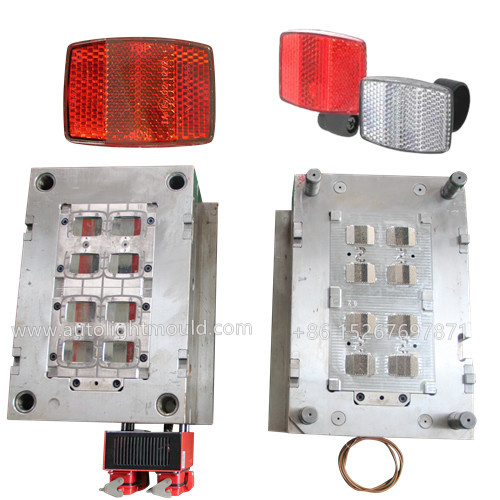
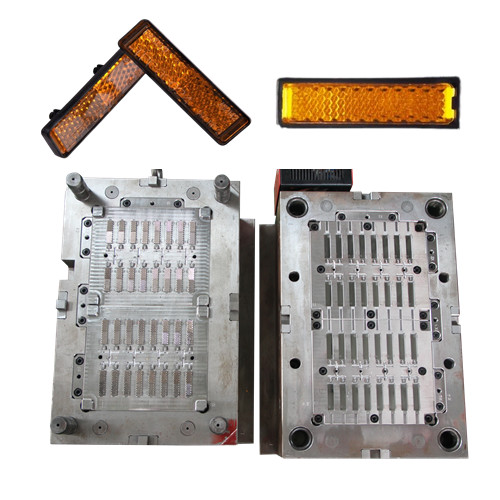
Mould for bicycle pedal reflector mould ready to delivery
How Long Does Plastic Injection Molding Take?
Related Article

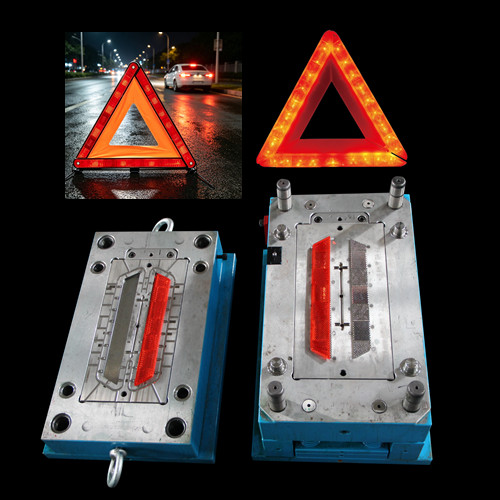
We are a professional mold manufacturer in Huangyan, China, specializing in high-precision injection molds for parking reflex reflectors and warning triangles. Our molds are made with durable steel for long service life, supporting custom designs and stable mass production to meet your automotive accessory manufacturing needs.
Parking reflex refletcor warning triangle mould