Which Mold Is Used In A Motorcycle Headlight?
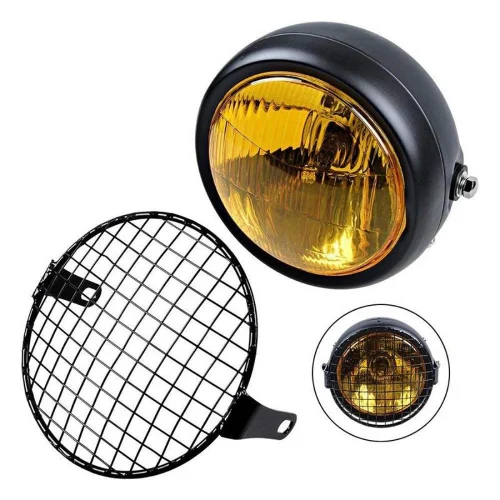
Motorcycle headlights are not only vital for the safety of riders but also serve as a key design element that contributes to the overall aesthetics of the bike. These headlights must meet high standards of durability, precision, and functionality, which is why the manufacturing process plays a crucial role. One of the most important components in the production of a motorcycle headlight is the mold for motorcycle head light.
The Importance of Motorcycle Headlights
Before delving into the specific molds used in headlight manufacturing, it's important to understand why motorcycle headlights are so critical. Motorcycle headlights are responsible for illuminating the road ahead, ensuring the rider's visibility, and helping other drivers see the motorcyclist, especially in low-light conditions.
In addition to their functional role, motorcycle headlights are also part of the bike's design. The shape, size, and type of the headlight can significantly affect the bike's overall look. This dual responsibility—functionality and aesthetics—requires high precision in the production process, which is where the mold for motorcycle head light comes into play.
What Is a mold for motorcycle head light?
A mold for motorcycle head light is a specialized tool used to shape the various components of the headlight, such as the housing, lens, reflectors, and sometimes even the inner wiring components. These molds are typically made from metal, often steel or aluminum, and are used in conjunction with injection molding techniques to create high-quality plastic parts.
Motorcycle headlights are generally composed of several key elements:
Housing: The outer shell that protects the internal components of the headlight.
Lens: The transparent cover that allows light to pass through.
Reflector: A component that helps direct the light emitted by the bulb in a specific direction.
Mounting Bracket: A part used to attach the headlight securely to the motorcycle frame.
Each of these components requires its own mold or a multi-component mold, and the mold for motorcycle head light is designed to meet the specific requirements of each part.
Types of Molds Used in Motorcycle Headlight Manufacturing
There are several different types of molds used in the production of motorcycle headlights, each tailored to a particular component of the headlight. The most common molding techniques used are injection molding, compression molding, and blow molding. Let's explore these methods in more detail.
1. Injection Molding
Injection molding is by far the most common technique used to create the various components of motorcycle headlights. In this process, plastic or other materials are heated until they become molten, after which they are injected into a mold cavity under high pressure. Once the material cools, it solidifies and takes the shape of the mold.
For a mold for motorcycle head light, injection molding is used for producing the lens, housing, and other plastic components. The advantage of this method is its ability to produce complex shapes with high precision. It also allows for high-volume production, making it ideal for manufacturing headlights in large quantities.
2. Compression Molding
Compression molding is used less frequently than injection molding but is still an important technique in some cases, particularly for certain rubber components such as seals or gaskets around the headlight lens. In this method, a preheated material is placed into a mold cavity, and then the mold is closed with pressure applied to shape the material.
For motorcycle headlights, compression molding may be used for the production of components that need to withstand extreme heat or vibrations, such as sealing gaskets.
3. Blow Molding
Blow molding is primarily used for the production of hollow plastic components, and while it is less common in motorcycle headlight production, it can still be used for certain parts like the lens or housing if they require a hollow structure. The process involves heating a plastic tube until it becomes soft, and then using air pressure to expand it inside a mold, forming the desired shape.
Blow molding can be advantageous for creating lightweight components, but due to its complexity, it is generally reserved for certain parts of the headlight design.
Factors Influencing the Design of a mold for motorcycle head light
Designing a mold for motorcycle head light is a highly specialized process that involves considering multiple factors to ensure the final product meets the necessary functional, aesthetic, and regulatory standards.
1. Precision and Accuracy
Motorcycle headlights must be precise in their design to ensure proper light distribution, safety, and durability. The mold for motorcycle head light must therefore be created with extreme accuracy, especially when it comes to the reflector and lens components. Any minor flaws in the mold can result in imperfect parts that may affect the headlight's performance, such as improper light distribution or weak spots that could lead to breakage.
2. Material Selection
The materials used in the mold for motorcycle head light are crucial to the final product's strength, clarity, and longevity. For example, polycarbonate is a commonly used material for motorcycle headlight lenses because of its strength and impact resistance. Similarly, the housing may be made from ABS or other durable plastics that can withstand harsh weather conditions.
Choosing the right material for both the mold and the components is key to ensuring the headlight meets the required standards of durability and performance.
3. Complexity of Design
Modern motorcycle headlights often feature complex, multi-layered designs with various internal elements like reflectors and diffusers. The mold for motorcycle head light must be able to accommodate these complex designs while still maintaining the precision needed to produce high-quality parts. Multi-component molds are often used to produce the headlight housing, lens, and reflectors simultaneously, improving efficiency and reducing the need for additional assembly steps.
4. Heat Resistance
Motorcycle headlights are subjected to high temperatures due to the heat generated by the light bulb or LED, especially when the bike is in use for long periods. The mold for motorcycle head light must therefore be designed with materials that can withstand these high temperatures and ensure the longevity of the components.
The Future of Motorcycle Headlight Molding
As motorcycle technology continues to evolve, so too does the need for advanced headlight designs and molding techniques. With the increasing use of LED technology and the growing demand for more energy-efficient lighting, the design and materials used for motorcycle headlights are constantly being improved.
1. LED and Adaptive Lighting
The shift towards LED technology in motorcycle headlights has created a need for more precise and intricate molds. LED lights are not only more energy-efficient but also allow for more compact designs. The molds used for these advanced headlights need to accommodate the smaller size and unique shapes of LED components while ensuring proper heat dissipation and light distribution.
Adaptive lighting systems that automatically adjust the light direction based on the bike's speed or lean angle are also becoming more common. These systems require even more precise molds to ensure proper alignment and functionality.
2. Sustainability and Eco Friendly Materials
As the automotive and motorcycle industries focus more on sustainability, there is a growing demand for eco-friendly materials in headlight production. Manufacturers are exploring biodegradable plastics, recycled materials, and other sustainable options for both the mold and the components themselves. The mold for motorcycle head light will likely evolve to accommodate these new materials, requiring innovations in both mold design and production techniques.
The mold for motorcycle head light is a crucial element in the manufacturing process of motorcycle lighting systems. From precision injection molding to the careful selection of materials, the mold plays a vital role in ensuring that motorcycle headlights meet the highest standards of performance, safety, and design.
As motorcycle technology advances, so too will the techniques and materials used to produce motorcycle headlights. With the rise of LED lighting, adaptive systems, and the growing focus on sustainability, the future of headlight molding is poised to bring even more innovation to the motorcycle industry. Understanding the molds used in this process is essential for both manufacturers and motorcycle enthusiasts alike, as it directly impacts the quality and functionality of these essential components.
A motorcycle lighting mould manufacturer here! Younger Mould is a renowned motorcycle parts mould manufacturer in China, recognized for its outstanding reputation and trusted position in the industry. We have earned the trust and praise of countless customers through our commitment to quality and innovation. If you're interested in our mold for motorcycle head light, feel free to leave your contact information. Our team will provide you with competitive quotations and exceptional service tailored to your needs.
Can You Mold for Automotive Front Light?
How to Mold for Automotive Lighting?
Related Article