Why Is Injection Mold So Expensive?
When manufacturers or product designers first encounter the world of plastic injection molding, one of the most common questions is: “Why is injection mold so expensive?” At first glance, the cost of a single mold can appear disproportionately high—especially when compared to the final price of the plastic parts it produces. However, once we look beneath the surface, we find a complex network of precision engineering, high grade materials, and expert craftsmanship—all contributing to the final cost.
1. The Engineering Complexity Behind Injection Molds
Precision Machining and Tolerance Control
Injection molds are not simple tools. They are high precision, custom-engineered devices designed to reproduce complex plastic parts with extreme accuracy. Most injection molds are made from hardened tool steels such as H13 or P20, which can withstand high pressure and temperature cycles over thousands—or even millions—of cycles.
Before manufacturing begins, mold designers use CAD and mold flow analysis to simulate material behavior, shrinkage, and cooling patterns. This ensures the final mold can produce defect-free parts. The tight tolerances required (often as precise as ±0.01 mm) demand CNC machining, EDM (electrical discharge machining), polishing, and other advanced techniques.
Each of these steps requires skilled labor and specialized equipment, which contributes significantly to the final cost.
2. Mold Design: Customization and Complexity Drive Cost
Part Geometry and Mold Structure
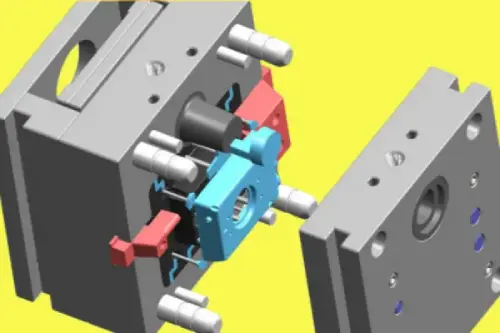
The more complex your part design, the more complex your mold must be. Elements like undercuts, threads, side actions, or multiple cavities all increase the complexity of the mold.
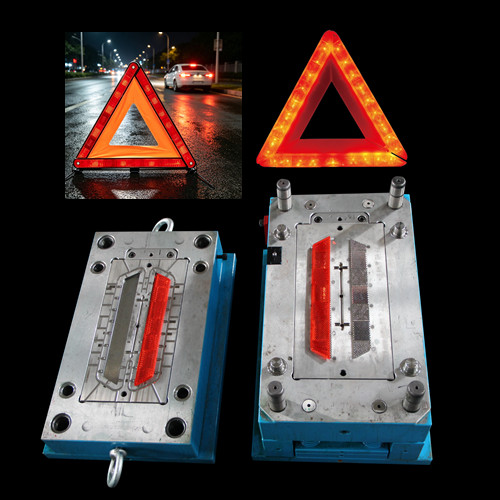
For example, a simple cap may need only a single cavity mold with no moving components, while a complex automotive light housing could require multiple cores, slides, and cooling channels. These extra features increase not only the time needed for design but also the cost of manufacturing.
Long-Tail Keyword Combination: "High Precision Injection Mold for Automotive Parts"
In the automotive industry, where part consistency is critical, companies often require high-precision injection molds for components like light housings, brackets, and interior trims. This level of detail further raises the cost due to the demand for high accuracy and durability over long production runs.
3. Tool Steel Material Cost and Heat Treatment
The Importance of High-Grade Steel
Injection molds are typically machined from hardened tool steel to ensure long service life. Common materials include P20, H13, and S7. These are not only expensive in raw form, but they also require heat treatment to improve hardness and wear resistance.
A high-quality mold capable of producing over 1 million shots will likely use hardened H13 steel—significantly increasing the base cost compared to aluminum molds or prototype tooling.
Aluminum Injection Molds vs. Steel Molds
While aluminium die casting mold is common for non-ferrous metal parts, aluminum can also be used for low-volume plastic injection molds. However, these are not suitable for high-volume production due to faster wear. Choosing steel over aluminum can double the mold cost, but ensures longer life and part consistency.
4. Mold Fabrication Time and Labor
Skilled Labor Hours
Injection mold fabrication is time-intensive and demands highly skilled labor. The entire process—from initial DFM (Design for Manufacturability) analysis to final mold testing—can take anywhere from 4 to 12 weeks, depending on complexity.
It's not uncommon for experienced die cast mold makers and injection mold experts to spend hundreds of hours machining, fitting, assembling, and testing each mold.
Mold Trials and Validation
Before a mold is ready for mass production, it goes through T0, T1, and T2 trial runs, with engineers adjusting gate sizes, runner systems, and cooling lines to achieve the desired part quality. This iterative process is crucial but adds more time and cost.
5. Multi-Cavity Tooling and Cost Optimization
The Role of Cavities in Cost Calculation
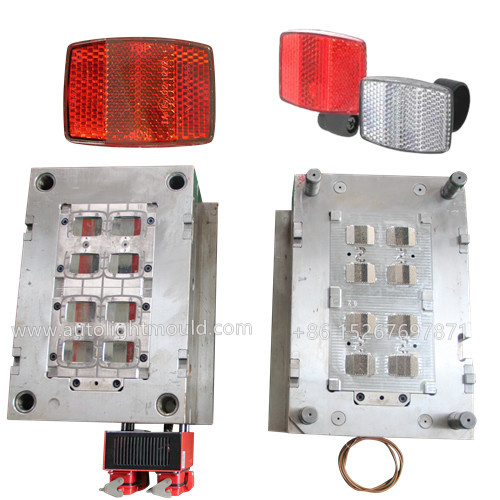
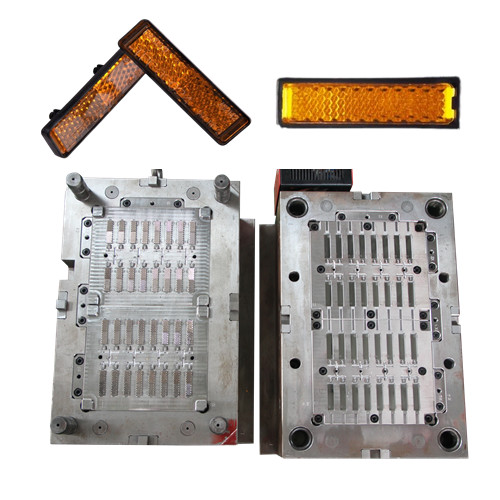
A mold can be built with one cavity or multiple cavities (e.g., 2-cavity, 4-cavity, 8-cavity). Multi-cavity molds increase production efficiency by producing more parts per cycle—but they also require more material, machining time, and precision alignment, which raises the upfront cost.
The initial investment is higher, but multi-cavity molds lower the per-part cost over time, which is essential for large-scale production.
6. Maintenance, Repairs, and Long-Term Durability
Tool Longevity and Servicing
A high-quality injection mold is an investment designed to last for years. However, during its service life, it may require periodic maintenance, cleaning, or even component replacement. Designing a mold for ease of maintenance often adds complexity during the initial design and build stages.
When compared with die casting molds, plastic injection molds may endure more cycles, but their wear patterns are different due to material flow characteristics and pressure levels.
7. Die Casting vs Injection Molding: Cost and Application Comparison
Material Differences
Die Casting Molds are used for shaping molten metals (like aluminum or zinc) into solid parts.
Injection Molds are used for shaping molten thermoplastics (like ABS, PP, or PC).
The die casting vs injection molding debate often comes down to material properties, surface finish, and mechanical strength. Metal parts from aluminium die casting molds tend to be stronger but heavier, whereas plastic injection molded parts are lighter and more suitable for complex geometries.
Cost Comparison
Die casting mold costs can be similar or even higher than injection molds when producing large metal components under high pressure.
The materials, thermal stress, and need for robust mold coatings in die casting often make them more expensive in maintenance, though they tend to wear out faster than steel injection molds due to molten metal erosion.
How Die Cast Mold Makers and Injection Mold Suppliers Set Pricing
Factors Die Cast Mold Makers Consider
If you approach die cast mold makers or injection mold suppliers for a quote, they typically assess the following:
Part geometry and tolerance requirements
Expected production volume
Number of cavities
Mold base material (aluminum vs steel)
Cooling and ejection design
Lifespan expectations (prototype vs high-volume production)
Understanding these variables helps explain why mold prices can range from a few thousand to several hundred thousand dollars.
Prototyping vs Production: Cost-Saving Tips
When to Use Rapid Tooling
If you're developing a new product and want to test the market before full-scale production, consider rapid tooling or prototype injection molds. These typically use aluminum and can be completed faster and at a lower cost—ideal for runs under 10,000 parts.
Shared Molds and Family Molds
Another cost-saving approach is using family molds, which can produce multiple parts in a single shot. However, this option is only viable when part sizes and material requirements are compatible.
While injection molds may appear expensive upfront, they offer significant long-term value in terms of part accuracy, consistency, and volume capability. When compared to die casting molds, they excel in producing complex, lightweight parts with tight tolerances—especially when aesthetics and surface finish are priorities.
Understanding the nuances between die casting vs injection molding is essential for making the right tooling decision based on your part requirements, material preferences, and budget. Whether you're producing plastic enclosures, automotive components, or industrial connectors, investing in a high-quality mold pays off through better performance, faster cycle times, and lower per-unit costs over time.
Common Related Questions
Q: Is injection molding cheaper than die casting?
A: For plastic parts, injection molding is often more cost-effective due to lower material costs and shorter cycle times. However, die casting is better for producing strong, heat-resistant metal parts.
Q: Can aluminium die casting mold be used for plastic parts?
A: Not directly. Aluminum die casting molds are designed for molten metals. For plastic parts, aluminum injection molds may be used for prototyping or low-volume runs.
Q: Why is injection molding good for high-volume production?
A: Once the mold is built, each part can be produced in seconds with minimal variation, making it ideal for mass production.
Younger Mould is recognized as one of the leading global die cast mold makers of aluminium die casting mold, renowned for our superior quality, innovative engineering, and trusted industry reputation. With a steadfast commitment to excellence, we have established enduring partnerships with clients worldwide. If you're in need of high quality die casting mold for motorcycle headlamp, we invite you to leave your contact information. Our dedicated team will offer you competitive pricing and tailored solutions to meet your unique requirements.
What Is the Purpose of Molding?
ls 3D Printing Better Than Injection Molding?
Related Article