Why Is Injection Molding So Expensive?
2025-03-31
Injection molding is a cornerstone of modern manufacturing, renowned for its precision and ability to produce complex parts at scale. From automotive components to everyday consumer goods, this process has revolutionized how we create durable, high-quality products. However, one question often arises: why is injection molding so expensive? The answer lies in a combination of factors—initial tooling costs, material selection, labor expertise, and the intricate processes involved in specialized applications like creating a bicycle reflex electroforming core mould.
The High Cost of Tooling: A Barrier to Entry
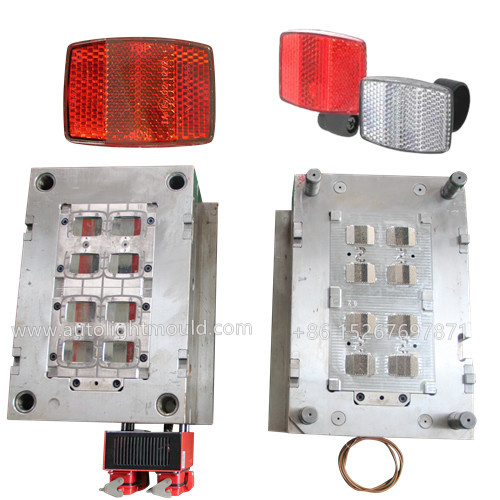
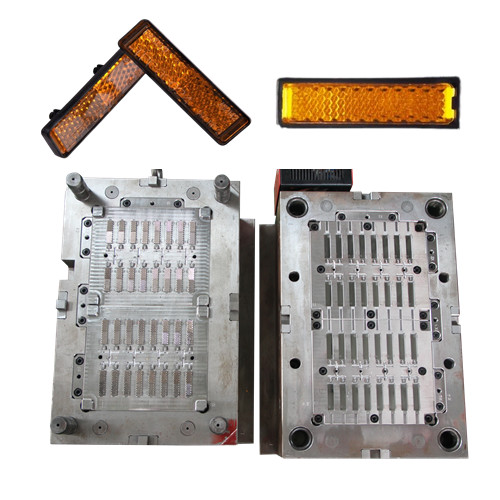
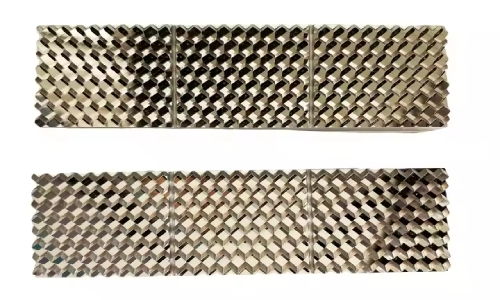
The most significant contributor to the expense of injection molding is the cost of tooling—the creation of the molds themselves. These molds, often made from high-grade steel or aluminum, must withstand extreme pressures and temperatures while maintaining precision down to the micrometer. For something as specialized as a reflex electroform mould insert, the complexity increases further. These inserts, used in reflective components like bicycle reflectors, require advanced techniques such as electroforming, where nickel is deposited onto a master pattern to form a durable, mirror-polished mold core.
Creating such a mold isn't a simple task. It begins with detailed design work, often using sophisticated CAD software to ensure every angle and surface meets exact specifications. For a bicycle reflex electroforming core mould, the mold must replicate intricate hexagonal pin structures that reflect light efficiently—an optical-grade requirement that demands exceptional accuracy. After design, the mold is machined using CNC equipment or electroformed over weeks, a process that can cost anywhere from $1,000 to over $100,000 depending on size, complexity, and material. Steel molds, favored for their longevity, are pricier than aluminum but necessary for high-volume production runs where durability is key.
This upfront investment is a major reason injection molding feels expensive, especially for small businesses or low volume projects. Unlike 3D printing, where prototypes can be made cheaply and quickly, injection molding requires a significant initial outlay before a single part is produced. However, this cost becomes more justifiable when spread across thousands or millions of units, highlighting why injection molding shines in mass production rather than one-off creations.
Material Costs and Quality Demands
Beyond tooling, the materials used in injection molding play a crucial role in driving up costs. The process accommodates a wide range of plastics, from commodity resins like polypropylene to engineering-grade materials like polycarbonate or PMMA (used in optical applications such as reflector reflex electroform mold core inserts). These high-performance materials are often chosen for their durability, clarity, or heat resistance, but they come with a premium price tag.
For example, producing a bicycle reflector requires materials that can achieve optical clarity and withstand outdoor conditions—UV exposure, temperature fluctuations, and physical impact. Polycarbonate, a common choice, costs significantly more than basic plastics due to its strength and transparency. Additionally, the reflex electroform mould insert process demands that the material flows perfectly into every crevice of the mold, necessitating precise temperature control and sometimes additives like colorants or stabilizers, further increasing expenses.
Waste also factors in. While injection molding is efficient, sprues, runners, and defective parts can add to material costs, especially in early production runs when fine tuning the process. For specialized components like reflector reflex electroform mold core inserts, where surface finish and reflectivity are non negotiable, any imperfection means scrapping the part, amplifying the cost of quality control. Manufacturers must balance material selection with performance requirements, and this often means opting for pricier options to meet stringent standards.
Expertise and Labor: The Human Element
Injection molding isn't just about machines—it's a craft that relies heavily on skilled labor. Designing and operating a mold for something as precise as a bicycle reflex electroforming core mould requires engineers and technicians with deep expertise in materials science, optics, and manufacturing processes. These professionals command higher wages, reflecting their specialized knowledge and the years of training needed to master the trade.
Take the creation of a reflex electroform mould insert as an example. The electroforming process involves depositing nickel onto a pin-bound master over weeks, a technique that demands meticulous control to achieve nanometer level precision. Polishing the mold's surface to a mirror finish—essential for reflectors—often requires hand-applied techniques, as automated systems can't always match the finesse needed. This labor-intensive step, combined with the need for constant monitoring during production, adds to the overall cost.
Moreover, setting up and running an injection molding machine isn't a plug and play affair. Operators must calibrate pressures, temperatures, and cycle times to avoid defects like warping or incomplete fills, particularly for complex parts like reflector reflex electroform mold core inserts. Trial runs and adjustments eat into time and resources, and any misstep can damage an expensive mold or waste costly materials. The human expertise required to navigate these challenges is a hidden but significant expense, ensuring that every part meets exacting standards.
Complexity and Customization: Specialized Applications
The cost of injection molding escalates further when dealing with highly specialized or custom applications. A bicycle reflex electroforming core mould exemplifies this complexity. Unlike a simple plastic cap or container, a reflector mold must incorporate optical features—such as bound hexagonal pins with mirror-polished heads—to achieve the retroreflective properties that make bicycles visible in low-light conditions. This isn't just molding; it's engineering a functional optical system.
The reflex electroform mould insert process adds another layer of intricacy. Electroforming, used to create the mold core, involves electrodeposition of nickel over a master pattern, a slow and precise method that can take 3-5 weeks to build a 10-12 mm thick insert. This technique ensures the mold can replicate fine details, but it's far more expensive than traditional machining. For reflector reflex electroform mold core inserts, the design must also include air vents to prevent trapped gases from causing defects during injection—a small but critical detail that increases both design time and manufacturing cost.
Customization compounds these expenses. If a client needs a unique reflector shape or size, the mold must be tailored from scratch, eliminating the cost saving potential of standardized tooling. Regulatory standards, such as ECE or SAE for vehicle reflectors, impose additional requirements, necessitating testing and certification that further inflate the price. While this complexity delivers unparalleled precision and performance, it underscores why injection molding for niche applications can seem prohibitively expensive.
Long Term Value vs. Short Term Cost
Despite its high upfront costs, injection molding offers unmatched value over time, particularly for high-volume production. The durability of a steel mold, like one used for reflector reflex electroform mold core inserts, allows it to produce millions of parts with minimal wear, drastically reducing the per-unit cost as production scales. For a bicycle reflex electroforming core mould, the initial $10,000-$50,000 investment might seem steep, but when amortized over 500,000 reflectors, the cost drops to pennies per piece—a fraction of what alternative methods like machining or 3D printing might charge for similar quality.
Additionally, injection molding excels in consistency and speed. Once the process is optimized, parts can be churned out in seconds, with each one identical to the last. This reliability is critical for safety components like reflectors, where uniformity ensures compliance with standards. Compared to other manufacturing methods, injection molding's ability to combine precision, scale, and efficiency makes it a cost effective choice in the long run, even if the entry price feels daunting.
The expense also reflects the quality delivered. A reflex electroform mould insert isn't just a tool—it's a guarantee of performance, enabling reflectors that enhance safety on the road. Manufacturers invest in this process because the end product justifies the cost, offering durability and functionality that cheaper alternatives can't match. The question isn't just ‘Why is it expensive?’ but ‘What does that expense buy?’—and the answer is reliability, precision, and scale.
The Price of Precision
Injection molding's expense stems from a confluence of factors: the hefty price of tooling, the cost of premium materials, the need for skilled labor, and the complexity of specialized applications like bicycle reflex electroforming core moulds. Each element contributes to a process that, while costly upfront, delivers exceptional value for large-scale production. The reflex electroform mould insert and reflector reflex electroform mold core inserts exemplify this, showcasing how intricate engineering and meticulous craftsmanship drive costs but also ensure top tier results.
For businesses or individuals considering injection molding, the key is perspective. It's not a budget-friendly option for prototypes or small runs—methods like 3D printing might better suit those needs. But for mass production of high quality, precise components, the investment pays off over time. Understanding these cost drivers reveals not just why injection molding is expensive, but why it's worth it for applications where excellence is non-negotiable.
Younger Mould is a leading bicycle reflex electroforming core mould manufacturer in China, widely recognized for its excellence and trusted reputation in the industry. With a strong commitment to quality and innovation, we have earned the trust and appreciation of numerous customers. If you are interested in our reflex electroform mould insert, please leave your contact information. Our team will provide you with competitive quotes and outstanding reflector reflex electroform mold core inserts service tailored to your requirements.
Is 3D Printing Better Than Injection Molding?
What is Bad About Injection Moulding?
Related Article

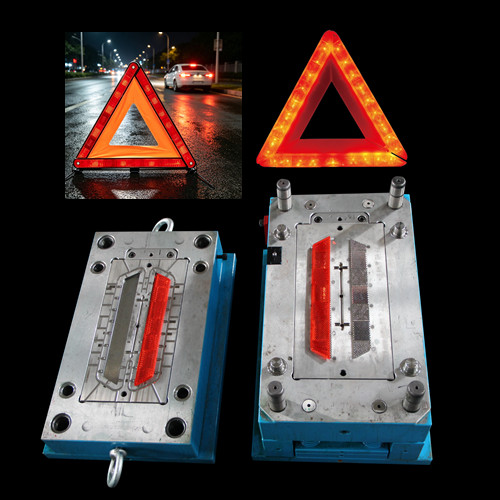
We are a professional mold manufacturer in Huangyan, China, specializing in high-precision injection molds for parking reflex reflectors and warning triangles. Our molds are made with durable steel for long service life, supporting custom designs and stable mass production to meet your automotive accessory manufacturing needs.
Parking reflex refletcor warning triangle mould