Why The Requirements For Appearance Of Car Light Mould Is High
2024-07-31
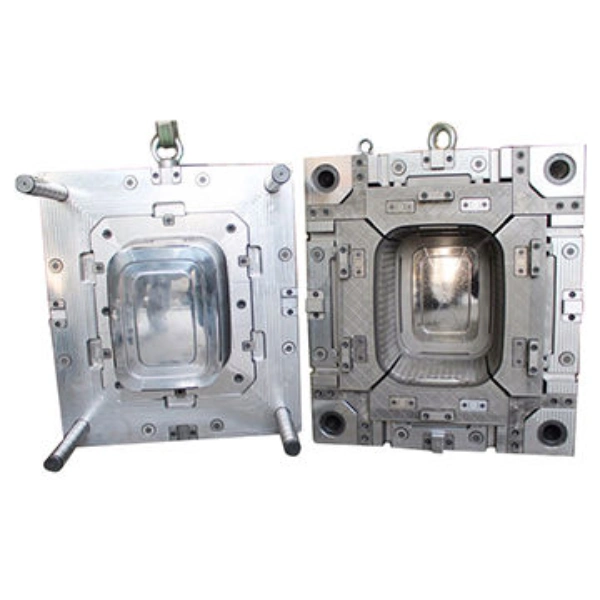
In the automotive industry, the moulds used for manufacturing car lights—such as headlights, taillights, and turn signals—must meet exceptionally high standards of appearance and quality. The importance of these requirements goes beyond mere aesthetics; it involves functionality, safety, and brand perception. This article explores the reasons why the appearance requirements for car light moulds are so stringent and the factors contributing to these high standards.
1. Impact on Vehicle Aesthetics
1.1. Design Integration
Car lights are integral to the overall design and aesthetics of a vehicle. Modern cars feature intricate light designs that are not only functional but also contribute significantly to the vehicle's visual appeal. The moulds used to produce these lights must accurately reflect the design specifications to ensure that the final product aligns with the vehicle’s design language. Any imperfections or deviations in the mould can lead to mismatched components, disrupting the vehicle’s sleek appearance and reducing its visual appeal.
1.2. Consistency and Quality
High standards for the appearance of car light moulds ensure that every light produced has a consistent and high quality finish. Consistency in appearance is crucial for mass produced vehicles, where each light must match the others precisely to maintain uniformity across all units. High quality moulds contribute to the overall aesthetic quality of the vehicle, enhancing its marketability and consumer appeal.
2. Functional Requirements
2.1. Light Transmission and Clarity
The primary function of car lights is to provide illumination. The moulds used to produce these lights must ensure that the lenses have the required clarity and light transmission properties. Imperfections in the mould can lead to optical distortions, reducing the effectiveness of the light and impairing visibility. High appearance standards ensure that the moulds produce lenses with uniform clarity and optical performance, which is critical for safe driving.
2.2. Aerodynamics and Fitment
Car lights often need to integrate seamlessly with the vehicle’s aerodynamic design. Moulds must produce components that fit precisely within the designated areas of the vehicle, without gaps or misalignments. High appearance standards help achieve this precision, ensuring that lights contribute to the vehicle’s aerodynamic efficiency and overall performance.
3. Safety Considerations
3.1. Compliance with Standards
Automotive lighting must comply with stringent safety regulations and standards. Any defects or inconsistencies in the appearance of the mould can affect the light’s performance and safety features. For instance, improperly formed light lenses may cause glare or uneven lighting, which can impair the driver’s vision and increase the risk of accidents. High appearance requirements help ensure that the moulds produce components that meet or exceed safety standards.
3.2. Durability and Longevity
Car lights are exposed to various environmental conditions, including UV rays, temperature fluctuations, and road debris. The moulds must produce components that are durable and resistant to these elements. High standards for appearance ensure that the moulds produce lights with robust physical properties and a high quality finish that can withstand wear and tear over time, ensuring long term safety and performance.
4. Manufacturing Precision and Efficiency
4.1. High Resolution Detailing
Car light designs often include fine details and intricate patterns that require high resolution moulding. The appearance of the mould directly impacts the precision and quality of these details. Moulds with high appearance standards are capable of capturing complex design features with accuracy, ensuring that the final products meet design specifications and consumer expectations.
4.2. Minimizing Waste and Rework
High standards for mould appearance contribute to efficient manufacturing processes by minimizing defects and the need for rework. Well made moulds reduce the likelihood of producing defective lights that require scrapping or reprocessing, leading to cost savings and improved production efficiency. This also helps in meeting production deadlines and maintaining a steady supply of high quality components.
5. Brand Image and Consumer Perception
5.1. Reflecting Brand Values
The appearance of car lights reflects the brand’s commitment to quality and innovation. High standards for mould appearance ensure that the lights produced are in line with the brand’s image and reputation. Consistently high quality components contribute to a positive brand perception and enhance consumer trust in the vehicle’s overall quality.
5.2. Enhancing Customer Satisfaction
Consumers expect vehicles to be both functional and aesthetically pleasing. High quality car lights with well crafted moulds contribute to customer satisfaction by meeting or exceeding visual and performance expectations. Satisfied customers are more likely to have a positive perception of the vehicle and the brand, leading to increased customer loyalty and positive reviews.
6. Technological Advancements
6.1. Integration of Advanced Features
Modern car lights often incorporate advanced features such as LED technology, adaptive lighting systems, and dynamic turn signals. The moulds must be capable of producing components that accommodate these technologies with precision and clarity. High appearance standards ensure that the moulds can handle the complexity of these advanced features while maintaining the necessary aesthetic quality.
6.2. Adoption of New Materials
The use of new materials and finishes, such as polycarbonate lenses with enhanced scratch resistance or reflective coatings, requires high standards in mould design and production. The appearance of the mould must be optimized to work with these materials, ensuring that the final components meet both functional and aesthetic requirements.
Conclusion
The requirements for the appearance of car light moulds are high due to their significant impact on vehicle aesthetics, functionality, safety, and brand perception. Achieving these high standards involves meticulous attention to design, precision in manufacturing, and adherence to safety regulations. By meeting these stringent requirements, manufacturers ensure that car lights not only enhance the vehicle’s appearance but also contribute to its overall performance, safety, and consumer satisfaction. In a competitive automotive market, maintaining high standards in car light moulding is essential for delivering quality products that meet the expectations of both manufacturers and consumers.
Younger Mould is one of the most popular headlight mould manufacturers in China, who has earned a good reputation and position in the industry, gaining the trust and praise of numerous customers. If you are interested in our optical mould products, please leave your contact information, and we will provide you with favorable quotations and meticulous headlamp mould services.
What Is The Molding Process In Automotive?
What are the Materials Used in Injection Plastic Moulds?
Related Article

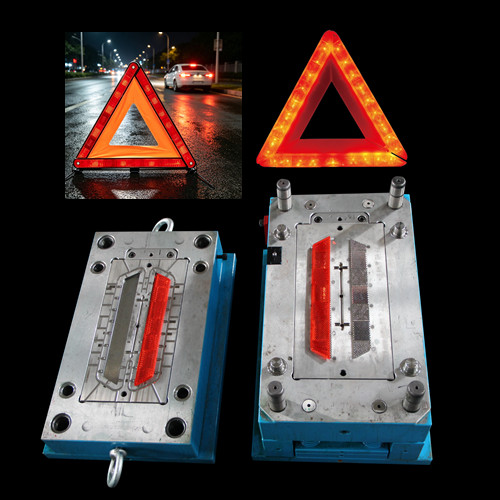
We are a professional mold manufacturer in Huangyan, China, specializing in high-precision injection molds for parking reflex reflectors and warning triangles. Our molds are made with durable steel for long service life, supporting custom designs and stable mass production to meet your automotive accessory manufacturing needs.
Parking reflex refletcor warning triangle mould