


Plastic Thick wall optical lens Mould
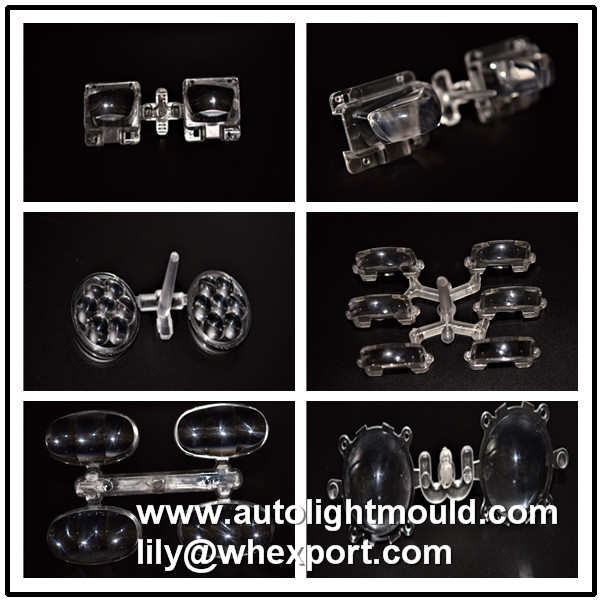
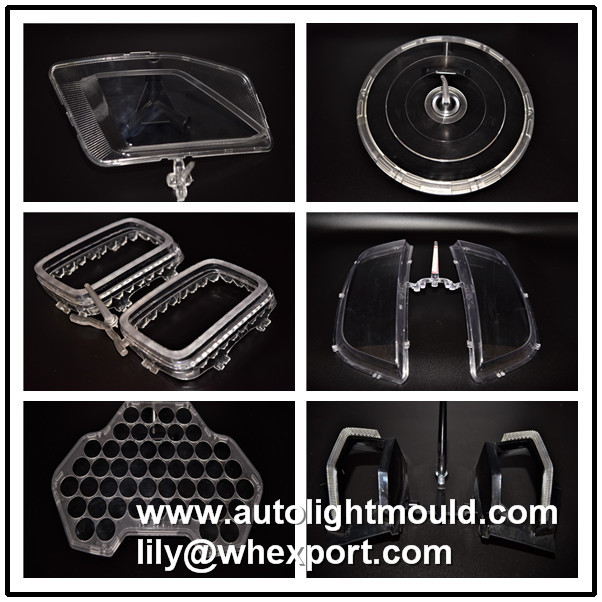
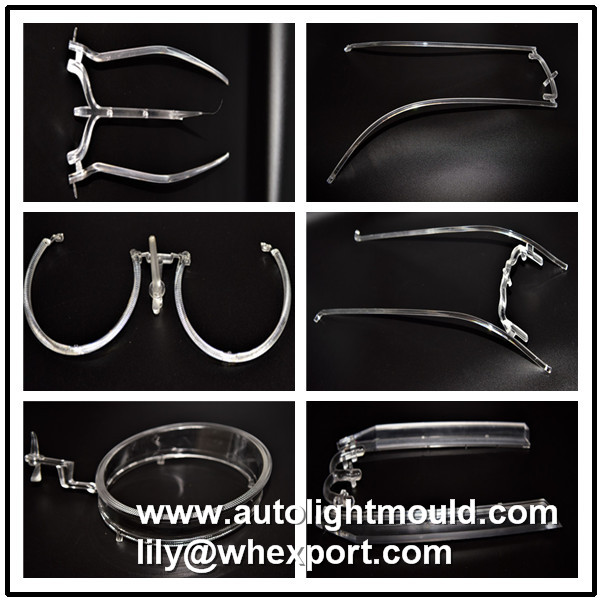
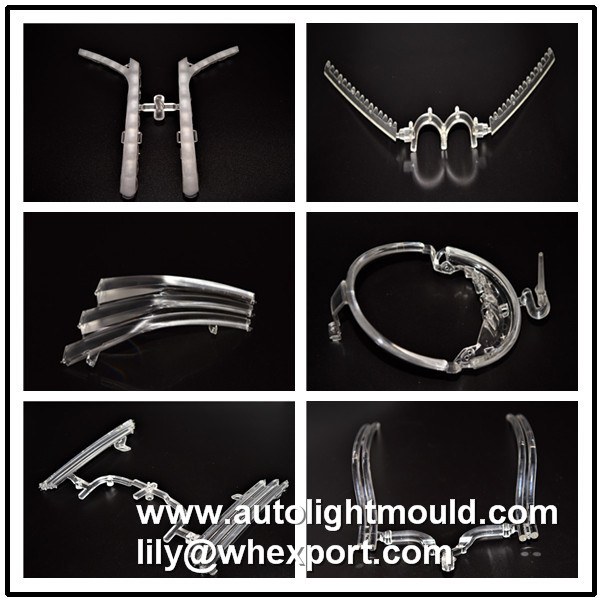
Injection molding method of plastic thick-wall optical lens mold
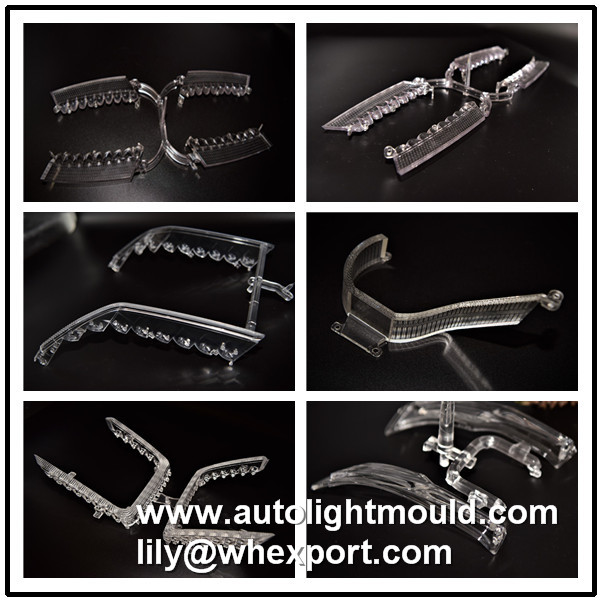
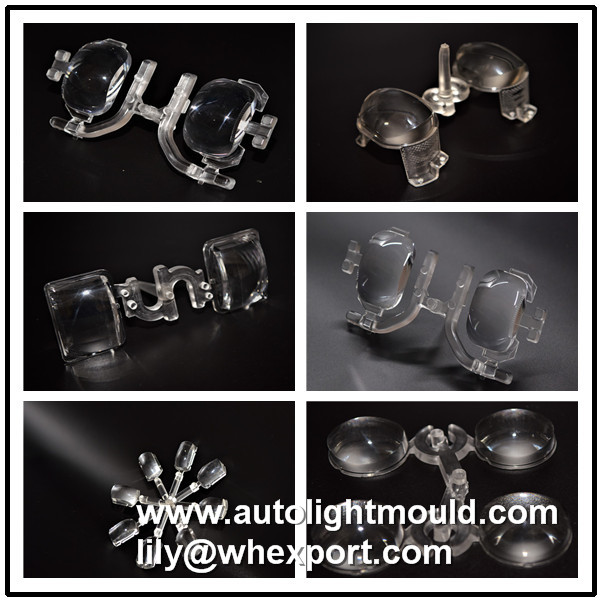
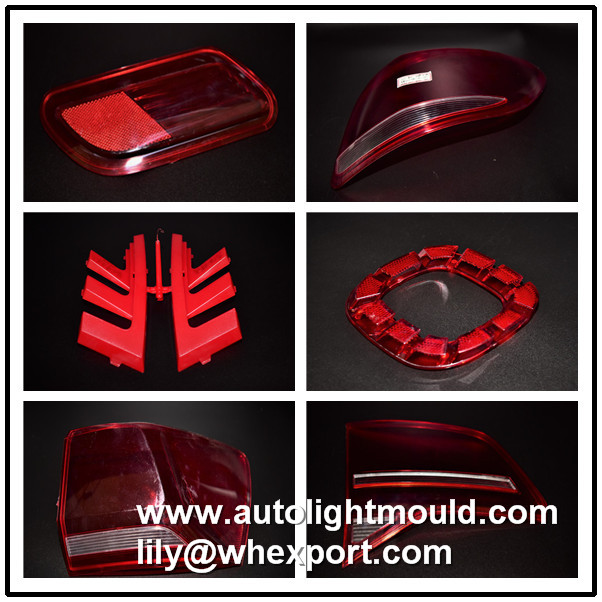
YOUNGER MOULD FACTORY focuses on the manufacture of injection molds for automotive plastic thick-wall optical lenses,
Specializing in LED car lamp mold design, optical product mold design, automobile optical plastic thick-wall lens mold, light guide injection mold, automobile lamp plastic lens thick-wall mold and other injection mold manufacturing.
The injection molding method and technology of plastic thick-wall optical lens mold is to divide the thick-wall lens into an upper surface layer, a lower layer and a core part according to its thickness direction, and divide the core part into multiple layers surrounding from the outside to the inside, according to the core part From the inner to the outer layer to the upper surface layer and the lower layer, the injection molding is divided into multiple layers. Each layer of the core from the inside to the outside is equipped with an independent cooling station. The injection molding of the core It is achieved by first injecting the inner layer and then injecting the outer layer surrounding the inner layer. The inner layer and the outer layer are injected in the first injection station and the second injection station respectively, and the lower and upper surface layers are respectively in the third injection station and The fourth injection station is completed. Between the first injection station and the second injection station is a first cooling station, and between the second injection station and the third injection station is a second cooling station. The optical lens mold made by YOUNER MOULD FACTORY has a short injection cycle and good injection quality. It is especially suitable for the lens of 25 32mm thick car lamp lighting unit.
Injection technology of plastic thick-wall optical lens mold:
YOUNGER MOULD FACTORY focuses on the manufacture of automotive plastic thick-wall optical lens injection molds, manufacturing optically designed shock-resistant and heat-resistant plastic lens injection molds instead of glass injection lens molds. The thickness of the lens is about 21~45mm, and the injection molding materials are general. It is injection molded from PMMA, PC and other plastic materials.
Optical lenses have extremely high requirements for weight, appearance, and surface shape, and need to meet the requirements of light distribution. This kind of thick-walled transparent product injection molding is different from general injection molding, and its technical difficulty is very difficult.
There are currently two ways to inject optical lens injection molds:
Optical lens injection molding also has the disadvantages of the following technologies, and the reasons for these problems have been clear:
1. The thickness of the lens is large, the shrinkage is very serious after molding, and the optical surface is often deformed, and the dents, shrinkage pits, and surface shape positions cannot meet the product requirements; in order to reduce these defects, the holding pressure and cooling time can only be greatly increased to maximize It takes about 12 to 18 minutes to form a lens in a single-cavity mold, and only 4 pieces per hour are produced. This leads to a long molding cycle; however, the design and injection process of the injection molding thick-wall lens is very difficult, and the multi-cavity mold It is impossible to balance the mold flow of each cavity to ensure the consistency of the product. Generally, there are only one or two cavities in an injection mold. With such low productivity and extremely low yield, the cost of producing a qualified lens is very high, and it is not cost-effective for mass production.
2. Reduce the molding cycle, reduce product molding defects, and improve product yield. Multi-layer injection molding is used, that is, a thick lens is injected in multiple layers to reduce the cooling and holding time, thereby avoiding one injection The shortcomings of a long molding cycle, and avoid the defects of too large thickness that cause large shrinkage and large product deformation, which greatly improves the yield and productivity compared with one injection.
3. Adopt a layer-by-layer full-enclosure method, that is, in the order of I→II→III, first form the innermost core layer I, then surround the molding layer II, and finally surround the I and II layers with the III layer to form the final product. Because layer I is placed in the mold of layer II and layer II is placed in the mold of layer III, the positioning structure is limited and difficult to locate. The flow path of the high temperature and high pressure molten plastic from the injection nozzle of the injection molding machine is complicated. If the enclosed part is offset, or the positioning structure is broken, or even the enclosed part will be squeezed into the outer cavity of the mold, and the surface of the product has multiple streams of bonding lines, which cannot meet the product requirements.
4. Adopt a layer-by-layer stacking method, generally using the order of Ⅰ→Ⅱ→Ⅲ or Ⅱ→Ⅰ→Ⅲ. Although this method has the disadvantages of 2, the mold structure is complicated, and the mold cost is large, which is more serious. It is that the fusion effect of the interface between each layer is unstable during molding, and subtle delamination phenomena often appear between each layer, which causes the light to be unable to pass through.
5. Layered injection molding needs to be equipped with expensive special injection molding machines, various special equipment and strict production environment. The equipment investment cost is very high, and the cost is high. Even if there are few layers, the corresponding mold is relatively large and the mold structure is complicated. The tier scheme currently does not exceed three tiers at most. In the absence of new technologies, this method is still a last resort technology. The product molding defects are still large, the yield rate is very low, the cost is large, and the productivity is not high, which restricts the increase in production capacity and cannot meet the requirements. The mass production requirements of LED car lights severely restrict the application of LED headlights.
Plastik kalın duvarlı optik lens kalıbının enjeksiyon kalıplama yöntemi
GENÇ KALIP FABRİKASI, otomotiv plastik kalın duvarlı optik lensler için enjeksiyon kalıplarının imalatına odaklanmaktadır.
LED araba lambası kalıp tasarımı, optik ürün kalıp tasarımı, otomobil optik plastik kalın duvarlı lens kalıbı, ışık kılavuzu enjeksiyon kalıbı, otomobil lambası plastik lens kalın duvar kalıbı ve diğer enjeksiyon kalıp imalatında uzmanlaşmıştır.
Plastik kalın duvarlı optik lens kalıbının enjeksiyonla kalıplama yöntemi ve teknolojisi, kalın duvarlı lensi kalınlık yönüne göre bir üst yüzey katmanına, bir alt katmana ve bir göbek parçasına bölmek ve çekirdek parçayı çekirdek kısmına göre dıştan içe çevreleyen çok sayıda katmana bölmektir. İçten dış tabakaya ve üst yüzey tabakasına ve alt tabakaya kadar, enjeksiyon kalıplama birden çok tabakaya bölünmüştür.İçten dışa her bir çekirdek tabakası bağımsız bir soğutma istasyonu ile donatılmıştır. Önce iç tabakanın enjekte edilmesi ve ardından iç tabakayı çevreleyen dış tabakanın enjekte edilmesiyle elde edilir.İç tabaka ve dış tabaka sırasıyla birinci enjeksiyon istasyonunda ve ikinci enjeksiyon istasyonunda enjekte edilir ve alt ve üst yüzey tabakaları sırasıyla üçüncü enjeksiyon istasyonunda ve Dördüncü enjeksiyon istasyonu tamamlanmıştır Birinci enjeksiyon istasyonu ile ikinci enjeksiyon istasyonu arasında bir birinci soğutma istasyonu ve ikinci enjeksiyon istasyonu ile üçüncü enjeksiyon istasyonu arasında bir ikinci soğutma istasyonu bulunmaktadır. YOUNER KALIP FABRİKASI tarafından yapılan optik lens kalıbı kısa bir enjeksiyon döngüsüne ve iyi bir enjeksiyon kalitesine sahiptir.Özellikle 25 32mm kalınlığında araba lambası aydınlatma ünitesinin lensleri için uygundur.
Plastik kalın duvarlı optik lens kalıbının enjeksiyon teknolojisi:
GENÇ KALIP FABRİKASI, cam enjeksiyon lens kalıpları yerine optik olarak tasarlanmış darbeye dayanıklı ve ısıya dayanıklı plastik lens enjeksiyon kalıpları üreten otomotiv plastik kalın duvarlı optik lens enjeksiyon kalıplarının imalatına odaklanmaktadır.Lensin kalınlığı yaklaşık 21 ~ 45 mm'dir ve enjeksiyon kalıplama malzemeleri geneldir. PMMA, PC ve diğer plastik malzemelerden enjeksiyonla kalıplanmıştır.
Optik lenslerin ağırlık, görünüm ve yüzey şekli için son derece yüksek gereksinimleri vardır ve ışık dağılımı gereksinimlerini karşılamaları gerekir.Bu tür kalın duvarlı şeffaf ürün enjeksiyon kalıplama, genel enjeksiyon kalıplamadan farklıdır ve teknik zorluğu çok zordur.
Optik lens enjeksiyon kalıplarını enjekte etmenin şu anda iki yolu vardır:
Optik lens enjeksiyonlu kalıplama ayrıca aşağıdaki teknolojilerin dezavantajlarına sahiptir ve bu sorunların nedenleri netleşmiştir:
1. Lensin kalınlığı büyüktür ve kalıplamadan sonra büzülme çok ciddidir ve optik yüzey genellikle deforme olur ve çukurlar, büzülme çukurları ve yüzey şekli pozisyonları ürün gereksinimlerini karşılayamaz; Bu kusurları azaltmak için, tutma basıncı ve soğutma süresi yalnızca maksimize etmek için büyük ölçüde artırılabilir Tek boşluklu bir kalıpta bir lens oluşturmak yaklaşık 12 ila 18 dakika sürer ve saatte sadece 4 parça üretilir.Bu, uzun bir kalıplama döngüsüne yol açar; ancak, enjeksiyonla kalıplama kalın duvarlı lensin tasarımı ve enjeksiyon işlemi çok zordur ve çok boşluklu kalıp Ürünün kıvamını sağlamak için her boşluğun kalıp akışını dengelemek imkansızdır.Genel olarak bir enjeksiyon kalıbında sadece bir veya iki boşluk vardır. Bu kadar düşük üretkenlik ve son derece düşük verimle, nitelikli bir lens üretmenin maliyeti çok yüksektir ve seri üretim için uygun maliyetli değildir.
2. Kalıplama döngüsünü azaltın, ürün kalıplama kusurlarını azaltın ve ürün verimini artırın Çok katmanlı enjeksiyon kalıplama kullanılır, yani soğutma ve bekletme süresini kısaltmak için birden çok katmana kalın bir lens enjekte edilir ve böylece bir enjeksiyondan kaçınılır Uzun bir kalıplama döngüsünün eksiklikleri ve tek enjeksiyona kıyasla verimi ve üretkenliği büyük ölçüde artıran, ürünün büyük büzülmesine ve deformasyonuna neden olan çok büyük kalınlık kusurlarından kaçının.
3. Katman katman tam çevreleme yöntemini benimseyin, yani I → II → III sırasına göre, önce en içteki çekirdek katman I'i oluşturun, ardından kalıplama katmanını çevreleyin ve son olarak son ürünü oluşturmak için I ve II katmanlarını III katmanla çevreleyin. Katman I, katman II kalıbına yerleştirildiği ve katman II, katman III'ün kalıbına yerleştirildiği için, konumlandırma yapısı sınırlıdır ve yerleştirilmesi zordur Enjeksiyon kalıplama makinesinin enjeksiyon memesinden yüksek sıcaklık ve yüksek basınçlı erimiş plastiğin akış yolu karmaşıktır. Kapalı kısım kaydırılırsa veya konumlandırma yapısı kırılırsa veya kapalı kısım bile kalıbın dış boşluğuna sıkıştırılırsa ve ürünün yüzeyinde, ürün gereksinimlerini karşılayamayan birden fazla bağlama hattı akışı bulunur.
4. Genellikle Ⅰ → Ⅱ → Ⅲ veya Ⅱ → Ⅰ → Ⅲ sırasını kullanarak, katman katman istifleme yöntemini benimseyin. Bu yöntemin dezavantajları 2 olmasına rağmen, kalıp yapısı karmaşıktır ve kalıp maliyeti büyüktür, bu da daha ciddidir. Her katman arasındaki arayüzün füzyon etkisinin kalıplama sırasında kararsız olması ve her katman arasında genellikle ışığın geçememesine neden olan ince delaminasyon olaylarının ortaya çıkmasıdır.
5. Katmanlı enjeksiyon kalıplama, pahalı özel enjeksiyon kalıplama makineleri, çeşitli özel ekipman ve sıkı üretim ortamları ile donatılmalıdır.Teçhizat yatırım maliyeti çok yüksektir ve maliyet yüksektir.Küçük katman olsa bile, ilgili kalıp nispeten büyüktür ve kalıp yapısı karmaşıktır. Katman şeması şu anda en fazla üç katmanı geçmemektedir. Yeni teknolojilerin yokluğunda, bu yöntem hala son başvurulan bir teknolojidir.Ürün kalıplama hataları hala büyük, verim oranı çok düşük, maliyet büyük ve üretkenlik yüksek değil, bu da üretim kapasitesindeki artışı kısıtlıyor ve gereksinimleri karşılayamıyor. LED araba ışıklarının seri üretim gereksinimleri, LED farların uygulanmasını ciddi şekilde kısıtlamaktadır.


+86 15267697871

younger8@autolightmould.com
